
Pruning
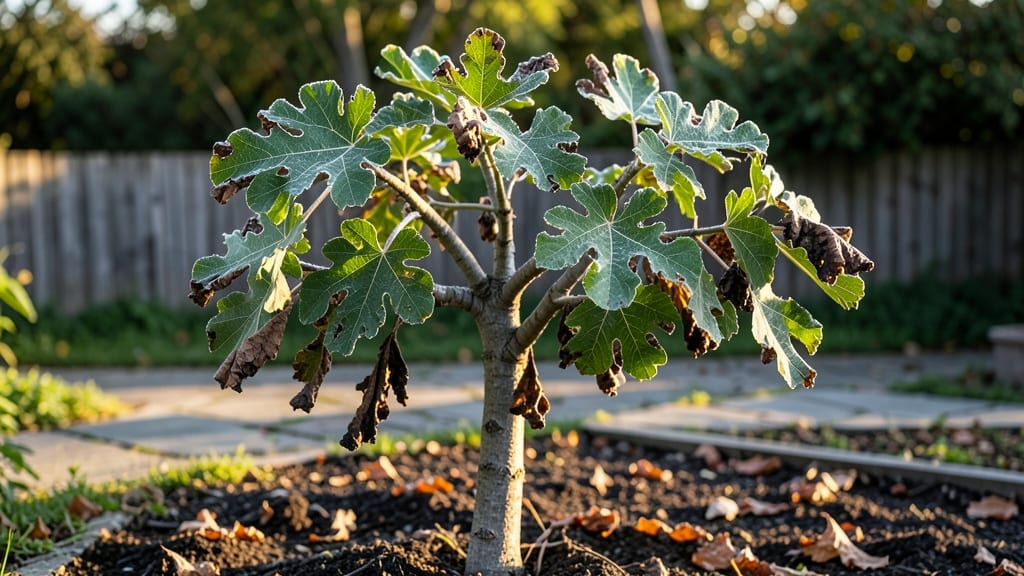
Your fig tree’s frost-bitten branches might look hopeless, but with the right steps, they’ll bounce back stronger than ever. 🌱 I’ve nursed back frost-damaged figs myself—blackened leaves, brittle stems, even broken canes—and learned exactly how to coax them back to life.
The key is acting fast, pruning strategically, and giving the tree the support it needs to recover.
First, wait until after the last frost before pruning—this gives you time to assess the damage while preventing further harm. Look for branches with blackened leaves, mushy stems, or cracks in the bark; these are the ones to remove.
Use clean, sharp pruners to cut just above a healthy bud or outward-facing branch, and don’t worry about making the tree look perfect—focus on removing only the dead or dying wood.
Once you’ve pruned, the real work begins: protecting what’s left. Fig trees are tough, but they need help in cold climates. Wrap the trunk in burlap or tree guard to shield it from wind, and mulch heavily around the base to insulate the roots.
With proper care, you’ll see new shoots within 4-6 weeks, and by next season, your tree could be more productive than ever.
For long-term resilience, consider planting frost-hardy fig varieties like ‘Celeste’ or ‘Chicago Hardy,’ and give your tree a south-facing spot where it gets maximum sunlight. A little extra attention now means years of sweet, sun-ripened figs—no frost damage required.
Cold Weather’s Hidden Attack
Frost damage to fig trees isn’t just about a chilly night—it’s a complex interplay of biology, weather, and plant resilience. Understanding why it happens is the first step to protecting your tree (and reviving it if the worst occurs).
Here’s the science behind the freeze, broken down into clear causes and actionable insights.
Fig trees, especially tropical or Mediterranean varieties, are not frost-hardy by nature. When temperatures plummet rapidly—especially below 28°F (-2°C)—their cells struggle to adapt. Here’s what goes wrong:
- Cell Membrane Rupture: Inside plant cells, water expands when it freezes, tearing delicate membranes. In figs, this disrupts nutrient transport, causing browning or blackened leaves.
- Protein Denaturation: Cold disrupts enzymes (like those in fig fruit or new growth), halting photosynthesis and respiration. Think of it like a car engine seizing—suddenly, the tree can’t "run" properly.
- Bud Damage: Fig trees rely on dormant buds for spring growth. A hard freeze can kill these buds outright, leaving branches bare even if the trunk survives.
💡 Pro Tip: Mature fig trees (especially Ficus carica) can tolerate 20–25°F (-6 to -4°C) if acclimated, but sudden drops are far deadlier than steady cold. Monitor forecasts and protect young trees first.
Fig trees can develop some cold tolerance—but only if they’ve been gradually hardened off. When warm fall weather lulls them into false dormancy, a late frost hits like a ambush. Key triggers:
- Delayed Dormancy: Figs in warm climates (Zones 8–11) may not enter deep dormancy until temperatures stay below 50°F (10°C) for weeks. If frost strikes before this, their defenses are offline.
- Overwatering Before Cold Snaps: Wet soil insulates roots, keeping them warmer than they should be—a signal to the tree that winter isn’t coming. Suddenly cold air + warm roots = shock.
- Young or Transplanted Trees: Figs under stress (recently moved, newly planted) prioritize root growth over cold resistance. Their bark and buds are softer targets.
🌡️ Actionable Fix: In fall, reduce watering 4–6 weeks before first frost and apply a 2–3 inch mulch layer (straw or wood chips) to help roots acclimate. Avoid fertilizing late in the season—it encourages tender new growth.
A fig tree already struggling from disease, pests, or nutrient deficiencies is like a soldier with a broken shield—vulnerable to frost’s full force. Weakness compounds damage in these ways:
| Weakness | Frost Impact | Signs to Watch For |
|---|---|---|
| Root Rot or Compacted Soil | Poor nutrient uptake → thinner bark = easier freeze penetration. | Wilting even after watering, yellowing leaves, mushrooms at base. |
| Pest Damage (e.g., scale, spider mites) | Sap-sucking pests weaken vascular system, making frost recovery harder. | Sticky residue on leaves, white cottony spots, or webbing. |
| Nitrogen Deficiency | Reduced protein synthesis → cells freeze more easily. | Pale yellow leaves (chlorosis), stunted growth. |
✨ Prevention: Conduct a fall soil test and amend with compost or balanced fertilizer (10-10-10) in early autumn. Prune out pest-infested branches before winter to reduce stress.
Not all frost is equal—radiation frost (clear nights) and advection frost (wind-driven cold) affect fig trees differently. Even in "safe" zones, these microclimates can turn deadly:
- Low-Lying Areas: Cold air sinks, pooling in valleys or near north-facing walls. Figs here may suffer 3–5°F colder temps than higher ground.
- Urban Heat Islands (Ironically!): Pavement and buildings radiate heat by day but release it as cold at night, creating frost pockets near your tree.
- Wind Exposure: Wind speeds up heat loss from leaves and bark. A fig in an open yard can lose 10°F faster than one sheltered by a fence.
🎯 Solution: Plant figs near south-facing walls or use windbreaks (bamboo screens, evergreen hedges). Avoid planting in basins or dips in your yard.
Reviving Your Fig Tree After Frost
Frost damage can leave your fig tree looking sad and struggling, but with the right care, it can bounce back stronger than ever. The key is acting quickly and addressing the root causes—whether it’s water stress, poor insulation, or delayed pruning.
Below, we’ve mapped out practical solutions tailored to the most common frost-related issues, plus prevention tips to keep your tree resilient for next winter.
Before jumping into fixes, take a close look at your fig tree to determine the severity of the frost damage. Here’s how to diagnose it:
- 🍃 Leaves: Crispy, brown, or blackened leaves are a clear sign of frost burn. If they’re still attached but brittle, they’ll need removal. - 🌿 Branches: Check for woody stems that feel mushy or ooze sap when cut—this indicates internal damage.
Healthy wood should be firm. - 🍇 Fruit: Frost can kill figs still on the tree. Remove any damaged fruit to redirect the tree’s energy to recovery. - 🌡️ Root Check (Advanced): Gently dig around the base (if possible) to see if roots are blackened or soft.
Healthy roots should be firm and white or light tan.
> 💡 Pro Tip: If more than 50% of the canopy is damaged, your tree may need aggressive pruning to survive. Don’t panic—figs are tough!
Pruning is the most critical step in reviving a frost-bitten fig tree. Do it right to avoid stressing the plant further.
🔥 How to Prune Frost-Damaged Figs 1. 🍳 Use Sterilized Tools
- Clean pruning shears with rubbing alcohol or a 10% bleach solution to prevent disease spread. 2. 👨🍳 Cut Back Dead Wood
- Remove any branches that are brown, mushy, or oozing sap.
Cut back to the first healthy bud or branch collar. - If a branch is completely dead, cut it off at the base.
- 🥘 Thin Out the Canopy - Frost weakens the tree, so reduce leaf density to improve airflow and sunlight penetration. - Aim to open up the center of the tree by removing crossing or overcrowded branches.
- ⏰ Time It Right - Best time to prune: Late winter or early spring (just as new growth begins). - Avoid pruning in fall—it can stimulate new growth that won’t harden off before frost.
> ✨ Expert Tip: If your fig is a standard (not dwarf) variety, you can also head back (shorten) the main trunk by 1/3 to encourage a bushier, more resilient shape.
Frost-stressed trees often suffer from root dehydration or compaction. Revive them with these steps:
🌡️ Watering for Recovery
- 📊 Deep Watering Schedule:
- Water deeply 2–3 times per week (not daily shallow watering).
- Aim for 1–1.5 inches of water per session (check with a rain gauge or tuna can).
- 💦 Mulch Like a Pro:
- Apply 3–4 inches of organic mulch (straw, wood chips, or shredded leaves) around the base.
- Keep mulch 6 inches away from the trunk to prevent rot.
- Mulch retains moisture and insulates roots from temperature swings.
> 🔥 Warning: Avoid overwatering—soggy soil can lead to root rot, which is just as deadly as frost.
🌿 Root Protection for Next Winter
- 🏗️ Build a Root Barrier:
- In Zone 7 and colder, mound soil or mulch around the base to create a 6-inch-high berm to trap heat.
- 🛡️ Use Frost Cloth or Burlap:
- Wrap the trunk and lower branches in breathable frost fabric on cold nights (below 28°F).
- Secure it loosely—figs need airflow!
A frost-weaked fig tree needs extra nutrients to recover. But timing and type matter!
📊 Fertilizing for Revival
| When | What to Use | How to Apply |
|---|---|---|
| Early Spring (just after pruning) | Balanced 10-10-10 or 5-5-5 | Sprinkle ½ cup per year of tree age around the drip line. Water deeply. |
| Mid-Spring (when new leaves emerge) | High-Potassium (5-10-10) | Encourages root and fruit recovery. Follow package rates. |
| Avoid Fall Fertilizing | – | Too late—new growth won’t harden before winter. |
> 💡 Pro Tip: If your soil is sandy or poor, mix in compost before fertilizing for better nutrient absorption.
An ounce of prevention is worth a pound of cure! Here’s how to harden your fig tree for next winter:
🌿 Long-Term Frost-Proofing Tips
- 🏡 Choose the Right Location:
- Plant in a south-facing spot with afternoon shade in hot climates.
- Avoid low spots where cold air pools.
- 🌳 Plant Near a Windbreak:
- A fence, hedge, or wall can block cold winds that exacerbate frost damage.
- 🌱 Select Cold-Hardy Varieties:
- If you’re in Zone 7 or colder, opt for ‘Celeste’, ‘Chicago Hardy’, or ‘Brown Turkey’—they tolerate 20–25°F with protection.
- 🍃 Gradual Hardening (Fall Prep):
- Stop fertilizing by August to slow new growth.
- Reduce watering in late fall to encourage dormancy.
- Apply anti-desiccant spray (like Wilt-Pruf) in late fall to protect leaves from drying out in cold.
Reviving a frost-damaged fig tree takes time. Here’s what to expect:
- First Signs of Recovery: New pink or green buds in early spring (by March).
- Slow Growth? Don’t worry—figs prioritize root recovery before shooting up.
- No New Growth? Reassess pruning and watering. If the tree is still struggling, consult a local arborist for a soil test.
> ✨ Encouragement: Many fig trees come back stronger after frost damage—especially if you’ve pruned aggressively and fertilized properly. Stay consistent, and your tree will reward you with bigger, sweeter figs next season!
Final Reminder: The sooner you act, the better the recovery. Act within 2–3 weeks of frost to give your fig tree the best shot at survival. 🌿💪
Frequently asked questions
How can I tell if my fig tree is dead after frost damage?
Check for any signs of life: gently scratch the bark—if it's green underneath, the tree is still alive. Look for new buds or sap flow when you make a small cut. If branches are completely brittle, blackened, and show no moisture, they're likely dead. Wait until late winter or early spring to make your final assessment, as some trees may surprise you with hidden resilience.
Can I prune frost-damaged branches now, or should I wait?
Wait until after the last frost in your area to prune. This gives you time to assess the full extent of damage while preventing further harm. If you must act sooner, remove only the most obviously dead branches. Never prune in fall—this can stimulate new growth that won't survive winter.
Will my fig tree ever produce fruit again after frost damage?
Yes, but it may take a season or two to recover fully. Healthy fig trees are resilient and often produce even more fruit after aggressive pruning. Focus on removing only the damaged wood and giving the tree proper care (water, mulch, and fertilizer) to encourage strong regrowth. Cold-hardy varieties like 'Celeste' are particularly good at bouncing back.
How do I protect my fig tree from frost next winter?
Start with 3-4 inches of mulch around the base and wrap the trunk in burlap or frost cloth for nights below 28°F (-2°C). Plant in a south-facing location with afternoon shade, and avoid watering heavily in late fall. For extreme climates, consider growing cold-hardy varieties or using a small greenhouse structure over the tree during frost warnings.
What should I do if my fig tree's leaves are still green but the branches are limp?
This could indicate internal frost damage even if the leaves look healthy. Cut open a small branch—if the inside is brown or mushy, it's damaged. Remove all affected branches and increase watering (but avoid overwatering). The tree may still recover if the trunk and roots remain healthy. Monitor for new growth in spring.