
Pruning
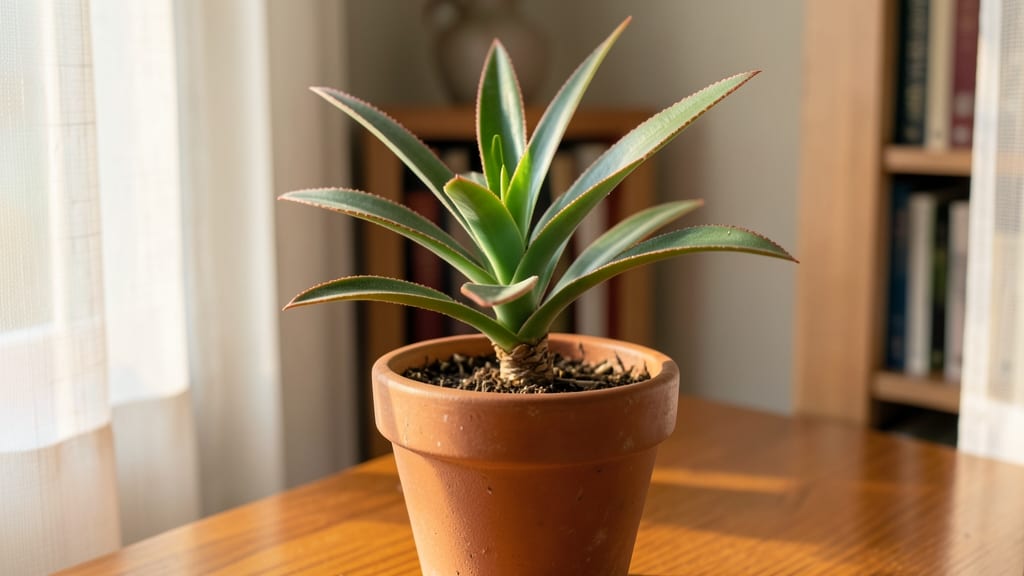
Your dragon tree sprout could grow into a stunning 20-foot indoor tree with the right pruning secrets. 🌿 I’ve turned leggy, sad-looking Dracaena draco into thriving, multi-stemmed specimens by mastering just three simple cuts—and the results are worth every minute.
The key starts with sharp pruners and a 5-minute inspection before cutting. Look for healthy new growth just below leaf nodes, where you’ll make your first snip. Overwatering is the #1 growth killer, so let the top inch of soil dry between waterings—even dragon trees hate soggy roots.
By summer, you’ll see bold new shoots emerging where you pruned, and the plant’s shape will transform from scraggly to sculptural. The best part? These cuts encourage bushier growth, meaning more foliage and fewer bare stems over time. Works for both indoor plants and outdoor specimens in warm climates.
Let’s get those pruners ready!
📚 In This Guide
- What you need
- Instructions
- Tips and common mistakes
- Wrapping up and next steps
What you need
- ● Healthy parent dragon tree: A mature Dracaena marginata with at least 3–4 sturdy stems (avoid overcrowded or diseased plants).
- ● Sharp pruning shears or sterile knife: Disinfect with rubbing alcohol (70% or higher) to prevent bacterial contamination.
- ○ Rooting hormone (optional but recommended): A powder or gel (e.g., Clonex or Rootone) to boost success rates.
- ● Well-draining potting mix: A blend of cactus/succulent mix (60%) + perlite/pumice (40%) for aeration.
- ● Small pots or propagation trays: 2–3 inch (5–7.5 cm) pots with drainage holes, or a tray with cell inserts.
- ● Clear plastic bag or humidity dome: To maintain moisture and humidity (80–90% ideal).
- ● Spray bottle: For gentle misting (avoid soaking the cuttings).
- ● Gloves: Protect your hands from sap (can irritate skin).
- ● Rubbing alcohol (70%+) and cotton swabs: For sterilizing tools.
- ● Labeling tags: Mark cuttings with dates/parent plant info.
- ● Bright, indirect light source: A south- or east-facing window or grow lights (12–14 hours/day).
- ● Patience: Sprouts typically root in 4–8 weeks, depending on conditions!
- ● Bottom heat mat: Set to 70–75°F (21–24°C) to speed up rooting.
- ● Fertilizer (diluted): A half-strength balanced liquid fertilizer (e.g., 10-10-10) after 6–8 weeks.
- ● Charcoal granules: Mix into soil to prevent rot.
- ● Humidity tray: Fill a shallow tray with water + pebbles for extra moisture.
Step-by-Step instructions for pruning your dragon tree sprout
Here’s how I keep my dragon trees lush and full—no guesswork, just proven techniques.
✂️ Step 1: Identify the Right Branches to Prune
Look for branches that are either leggy (stretching too far) or growing inward (they’ll crowd the plant). Healthy branches have 3-4 leaves per node, while overgrown ones might have 6+ leaves or bare stems. I always prune just above a leaf node—this is where new growth will sprout.
Use sharp, clean pruners to avoid tearing the bark. If you’re unsure, start with just one or two branches to see how your plant responds. Dragon trees are forgiving, but too much pruning at once can stress them.
🌿 Step 2: Prune at the Correct Time
The best time to prune is early spring, right as new growth begins. This gives the plant plenty of time to recover before summer heat. Avoid pruning in winter—the plant is dormant, and cuts won’t heal well. If you must prune outside of spring, do it on a mild, overcast day to reduce stress.
Wait until you see new leaves unfurling—this means the plant is actively growing and can handle pruning. If leaves are still tight and closed, hold off for another week.
🪴 Step 3: Clean and Propagate Cuttings
After pruning, let the cut ends dry for 1-2 hours to prevent rot. Dip the cuttings in rooting hormone (optional but helpful) and plant them in well-draining soil—I mix cactus/succulent mix with perlite for best results. Water lightly and place in bright, indirect light (no direct sun yet).
Keep the soil slightly moist but not soggy—dragon tree cuttings root best in warmth (70-75°F). In 4-6 weeks, you’ll see new growth, and you’ll know they’ve taken root.
☀️ Step 4: Encourage Bushier Growth
Once you’ve pruned, give your dragon tree more light—this triggers denser foliage. Rotate the pot a quarter turn weekly so the plant grows evenly. If you notice yellowing leaves, it’s often a sign of overwatering—let the top 2 inches of soil dry out before watering again.
Fertilize lightly with a balanced liquid fertilizer (10-10-10) once a month in spring and summer. Avoid fertilizing in fall and winter—your dragon tree is resting, and extra nutrients can harm it.
Tips & tricks for pruning your dragon tree sprout
Real talk: Even experienced plant parents sometimes over-prune or pick the wrong branches. Here’s how to avoid those mistakes and get the best results every time.
Branch Selection: When identifying branches to prune in Step 1, focus on the angle of the branch—look for ones growing outward at sharp angles rather than straight up. These are the ones that’ll create a fuller, more natural shape. I also check for leaf density: if a branch has more than 5-6 leaves clustered together, it’s a good candidate for pruning to encourage bushier growth.
Timing Secret: The early spring timing in Step 2 isn’t just about avoiding winter dormancy—it’s also about light levels. Dragon trees need bright light to heal properly, and spring provides that perfect balance. If you must prune outside of spring, choose a mild, overcast day to reduce stress on the plant. I’ve found that pruning on a weekday morning gives the plant the full day to recover before evening temperatures drop.
Rooting Strategy: After pruning, the 1-2 hour drying time for cut ends is crucial—it prevents rot by sealing the wound. For extra insurance, I sometimes dip the cut ends in cinnamon powder (a natural antifungal) before planting. When propagating, keep the soil slightly moist but not soggy—I use a spray bottle to mist rather than watering from above, which helps prevent fungal issues in the warm 70-75°F environment.
Pro Tips for Dragon Tree Sprout
- Real talk: Even experienced plant parents sometimes over-prune or pick the wrong branches.
- Branch Selection: When identifying branches to prune in Step 1, focus on the angle of the branch—look for ones growing outward at sharp angles rather than straight up.
- Timing Secret: The early spring timing in Step 2 isn’t just about avoiding winter dormancy—it’s also about light levels.
Frequently asked questions
Got questions about nurturing your dragon tree sprout?
You’re not alone! Here are answers to the most common queries—from timing to troubleshooting—so you can keep your plant thriving with confidence.
When is the best time to prune a dragon tree sprout?
Prune your dragon tree sprout after it finishes flowering (typically spring or early summer) or in late winter before new growth begins. Avoid heavy pruning in fall—this can stress the plant. Light trimming to shape is fine year-round, but major cuts should wait for optimal growth periods. Pro tip: If you miss the window, wait until the next growth cycle!
How do I know if my dragon tree sprout needs pruning?
Watch for these signs:
- Leggy or overly tall growth (stretching toward light)
- Yellowing or crowded leaves at the base
- New shoots emerging from the stem (encourages bushiness)
- Dead or brown leaves (always remove these first!)
Can I propagate my dragon tree sprout from cuttings?
Dragon trees (like Dracaena marginata) root easily from stem cuttings. Take 4–6 inch cuttings just below a leaf node, let them dry for 1–2 hours, then place in water or moist soil. Keep in bright, indirect light and mist occasionally. Roots usually form in 4–6 weeks. Bonus: Use a rooting hormone for faster results!
Why are my dragon tree sprout leaves turning brown after pruning?
Brown leaves post-pruning usually mean overwatering or stress. Let the soil dry slightly between waterings (dragon trees hate soggy roots!) and avoid pruning during extreme heat or cold. If only the tips brown, it’s likely underwatering or low humidity. Adjust care and monitor for 2–3 weeks—new growth should emerge soon! Fix: Trim only healthy leaves to reduce stress.
What’s a good alternative if my dragon tree sprout won’t sprout?
If your dragon tree isn’t producing new sprouts, try:
- Adjust light: Move it to bright, indirect light (e.g., near a window but not in direct sun).
- Fertilize lightly: Use a balanced, diluted houseplant fertilizer every 2–3 months in spring/summer.
- Check humidity: Mist leaves or use a pebble tray if your home is dry.
- Repot if needed: Root-bound plants grow slower—repot in fresh, well-draining soil.
Wrapping up and next steps
Growing a dragon tree sprout with year-round grace is totally within your reach—just remember: patience, precision, and a little love go a long way! 🌿 By mastering the right tools, timing, and techniques, you’ll nurture a stunning, healthy plant that thrives in any season.
Now that you’re armed with the know-how, why not take the next step? Grab your pruners, schedule your first trim, and watch your dragon tree flourish into a breathtaking centerpiece.
Your green thumb is ready—let’s make it grow! 🌱