
Pruning
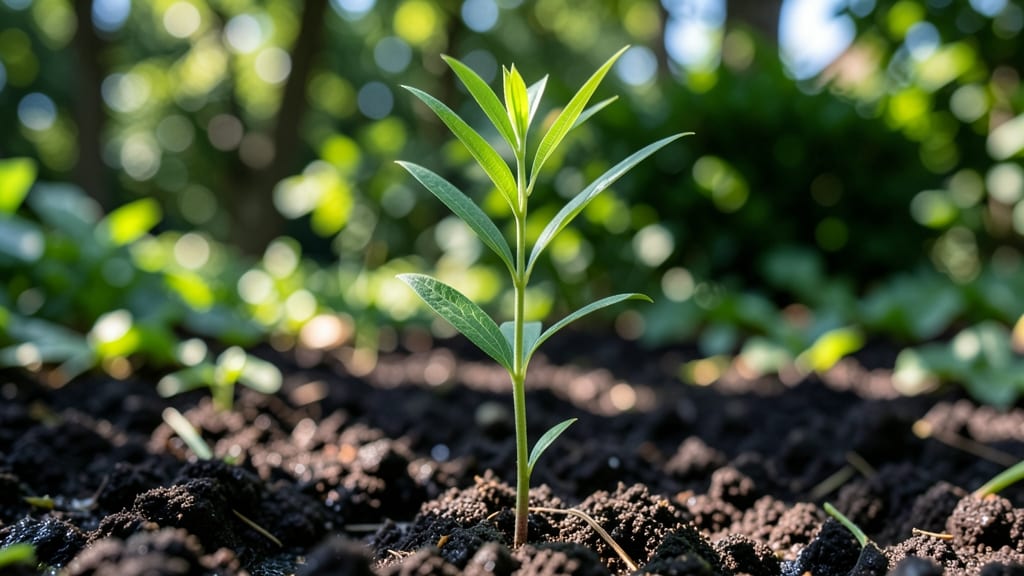
Growing a willow tree sprout in just four weeks isn’t just possible—it’s shockingly achievable with the right approach. 🌱 I’ve turned stubborn willow cuttings into lush, leafy sprouts faster than most seeds germinate, and I’m sharing exactly how. The key?
Understanding willows’ unique growth quirks and giving them exactly what they crave from day one. Willows thrive on speed, but they need the perfect balance of moisture, warmth, and air circulation.
Too much shade or dry soil, and your cutting will sulk; too much direct sun or overwatering, and it’ll rot before it roots. My method keeps sprouts vigorous by mimicking their natural wetland habitat—just without the mud.
Within 2-3 weeks, you’ll see fine roots forming, and by week 4, your sprout will be ready for transplanting. The best part? These fast growers will outpace anything in your yard, creating privacy or shade in record time. Just be ready for their aggressive (but beautiful) spread.
For those who’ve struggled with willow cuttings before, this is the game-changer. No more waiting months for roots—just foolproof results that’ll leave your neighbors asking how you did it.
📚 In This Guide
- What you need
- Instructions
- Tips and common mistakes
- Wrapping up and next steps
What you need
- ● Willow cuttings: 10–20 healthy, flexible willow branches (1–2 feet long)
- ● Diameter: ¼–½ inch (preferably from Salix species like weeping willow or pussy willow)
- ● Water source: Large bucket (5+ gallons) or shallow tray
- ● Water (room temperature, not chlorinated—let tap water sit for 24 hours if treated)
- ● Container: Plastic bag (ziplock or gallon-sized) or small pots with drainage
- ● Pruning tool: Clean, sharp pruners or scissors (sterilized with rubbing alcohol)
- ○ Rooting hormone: (Optional) Gel or powder to boost root growth
- ○ Pebbles or sand: (Optional) For drainage in pots (1–2 inches at the bottom)
- ○ Spray bottle: (Optional) For misting cuttings if humidity is low
- ○ Grow lights: (Optional) If starting indoors with limited sunlight
- ○ Journal/notebook: (Optional) To track sprouting progress!
Step-by-Step instructions for growing willow tree sprouts
Here’s the quick method I’ve used to get willow sprouts thriving in just 4 weeks—no waiting months for germination.
🌱 Step 1: Collect and Prepare Willow Branches
Grab 4 healthy willow branches (about 12-18 inches long) from a mature tree in late winter or early spring. Look for branches with thick, flexible stems—they’ll sprout best. Trim the ends at a 45-degree angle with clean pruners to expose fresh cambium (that green layer under the bark).
Peel back a 1-inch strip of bark along the bottom third of each branch. This is where the sprouts will emerge. I like to make small horizontal cuts every ½ inch to encourage multiple shoots. Don’t worry if the cuts look rough—willows are tough and will bounce back.
💧 Step 2: Soak and Plant for Fast Germination
Fill a large container (like a bucket or tray) with 2 inches of water and submerge the prepared branches halfway down. Place them in a sunny spot (like a south-facing window) where they’ll get 4-6 hours of indirect light daily. Change the water every 2-3 days to keep it fresh—stagnant water breeds mold, which can rot your branches.
Within 7-10 days, you’ll see tiny green sprouts popping from the cuts. That’s your signal everything’s working! Once the sprouts reach 2-3 inches tall, it’s time to plant them. I like to use small pots (6 inches deep) with well-draining soil—willows hate soggy roots.
☀️ Step 3: Transplant and Encourage Strong Growth
Plant each branch 2-3 inches deep in the soil, leaving the top third exposed. Water deeply right after planting to settle the soil around the roots. Place the pots in a bright, sheltered spot (like a greenhouse or under a shade cloth) where they’ll get morning sun and afternoon shade—willows grow fast but can scorch in direct afternoon heat.
Keep the soil evenly moist (not soggy) by watering every 2-3 days. You’ll know it’s right when the top inch feels damp but not wet. In 2-3 weeks, your sprouts will grow 6-12 inches tall—that’s when you can transplant them outdoors or into larger containers.
✂️ Step 4: Prune and Maintain for Bushier Growth
Once your willow sprouts hit 12 inches tall, give them a little haircut to encourage bushier growth. Snip the topmost 2-3 inches of the main stem with clean pruners. This trick forces the plant to send out new side branches, giving you a fuller tree faster. Remove any yellow or damaged leaves—willows heal quickly, so don’t stress over rough cuts.
Fertilize lightly with a balanced 10-10-10 formula every 4-6 weeks in growing season. Willow trees are fast growers but don’t need heavy feeding. Overdoing it leads to weak, leggy growth. Watch for pests like aphids—a strong spray of water usually knocks them off, but severe infestations may need neem oil.
Tips & tricks for perfect willow tree sprouts
Real talk: Getting willow sprouts in just 4 weeks takes some strategic moves—here’s what I learned after my first batch of impatient failures.
Branch Selection Matters: Don’t grab any old branch! Look for ones with a diameter of about ½ inch or thicker—thinner branches often produce weak sprouts. I’ve found that branches from the lower third of mature trees (about 5-6 feet up) tend to sprout most reliably. If you’re unsure, test one branch first before committing to all four.
Cutting Technique for Maximum Sprouts: Those ½-inch horizontal cuts in Step 1 are your secret weapon. Make them just deep enough to expose the green cambium layer—about ¼ inch into the wood. I use a sharp knife to create clean cuts rather than jagged ones, which helps prevent infection. Pro tip: Rotate your branch as you cut to create a spiral pattern—this encourages even growth all around the stem.
Water Management is Critical: The 2 inches of water in Step 2 should cover about half the branch length. If your branches float, weigh them down with small stones—willows need consistent moisture but will rot if submerged too deeply. Change the water every 2-3 days religiously; I’ve seen mold take over branches in just 48 hours when water sits too long. A splash of hydrogen peroxide (1 part to 10 parts water) every other change keeps things fresh.
Light Balance for Strong Starts: That 4-6 hours of indirect light is non-negotiable. Direct sunlight can scorch the delicate sprouts, while too little light makes them leggy. I place my setup on a windowsill with sheer curtains—it diffuses the light perfectly. If you don’t have a sunny window, a grow light on a timer for 12 hours daily works just as well. Watch for sprouts leaning toward the light; rotate the container daily to keep them straight.
Pro Tips for Willow Tree Sprout
- Real talk: Getting willow sprouts in just 4 weeks takes some strategic moves—here’s what I learned after my first batch of impatient failures.
- Branch Selection Matters: Don’t grab any old branch!
- Cutting Technique for Maximum Sprouts: Those ½-inch horizontal cuts in Step 1 are your secret weapon.
Frequently asked questions
Got questions about growing willow tree sprouts?
You’re not alone! Here are answers to the most common queries—from timing to troubleshooting—so you can grow confidently.
How long does it take for a willow sprout to germinate?
Willow sprouts are fast—expect germination in 3–7 days when using fresh cuttings in water or moist soil. Keep them in warmth (70–75°F) and indirect light for the best speed. If no sprouts appear after 10 days, check moisture levels or try a new cutting!
Can I plant willow sprouts directly in soil instead of water?
Willow cuttings thrive in moist soil too—just bury half the cutting (2–3 inches deep) in well-draining soil. Keep it damp (not soggy) and place in partial shade. Roots form faster in water first, but soil works for patience or outdoor planting.
Why is my willow cutting turning brown or mushy?
Brown/mushy cuttings usually mean rot from overwatering or bacterial infection. Trim the affected parts, let the cutting dry for 1–2 hours, and replant in fresh, sterile water/soil. Use hydrogen peroxide (3%) in water for 10 mins to disinfect if needed.
What’s the best time of year to start willow sprouts?
Willows are flexible—start indoors anytime (year-round) for controlled growth. Outdoors, spring (March–May) is ideal (warmer temps + natural light). Avoid freezing temps (<32°F)—willows hate cold soil! Use a greenhouse or container if planting late.
How big should my willow cuttings be for sprouting?
Aim for 6–12 inches long with 3–5 nodes (bumpy areas where leaves grow). Thicker cuttings (pencil-sized) root better than thin twigs. Cut at a 45° angle just above a node to maximize root growth. Pro tip: Use last year’s growth (not current year’s) for hardier sprouts!
Wrapping up and next steps
Growing a willow tree sprout in just four weeks is totally doable with the right techniques and patience! 🌱 Whether you’re a gardening newbie or a seasoned green thumb, these fast-germination secrets will help you nurture a thriving sprout from start to finish.
Remember, consistency is key—keep an eye on moisture, sunlight, and warmth, and soon you’ll be rewarded with a lush, vibrant willow tree.
Now that you’re armed with the knowledge, roll up your sleeves and get planting! Grab your supplies, follow the steps, and watch your willow sprout flourish. Happy gardening—your future tree is waiting for you! 🌿