
Pruning
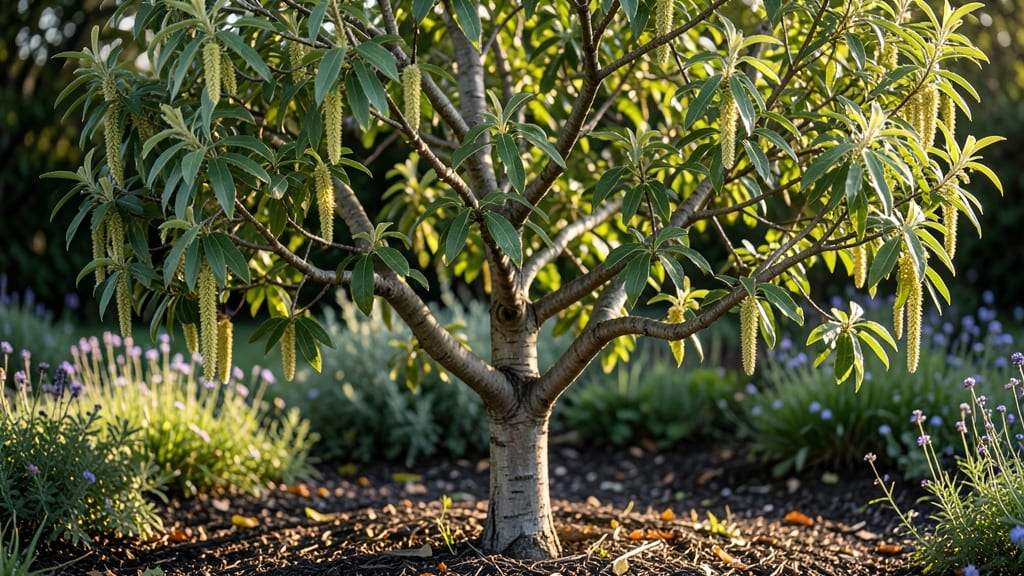
Choosing between a dappled willow tree and shrub comes down to one question: Do you want sky-high drama or lush, manageable height? 🌿 I’ve wrestled with this myself—my first willow grew into a 20-foot tower in three years, while the shrub version stayed neatly contained at 6 feet.
The difference isn’t just size; it’s how they shape your garden’s mood.
The tree version casts dramatic, shifting shadows—perfect for creating a woodland retreat or framing a seating area. But it demands space, regular pruning, and patience for its full effect.
The shrub, though, is the smart choice for borders or small yards: it fills out quickly, stays compact, and still delivers that signature dappled light without the upkeep. Both have the same silvery foliage, but one stretches toward the sky while the other hugs the ground.
What you’ll end up with is a visual focal point—either a soaring sentinel or a textured, low hedge. The tree makes a statement in larger gardens or open spaces, while the shrub thrives in tight corners, containers, or as a living room divider.
Neither requires fancy soil, but the shrub wins for low-maintenance elegance. Here’s how to decide which fits your vision.
Fair warning: The tree version will outgrow its welcome faster than you think. If your garden has 6-foot ceilings or neighbors within 10 feet, the shrub is the safer bet. But if you’ve got room to dream big, the tree’s ethereal canopy is worth the commitment.
Think of it as choosing between a grand ballroom and a cozy parlor—both stunning, but for different occasions.
The first product explained
Meet your new garden hero: Salix caprea 'Pendula'—the classic Weeping Willow Tree (often confused with its shrubby cousin, the Dappled Willow). 🌿✨ This elegant, fast-growing beauty is the go-to for adding drama, texture, and that dreamy dappled shade to small gardens, patios, or even large containers. Whether you're a pruning pro or a budding green thumb, this dappled willow tree is designed to thrive with you—not against your space.
📏 Specs & Features
Don’t let its delicate branches fool you—this powerhouse packs a punch of versatility:
- Mature Height: 10–15 ft (pruned regularly) or up to 25 ft if left unchecked. Perfect for small gardens when kept in check!
- Spread: 8–12 ft wide (with its graceful, cascading branches).
- Growth Rate: Rapid! Expect 2–3 ft of growth per year—ideal for quick privacy or shade solutions.
- Light Needs: Full sun to partial shade (though it loves basking in sunlight for that signature dappled effect).
- Soil Tolerance: Adaptable but thrives in moist, well-drained soil. Pro tip: 💡 Add compost to sandy or clay-heavy soil for happier roots!
- Hardiness: Zones 4–8 (survives winter chill like a champ).
- Flowers/Fruit: Delicate yellow catkins in early spring (pollinators adore them!).
- Foliage: Glossy green leaves that turn golden-yellow in fall—seasonal eye candy!
🎯 Who’s It For?
This isn’t just a tree—it’s your garden’s MVP for:
- 🏡 Small-space gardeners: Train it as a standard tree (prune into a single trunk) or let it sprawl as a living privacy screen.
- 🌿 Container enthusiasts: Grow it in a large pot (20+ gallons) for patios or balconies—just prune regularly to control height.
- 🎨 Landscape designers: Use it to frame entryways, soften fences, or create a whimsical focal point.
- 🐝 Pollinator lovers: Early spring blooms feed bees and butterflies before other plants wake up.
- 👩🌾 Low-maintenance gardeners: While it needs annual pruning, it’s forgiving and recovers quickly!
💰 Price Point & Where to Buy
Ready to transform your space? Here’s the scoop on cost:
| Size | Price Range (USD) | Best For |
|---|---|---|
| 1–3 ft (Container-Grown) | $30–$60 | Patio pots, small gardens, or starter plants. |
| 3–5 ft (Field-Grown) | $70–$120 | Faster establishment, better root system. |
| 5+ ft (Mature Specimen) | $150–$300+ | Instant impact—ideal for larger gardens or pruning projects. |
Where to shop: Local nurseries, The Tree Center, or Wayfair for container options. Pro tip: 🌡️ Buy in early spring or fall for the best selection and prices!
The second product explained
If you're looking for a low-maintenance yet stunning alternative to the towering Salix caprea (dappled willow tree), the Weeping Willow Shrub (Salix babylonica 'Tortuosa') is your perfect match! 🌿✨ This compact, ornamental beauty brings all the elegance of a willow without the space demands, making it ideal for cozy gardens, patios, or even large containers.
Key Specs & Features
- Height: 6–10 feet (vs. 15–25 feet for the tree) – perfect for small gardens!
- Spread: 4–6 feet, with graceful, arching branches that cascade like a mini waterfall.
- Foliage: Long, slender leaves with a silvery-green hue that shimmers in sunlight.
- Flowers: Catkins in early spring (though less showy than the tree’s dramatic display).
- Sunlight: Thrives in full sun to partial shade—versatile for different garden spots.
- Soil Tolerance: Adapts to moist, well-drained soil (avoid waterlogged areas).
- Hardiness: Zones 5–8 (check local climate compatibility!).
Who’s This For?
This shrub is a dream for:
- 🏡 Homeowners with limited space who want a willow’s charm without the bulk.
- 🌿 Urban gardeners using containers or small yards.
- 🎨 Landscape designers seeking texture and movement in mixed borders.
- 🐝 Pollinator-friendly enthusiasts (early spring catkins attract bees!).
Price Point & Value
Pricing varies by retailer, but you can typically find:
- 1-gallon container: $35–$60 (great for small gardens or containers).
- 3–5 gallon (mature size): $80–$150 (ideal for immediate impact).
- Pro Tip: 💡 Buy in early spring for the best selection and lower prices!
Unlike the dappled willow tree, this shrub requires minimal pruning—just trim back leggy branches in late winter to maintain its shape. With its ethereal beauty and adaptability, it’s a game-changer for small-space gardening!
Head-to-head comparison
When it comes to choosing between a dappled willow tree and a dappled willow shrub for your small garden, the differences can be subtle but impactful—especially when it comes to height, maintenance, and overall aesthetics.
Below, we break down a side-by-side comparison to help you decide which fits your space and goals better. 🌿✨
📏 Height & Growth Habits
The most obvious difference between the two lies in their vertical ambitions! Here’s how they stack up:
| Feature | Dappled Willow Tree | Dappled Willow Shrub |
|---|---|---|
| Mature Height | 10–15 feet (or taller with pruning) | 6–8 feet (compact and bushy) |
| Growth Rate | Fast-growing (1–2 feet per year) | Moderate (6–12 inches per year) |
| Spread | 10–15 feet wide (can be controlled with pruning) | 6–8 feet wide (naturally bushy, less sprawling) |
| Ideal for Small Gardens? | ⚠️ Only if pruned aggressively (best for slightly larger spaces) | ✅ Perfect for tight spaces (stays manageable) |
Pro Tip: 💡 If you love the willow’s weeping branches but lack space, opt for the shrub version or prune the tree regularly to keep it in check!
🌱 Pruning & Maintenance
Both varieties require care, but their pruning needs differ significantly. Here’s what to expect:
- Tree:
- ✂️ More frequent pruning (2–3 times per year to control height and shape).
- 🌿 Focus on removing lower branches to encourage an airy, weeping form.
- ⚠️ Can become unruly if neglected—requires regular deadheading.
- Shrub:
- ✂️ Lighter pruning (once or twice per year to maintain shape).
- 🌿 Prune to encourage bushiness—trim back leggy stems in early spring.
- ✅ Low-maintenance compared to the tree version.
Pro Tip: 🔥 For the tree, prune just after the main growth spurt in spring to avoid stunting new shoots. For the shrub, a light haircut in late winter keeps it tidy!
💰 Cost & Availability
Budget-friendly or splurge-worthy? Let’s compare the price tags:
| Factor | Dappled Willow Tree | Dappled Willow Shrub |
|---|---|---|
| Price (Nursery) | $25–$50 (smaller sizes) / $75–$150+ (mature trees) | $15–$40 (young plants) / $50–$80 (established shrubs) |
| Long-Term Cost | ⚠️ Higher (may need staking, frequent pruning, or professional help) | ✅ Lower (minimal upkeep, fewer pruning needs) |
| Availability | Common at nurseries and online (check for "weeping willow" or "Salix caprea" varieties) | Less common but available at specialty nurseries or online (search "dwarf weeping willow") |
Pro Tip: 🎯 Buy young plants to save money—both the tree and shrub establish well in their first year with proper care!
🌡️ Durability & Lifespan
How long will your willow companion stick around? Here’s the lowdown:
- Tree:
- 🌳 Lifespan: 20–30 years (with proper care).
- ❄️ Hardy in USDA Zones 4–8 (tolerates cold but may need winter protection in colder climates).
- 🌞 Sun-loving—thrives in full sun but can handle partial shade.
- ⚠️ Susceptible to pests (aphids, scale insects) if stressed.
- Shrub:
- 🌿 Lifespan: 15–25 years (often shorter than trees).
- ❄️ Hardy in USDA Zones 5–8 (slightly less cold-tolerant than the tree).
- 🌿 Adaptable to light—does well in partial shade (great for understory planting).
- ✅ Fewer pest issues due to denser growth.
Pro Tip: 🌡️ For both, mulch around the base to retain moisture and protect roots in extreme weather!
🎨 Aesthetic & Functional Uses
Beyond height and pruning, how do these two stack up in terms of style and purpose?
| Use Case | Dappled Willow Tree | Dappled Willow Shrub |
|---|---|---|
| Visual Appeal | 🌿 Dramatic, weeping branches—ideal for focal points or garden "wow" factors. | 🌸 Soft, rounded shape—perfect for borders, hedges, or cottage-garden charm. |
| Privacy Screening | ✅ Yes, but needs time (plant in a line for a natural screen). | ⚠️ Limited (better for low hedges or accent planting). |
| Container Gardening | ❌ Not ideal (too large for pots). | ✅ Great for large containers (dwarf varieties work well).
Which one should you choose?So, you’re standing in your small garden, measuring space with your eyes—and wondering whether a dappled willow tree or a willow shrub will be your perfect fit. 🌿 Let’s cut to the chase with a verdict tailored to your needs. 🏡 For Space-Savvy Gardeners: The Shrub WinsIf your backyard is more cozy cottage than sprawling estate, a dappled willow shrub is your best bet. It stays compact (6–8 feet tall), fits snugly in corners, and delivers that dreamy, cascading foliage without stealing the show. Ideal for:
💡 Pro Tip: Prune regularly to encourage bushier growth—think "fuller, not taller!" 🌳 For Dramatic Impact: The Tree Takes the CrownCraving a wow factor? The dappled willow tree (10–15 feet) is your statement piece. It’s the star of the show, perfect for framing doorways, adding vertical interest, or creating a natural privacy screen. Best for:
✨ Bonus: Its weeping branches make it a photogenic centerpiece for outdoor weddings or cozy nooks. 🌱 The Hybrid Hack: Train Your Own!Still torn? Why not have the best of both worlds? Start with a young dappled willow tree and prune it aggressively to keep it shrub-sized. Or, propagate cuttings from a tree to grow a matching shrub—instant harmony! 🌿 Final Verdict: Shrub for practical elegance, tree for grandeur. Pick your vibe—and your garden’s future! |