
Trees
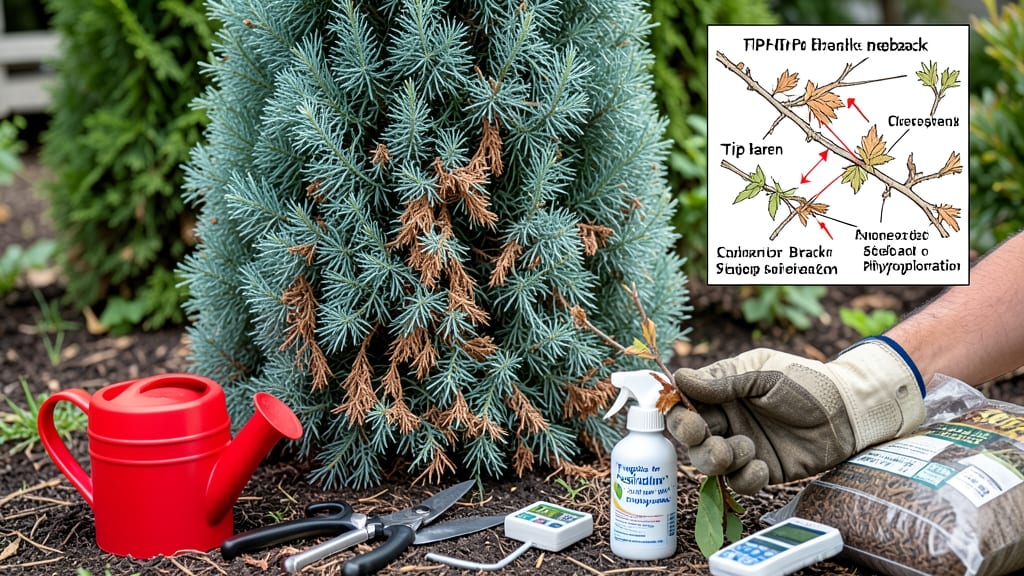
Your cypress tree turning brown treatment isn’t a death sentence—it’s often a fungal blight waiting for a copper-based spray. 🌲 I’ve nursed back more than a few of these majestic trees after brown needles and weak branches appeared, and the key is acting fast with the right treatment before the disease spreads.
First, confirm it’s fungal blight (not drought or pests) by checking for dark, crusty spots on branches. Copper fungicide is your secret weapon—it stops the spread while the tree recovers, but you’ll need to apply it every 2-3 weeks until new growth appears.
Prune affected branches first to improve airflow, then water deeply at the base to help the roots bounce back. Within 4-6 weeks, you’ll see fresh green needles pushing through if the blight hasn’t taken over completely.
The tree’s natural resilience kicks in once the fungal pressure drops, and with proper care, it’ll regain its signature vibrant green.
This works for both Leyland cypress and Monterey cypress, but if the browning spreads to more than 30% of the tree or appears in multiple seasons, call an arborist—some cases need stronger intervention.
Root Causes Behind Browning
When your cypress tree starts turning brown, it’s often a cry for help—whether from hidden pests, environmental stress, or unseen diseases. Understanding the why behind the browning is the first step to saving your tree.
Below, we break down the most common culprits, backed by science, so you can diagnose the issue accurately and take targeted action.
Cypress trees are tough, but extreme conditions can push them to their limits. Browning often starts as a stress response to:
- Drought or Overwatering
Cypress trees thrive in moist, well-drained soil, but too much or too little water disrupts nutrient uptake. When roots struggle, the tree can’t transport water and nutrients efficiently, leading to browning needles or branches. Signs: Wilting, dry soil (drought) or soggy roots (overwatering).
- Temperature Extremes
Cypress trees prefer moderate climates (USDA Zones 6–10). Frost damage (below 20°F) or heat stress (prolonged exposure above 90°F) can cause cellular damage, turning foliage brown. Signs: Crispy edges, sudden browning after cold snaps, or sun-scald on young shoots.
- Salt or Chemical Burn
Road salt, fertilizers, or herbicides can accumulate in the soil, creating a toxic environment. Cypress trees are sensitive to chloride and sodium buildup, which disrupts root function. Signs: Uniform browning along the tree’s edge (often the side facing roads or driveways).
💡 Pro Tip: Check soil moisture with your finger—if the top 2 inches are dry (drought) or waterlogged (overwatering), adjust your irrigation immediately. For salt damage, flush the soil with rainwater or distilled water to dilute toxins.
Fungal pathogens are the #1 culprit behind cypress browning, especially in humid climates. These microscopic invaders thrive in moist conditions, attacking leaves, bark, and roots:
- Seiridium Canker (Caused by Seiridium cardinale)
This aggressive fungus enters through wounds (pruning cuts, storms) and blocks the tree’s vascular system, causing dieback. Signs: Brown, sunken cankers on branches; wilting or browning needles; and yellowing before death (unlike drought stress, which turns brown directly).
- Root Rot (Phytophthora or Armillaria)
Waterlogged soil creates the perfect breeding ground for root-rotting fungi. These pathogens strangle roots, cutting off water and nutrient flow. Signs: Mushrooms at the base, soft/mushy roots, and browning from the bottom up.
- Needle Blight (Mycosphaerella)
In humid summers, this fungus causes tiny brown spots on needles that expand and kill foliage. Signs: Dark, circular lesions with yellow halos; premature needle drop.
🔥 Warning: If you spot cankers, mushrooms, or spots, act fast. Fungal infections spread quickly—prune infected branches 12 inches below the damage and sterilize tools with 70% isopropyl alcohol.
Insects don’t just nibble—they drain sap and introduce diseases, accelerating browning. Watch for these troublemakers:
- Cypress Tip Moth (Fenusa pusilla)
Larvae skeletonize needles, turning them brown and brittle. Signs: Frass (sawdust-like droppings) on branches; new growth with chewed tips.
- Bagworms (Thyridopteryx ephemeraeformis)
These caterpillars spin protective bags and defoliate trees in late summer. Signs: Small, brown bags on branches; sudden browning as the tree loses foliage.
- Aphids & Scale Insects
These sap-suckers weaken trees by clogging pores and spreading sooty mold (a black fungus). Signs: Sticky residue on branches; curled, yellowing needles.
🎯 Solution: For moths/bagworms, apply Bt (Bacillus thuringiensis) spray. For aphids, blast off with a hose or use insecticidal soap. Monitor weekly during peak pest seasons (spring/fall).
Just like humans, trees need a balanced diet. Browning can signal a lack of key nutrients, often due to poor soil or competition:
| Deficiency | Visual Clues | Likely Cause |
|---|---|---|
| Iron (Fe) | Yellowing between veins; brown tips on new growth | Alkaline soil (pH > 7.0) locks out iron |
| Nitrogen (N) | Overall pale green/yellow; stunted growth | Poor soil or over-pruning |
| Magnesium (Mg) | Brown scorch patterns on older needles | Compacted or sandy soil |
💡 Fix It: Test your soil (kits cost ~$20) and amend with chelated iron (for Fe) or compost (for N/Mg). Never over-fertilize—cypress trees prefer low-nitrogen blends.
Even well-intentioned pruning can harm cypress trees. Improper cuts or mechanical damage create entry points for disease and stress the tree:
- Topping or Shearing
Removing large branches (topping) or over-shearing disrupts the tree’s natural shape, leading to weak regrowth that browns easily.
- Storm or Hail Damage
Broken branches expose raw wood, inviting fungal infections like canker. Signs: Jagged breaks, sap oozing, or one-sided browning.
- Lawn Equipment Trauma
Mowers or trimmers can strip bark or sever roots, causing localized browning. Signs: Ring-like damage around the trunk or base
Step-by-Step Fixes for Browning Cypress Trees
Now that you know the why behind your cypress tree’s brown woes, let’s tackle the how with actionable, expert-backed solutions. Whether it’s fungal blight, drought stress, or pest damage, these fixes will help restore your tree’s vibrant green—and keep it thriving long-term. Grab your gloves, and let’s get to work!
Fungal infections like Seiridium canker or Diplodia tip blight are the #1 culprits behind browning cypress trees. Copper-based sprays are the gold standard for treatment, but timing and technique matter.
✨ Step 1: Apply a Copper Fungicide (Right Way)
- When to spray: Early spring (before new growth) and again after heavy rain or pruning.
Repeat every 4–6 weeks until symptoms fade. - What to use: Look for copper sulfate (CuSO₄) or copper hydroxide sprays (e.g., Copper Soap or Champ® Fungicide).
Follow label rates—too much can harm the tree! - How to apply: - Wet the tree thoroughly, focusing on brown cankers, branch tips, and undersides of foliage. - Use a hose-end sprayer for large trees or a backpack sprayer for precision. - Pro tip: 🌡️ Spray on a cool, cloudy day—direct sun can burn foliage when copper dries too fast.
🔪 Step 2: Prune Infected Branches (Safely!)
- Remove dead/dying branches at least 6–12 inches below the browned area to stop the fungus from spreading.
- Sterilize tools between cuts with 70% isopropyl alcohol or a 10% bleach solution (1 part bleach to 9 parts water).
- Burn or bag (not compost!) infected branches—do not leave them on the ground near the tree.
💡 Prevention Tips for Fungal Blight
- Improve airflow: Thin out dense branches to reduce humidity (fungi love damp, shaded areas).
- Water at the base: Avoid overhead watering, which spreads spores.
- Mulch properly: Use 3–4 inches of organic mulch (wood chips, pine straw) but keep it 6 inches away from the trunk to prevent rot.
If your cypress is browning from the bottom up or during dry spells, it’s crying out for water—but overwatering can backfire. Here’s how to strike the right balance.
👨🍳 Step 1: Deep Watering (The Right Way)
- How much? 1–1.5 inches of water per week (including rain).
For mature trees, that’s 10–15 gallons applied slowly (over 1–2 hours). - When? Early morning (reduces evaporation) or late evening (avoids fungal growth from wet foliage overnight). - How? Use a soaker hose or drip irrigation at the drip line (outer edge of the canopy), not the trunk.
🌱 Step 2: Check the Soil (Is It Too Dry or Too Wet?)
- Dig 6 inches deep near the roots.
If the soil is: - Dry and crumbly → Water deeply and add 2–3 inches of mulch. - Soggy or smells like rot → Your tree may have root rot. Stop watering immediately and improve drainage (see below).
🔥 Step 3: Improve Drainage (If Needed)
- Test the slope: Cypress trees hate sitting water.
If your yard pools after rain: - Raise the soil around the base with gravel or sand. - Install French drains if water collects near the roots. - Aerate compacted soil: Use a manual aerator or garden fork to loosen soil in the root zone.
💡 Prevention Tips for Drought Stress
- Mulch like a pro: Use pine straw or wood chips (not rocks) and keep it 3–4 inches thick but 6 inches from the trunk.
- Group plants wisely: Pair cypress with drought-tolerant companions (e.g., yaupon holly, muhly grass) to reduce competition.
- Monitor weather: In prolonged droughts, consider a tree-specific irrigation system (like Tree Watering Bags).
Caterpillars, bagworms, and spider mites can skeletonize cypress foliage, leaving it brown and brittle. Here’s how to evict these uninvited guests.
🔪 Step 1: Hand-Pick or Shake Off Pests
- Bagworms: Look for 1-inch brown "twigs" with a little head poking out. Drop them into soapy water (1 tbsp dish soap per gallon).
- Caterpillars: Shake branches over a tarp and dispose of them in a sealed bag.
- Spider mites: You’ll see fine webbing on undersides of needles. Blast them off with a strong hose spray (early morning).
🍳 Step 2: Apply Targeted Pesticides
- For bagworms/caterpillars: Use Bt (Bacillus thuringiensis)—a natural, organic bacteria that kills larvae without harming bees.
- For spider mites: Spray with neem oil (mix 2 tbsp neem oil + 1 tsp mild soap per gallon of water) or horticultural oil.
- For severe infestations: Try permethrin-based sprays (follow label instructions carefully).
💡 Prevention Tips for Pest Problems
- Encourage natural predators: Plant neighborhood-friendly shrubs (like boxwood or azaleas) to attract ladybugs and parasitic wasps.
- Prune in late winter: Remove old webs or egg masses before pests hatch.
- Avoid over-fertilizing: Too much nitrogen = softer, tastier foliage for pests.
| Issue | Quick Fix | Prevention |
|---|---|---|
| Salt damage | Flush soil with fresh water (slow drip for 30+ mins). | Use rainwater or filtered water for irrigation. |
| Herbicide drift | No cure—replace severely damaged trees. | Plant cypress downwind of lawns. |
| Sun scorch | Provide afternoon shade (temporary shade cloth if needed). | Choose shade-tolerant varieties (e.g., Leyland Cypress). |
- Test your soil: A pH test (ideal: 5.0–7.0) and nutrient analysis can reveal hidden deficiencies (e.g., iron or manganese).
- Fertilize smartly: Use a slow-release, balanced fertilizer (e.g., 10-10-10) in early spring—never in summer (burn risk!).
- Monitor year-round: Keep a tree health journal to track browning patterns and adjust care accordingly.
Your cypress tree isn’t doomed—it’s just asking for help. With these targeted fixes, you’ll see greener needles in 4–8 weeks (or sooner if the issue is water-related). Stay consistent, and your tree will thank you with lush, vibrant growth for years to come! 🌲✨
Frequently asked questions
How quickly should I see results after treating my cypress tree?
With proper treatment, you should start seeing new green growth within 4-8 weeks. Fungal issues like canker disease may take longer to fully recover, but consistent copper sprays and pruning will show improvement in 6-12 weeks. Water-related browning often responds faster—within 2-4 weeks if you adjust irrigation properly.
Can I use household vinegar as a natural fungicide for my cypress?
No, regular vinegar is too harsh and will burn your cypress tree's foliage. The acidity is too strong for conifer needles. Instead, use a 1% hydrogen peroxide solution (mix 1 part 3% peroxide with 31 parts water) as a mild fungicide alternative, but copper-based sprays remain the most effective treatment for fungal infections.
What's the difference between brown needles from drought and fungal disease?
The key difference is the pattern: drought causes uniform browning starting at the tips and working inward, while fungal diseases show dark spots, cankers, or yellowing before browning. Also check the tree's lower branches—if they're browning first, it's likely root rot or fungal infection rather than drought stress.
Is it safe to prune my cypress tree during fungal treatment?
Yes, but do it before applying fungicide—never after. Prune only infected branches, cutting 6-12 inches below the browned area, and always sterilize your tools with 70% isopropyl alcohol between cuts. This prevents spreading spores while improving airflow for faster recovery.
How do I know if my cypress tree is beyond saving?
Your tree may be too far gone if more than 50% of the canopy is dead, there are large cankers covering the trunk, or you see mushrooms growing at the base (sign of advanced root rot). In these cases, removal may be the most humane option to prevent disease spread to nearby plants.