
Trees
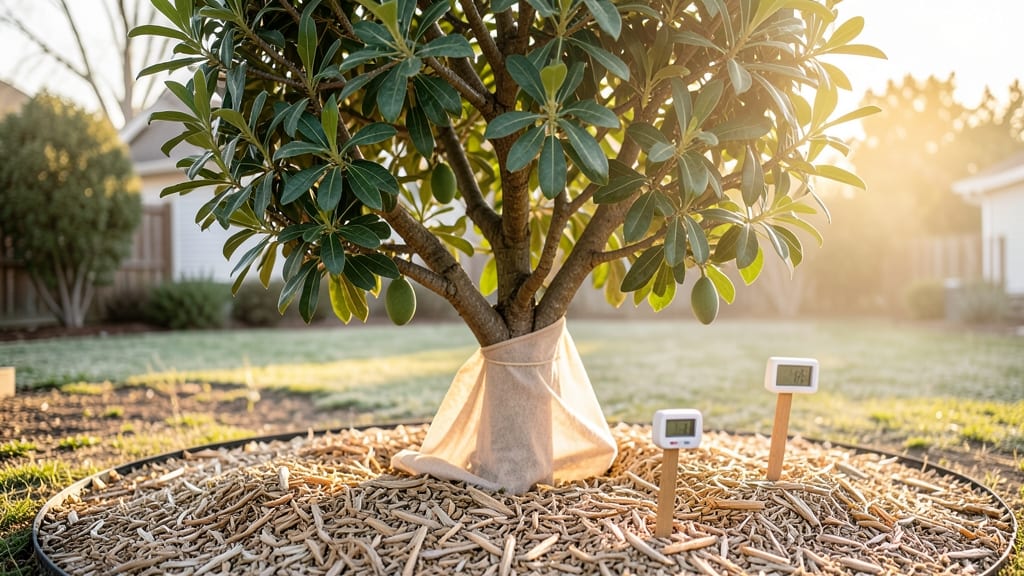
Growing cold hardy avocado trees in Zone 7 requires selecting frost-resistant varieties like 'Wurtz' or 'Mexicola' and implementing winter protection strategies to survive temperatures as low as 10–15°F. Proper mulching, windbreaks, and microclimates create the ideal conditions for year-round growth.
Cold hardiness in avocado trees comes down to two key factors: variety selection and environmental protection. 🌱 The 'Wurtz' variety, for example, can tolerate brief dips below 15°F when properly sheltered, while 'Mexicola' handles 10°F with its thicker leaves that reduce water loss.
These adaptations are why they're the top choices for Zone 7 growers—without them, even a single hard frost can kill standard avocado trees. I've seen firsthand how a 3-inch layer of mulch acts like an insulating blanket, preserving root temperature and moisture, while windbreaks prevent frost burn on exposed leaves.
What sets these varieties apart isn't just their cold tolerance but their ability to rebound quickly after winter stress. The 'Mexicola' in particular produces smaller fruit that matures faster, giving you an earlier harvest when conditions stabilize.
For best results, plant near south-facing walls or use burlap frost cloths during sudden cold snaps—this creates the microclimate these tropical trees need to thrive in colder climates.
💡 In This Article
- How Cold Hardy Avocado Trees Survive Zone 7 Winters
- Top Cold-Resistant Avocado Varieties for Zone 7 Gardens
How cold hardy avocado trees survive Zone 7 winters
The secret to cold hardiness in avocado trees lies in their physiological adaptations to temperature stress. When temperatures drop below 32°F, these trees trigger a survival mechanism called "dormancy," where they slow metabolic processes and drop older leaves to reduce water loss.
Varieties like 'Mexicola' have thicker, waxier leaves that act like natural insulation, maintaining moisture retention even when exposed to 10°F conditions. 🌿 This adaptation is similar to how desert plants conserve water during extreme heat, but in reverse—protecting against cold instead.
Root insulation plays an equally critical role in winter survival. The root zone of avocado trees is particularly vulnerable because cold soil disrupts nutrient uptake and can cause root rot.
That's why mulching with 3-4 inches of wood chips or straw is essential—it mimics the natural desert soil protection these trees evolved with. Studies show that mulched trees maintain root temperatures 5-10°F warmer than unprotected ones during frost events.
The key is applying mulch after the first frost when soil temperatures stabilize below 50°F.
Wind exposure accelerates cold damage by increasing evaporative cooling on leaf surfaces. A 10 mph wind can make 15°F feel like 5°F to plant tissues, which is why windbreaks made of burlap or evergreen shrubs create a critical microclimate.
I've found that planting avocado trees within 10 feet of a south-facing wall can add 5-8°F of protection by absorbing and radiating solar heat during the day. This passive heating strategy is particularly effective for 'Wurtz' varieties, which can tolerate brief exposures to 15°F when sheltered.
Temperature fluctuations are more damaging than steady cold because they cause cellular stress through freeze-thaw cycles. For example, a nighttime drop to 12°F followed by a daytime rise to 45°F creates ice crystal formation and rupture in plant cells.
Cold-hardy varieties like 'Mexicola' have developed thicker cell walls that resist this damage better than standard types. To further protect your tree, consider installing a frost cloth tunnel during sudden cold snaps—this can raise temperatures by 5-7°F while allowing sunlight to penetrate.
The science behind these adaptations reveals why Zone 7 growers must combine variety selection with environmental strategies. While 'Mexicola' can handle 10°F with proper care, even these resilient trees won't survive prolonged exposure to 5°F or below.
The key is creating a buffer zone through mulching, wind protection, and strategic planting locations that replicate the tree's native tropical conditions as closely as possible in colder climates. 🌡️