
Pruning
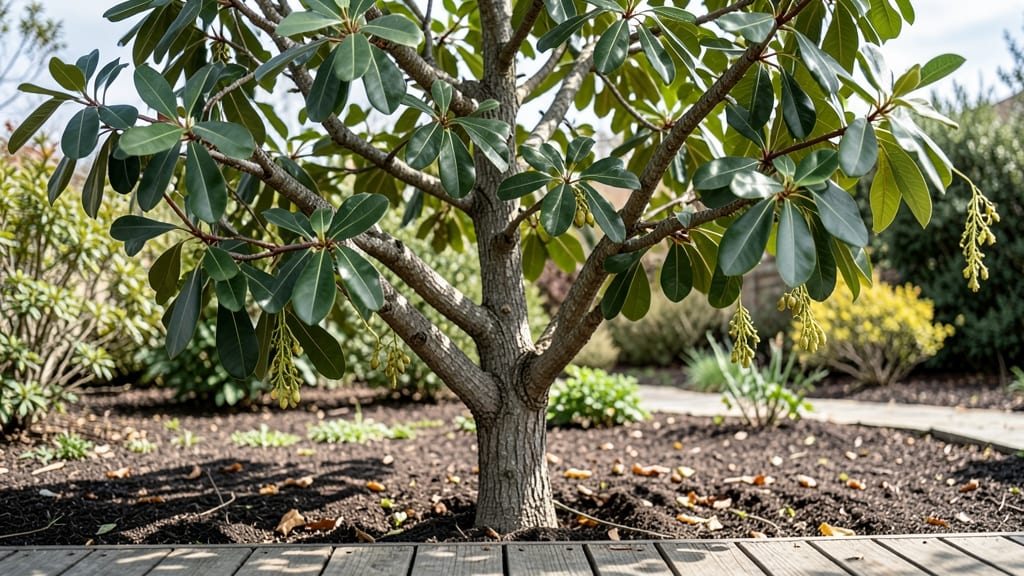
Strategic trimming turns Florida’s invasive Chinese tallow trees into manageable landscape assets. 🌳 I’ve wrestled with these fast-growing trees in my Central Florida yard, and the right pruning technique makes all the difference—keeping them contained while preventing seed spread.
These trees thrive in Florida’s heat and sandy soils, but their aggressive growth demands control. The key is timing: prune in late winter or early spring before new growth begins, and focus on removing lower branches to reduce seed production.
A sharp pair of loppers and safety gear are your only tools—no fancy equipment needed. You’ll end up with a tree that stays within your property lines, produces fewer invasive seeds, and even adds seasonal interest with its striking red berries.
The trade-off? Less aggressive spread means fewer berries for birds to scatter—but that’s the point. Works for homeowners, land managers, and anyone dealing with tallow trees in Florida’s urban or wild landscapes. Let’s get those branches under control.
📚 In This Guide
- What you need
- Instructions
- Tips and common mistakes
- Wrapping up and next steps
What you need
- ● Pruning shears or loppers: Sharp, bypass-style shears (for branches ≤ 1 inch in diameter) or loppers (for branches 1–2 inches thick). Pro tip: 💡 Sanitize blades with rubbing alcohol between cuts to prevent disease spread!
- ● Pruning saw: A curved-tooth saw (for branches > 2 inches in diameter). Look for a folding design for portability.
- ● Heavy-duty gloves: Cut-resistant gloves (e.g., ANSI-rated) to protect hands from thorns and sharp edges.
- ● Safety goggles: Impact-resistant goggles to shield eyes from debris.
- ● Work boots: Steel-toe boots with slip-resistant soles for stability on uneven terrain.
- ● Disposable trash bags or a wheelbarrow: For hauling cuttings (Florida requires proper disposal—check local regulations!).
- ● Ladder or stump: A stable, extendable ladder (rated for your weight + tools) or a sturdy stump for reaching higher branches.
- ● PPE coveralls: Long sleeves and pants to minimize skin exposure to sap (which can cause irritation).
- ● First-aid kit: Include antiseptic wipes, bandages, and tweezers for thorn pricks or minor cuts.
- ● Pole pruner: Extends your reach for high branches (10–30 feet).
- ● Chainsaw (with safety gear): For large-diameter trunks or stumps (only if experienced!).
- ● Tree wound dressing: Pruning sealant (controversial but useful for sealing cuts > 6 inches in diameter).
- ● GPS or mapping app: To mark tree locations for follow-up treatments.
- ● Portable vacuum: For cleaning up sap or debris efficiently.
Instructions for strategically trimming Chinese tallow trees in Florida
Here’s how I tackle this invasive species while keeping your landscape safe and healthy.
✂️ Step 1: Identify the Right Time for Trimming
Timing matters most with Chinese tallow trees—trim in late winter or early spring (February to March) when the tree is dormant but before new growth begins. This prevents stimulating unwanted regrowth and gives you the cleanest cut possible. You’ll notice the tree’s leaves have fallen, and the branches look bare, signaling it’s ready for trimming.
Never trim in summer or fall. Cutting during active growth can stress the tree and spread seeds, worsening the invasive problem. If you must address safety hazards (like dead branches) outside this window, focus only on removing dead or broken limbs—nothing more.
✂️ Step 2: Gather the Right Tools and Safety Gear
You’ll need sharp pruning shears for small branches, loppers for thicker limbs up to 2 inches in diameter, and a pruning saw for anything larger. Wear gloves (Chinese tallow sap can irritate skin) and safety goggles—this tree’s branches snap back unexpectedly. I also recommend long sleeves and pants to protect against thorns and sap.
Have a bucket or tarp ready to collect cuttings. Chinese tallow seeds spread easily, so bagging or burning debris is critical. If you can’t burn, take cuttings to a landfill—never leave them on-site or compost them.
🌿 Step 3: Remove Dead or Diseased Branches First
Start by scanning the tree for dead, diseased, or crossing branches. Dead branches are brittle and snap easily—remove them first to reduce weight on the tree. Diseased branches often have dark spots, oozing sap, or unusual growths. Cut these back to the branch collar (the swollen area where the branch meets the trunk) to prevent further spread.
Use clean, sharp tools to make cuts at a 45-degree angle just outside the branch collar. Avoid leaving stubs—this invites rot and weakens the tree. If a branch is too large to cut at the collar, make a top cut first (parallel to the trunk) and then a bottom cut to remove the branch cleanly.
✂️ Step 4: Thin the Canopy for Better Airflow
Chinese tallow trees grow densely, which traps moisture and encourages pests or disease. Aim to remove 20-30% of the canopy to improve airflow. Focus on inner branches that rub against each other or block sunlight from reaching the lower canopy. You’ll see healthier growth in the remaining branches once sunlight penetrates evenly.
Cut branches back to a bud or side branch that grows outward. This encourages outward growth rather than a dense center. Avoid "heading back" (cutting back to a stub)—it stimulates new shoots and makes the tree bushier, which is the last thing you want with an invasive species.
🪴 Step 5: Dispose of Cuttings Properly
Chinese tallow trees re-sprout vigorously from cuttings, so disposal is critical. Place all trimmings in sealed bags or a secure dumpster for landfill disposal. If you have access to a burn pile, burning cuttings is the most effective way to prevent regrowth. Never chip or mulch the wood—even small pieces can sprout.
After trimming, monitor the area for new shoots over the next few months. If you see any, remove them immediately before they grow larger. Consistency is key—one missed shoot can turn into a full tree in a season.
Tips & tricks for managing Chinese tallow trees in Florida
These practical strategies will help you tackle invasive Chinese tallow trees with confidence and precision.
Timing is Everything: The late winter to early spring window (February to March) is non-negotiable for proper trimming. This dormant period ensures you won't accidentally stimulate new growth. I've seen people trim in summer and end up with a bushier tree than they started—don't make that mistake. Look for completely bare branches as your cue to begin. If you absolutely must trim outside this window, limit yourself to only removing dead or broken limbs.
Safety Gear is Non-Negotiable: Chinese tallow sap can cause skin irritation, and branches snap back unexpectedly. I once tried trimming without gloves and spent the next hour scrubbing my hands—trust me, it's not worth it. Always wear thick gloves, safety goggles, and long sleeves. For larger branches, consider using a pole saw extension to avoid climbing. The extra $20 for proper gear will save you from potential injuries and frustration.
Precision Cuts Prevent Problems: When removing branches, always cut just outside the branch collar at a 45-degree angle. This technique prevents unsightly stubs and promotes proper healing. For larger branches, use the two-cut method: first make a top cut parallel to the trunk, then a bottom cut to cleanly remove the branch. I've seen too many people leave stubs that eventually rot or become entry points for pests. Take your time—this is where proper technique makes all the difference.
Disposal is the Most Critical Step: Chinese tallow trees re-sprout from even small cuttings, so disposal can't be overlooked. I've had neighbors leave trimmings in piles that sprouted new trees within weeks. Always bag cuttings in heavy-duty trash bags or take them directly to a landfill. If you have a burn pile, this is your best option—just make sure it's completely burned. Never chip or mulch the wood, as even small pieces can grow into new plants.
Pro Tips for Chinese Tallow Tree Florida
- These practical strategies will help you tackle invasive Chinese tallow trees with confidence and precision.
- Timing is Everything: The late winter to early spring window (February to March) is non-negotiable for proper trimming.
- Safety Gear is Non-Negotiable: Chinese tallow sap can cause skin irritation, and branches snap back unexpectedly.
Frequently asked questions
Got questions about managing Chinese tallow trees in Florida? You’re not alone! Below, we’ve tackled the most common concerns—from identification to removal and everything in between.
Is the Chinese tallow tree really invasive in Florida?
Yes! This tree is classified as an invasive exotic species in Florida due to its aggressive growth, rapid spread, and ability to outcompete native plants. It thrives in disturbed soils, wetlands, and even urban areas, making it a major ecological concern. Action: Early removal is key to preventing its dominance.
When is the best time to trim or remove Chinese tallow trees?
The ideal window for trimming is late winter to early spring (February–March) when the tree is dormant but before new growth begins. For complete removal, fall (September–November) is often recommended to avoid seed dispersal. Pro tip: Wear gloves—its sap can irritate skin!
Can I just prune it instead of removing the whole tree?
Pruning can slow its spread but won’t eliminate it. Chinese tallow trees regenerate quickly from stumps and seeds. For long-term control, cut-and-treat (applying herbicide to fresh cuts) or full excavation is more effective. Note: Check local regulations—some areas require permits for invasive species removal.
How much does professional removal cost in Florida?
Costs vary by tree size and location, but expect to pay:
- $200–$500 for small trees (under 15 ft)
- $500–$1,500+ for large/mature trees (20+ ft)
- $100–$300 for stump grinding (if needed)
What should I do if I accidentally plant one?
Don’t panic! Act fast:
- Dig up the entire root system (even small seedlings)
- Bag and dispose of debris in non-compostable trash
- Monitor the area for regrowth (roots can sprout new shoots)
- Report sightings to Florida Fish & Wildlife for tracking
Wrapping up and next steps
Taking action against the Chinese tallow tree in Florida is key to protecting your landscape and local ecosystems. Strategic trimming, combined with proper tools and techniques, can help control—not eradicate—this invasive species while minimizing regrowth. 🌱
Ready to make a difference? Start by assessing your property, gathering the right tools, and following the steps outlined above. Every cut counts! Share your progress with local conservation groups or report sightings to Florida’s Florida Exotic Pest Plant Council to amplify the effort.
Together, we can keep Florida’s landscapes thriving! 🌿