
Pruning
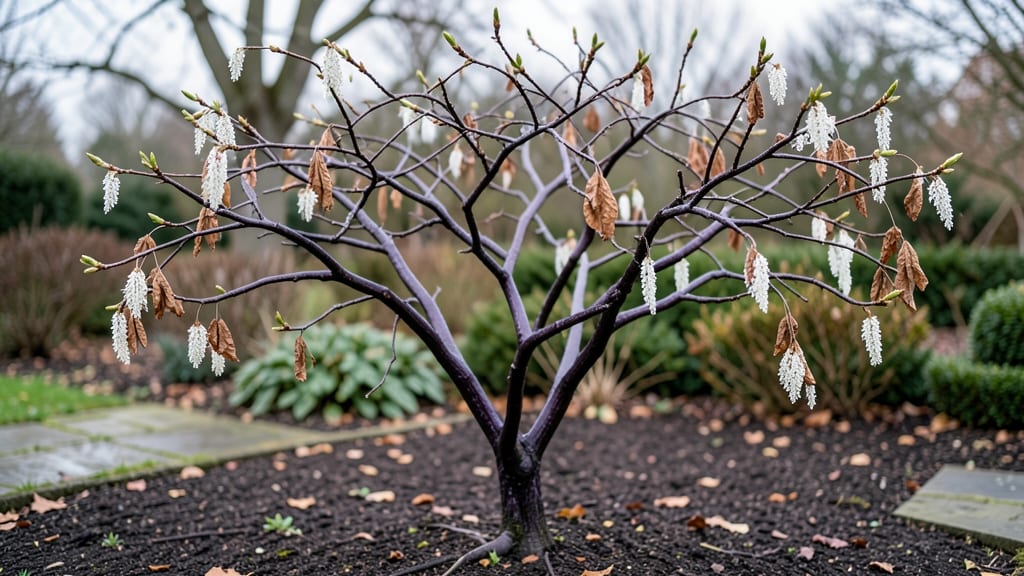
Your Chinese fringe tree (Chionanthus retusus) looks like a skeleton in winter—until you see those fat, fuzzy buds popping in early spring. ✨ The dormant season is actually the perfect time to shape this tree for next year's stunning white fringe blooms, but there's a right way and a wrong way to do it.
The key is pruning while the tree is still bare, between late winter and early spring, before new growth starts. You'll remove dead or crossing branches first, then thin out the center to improve airflow.
The goal is to create a balanced shape that lets sunlight reach all the branches—this encourages those showstopping spring flowers. What you’ll end up with is a tree that bursts into bloom earlier and more dramatically than ever.
The buds swell visibly by late winter, and by April, you’ll have clouds of fragrant white flowers that attract pollinators. The bark itself becomes a winter feature—peeling in thin strips like exfoliating skin, adding texture to the garden. For cold climates, a little extra protection goes a long way.
Mulch the base to shield roots from freezing, and avoid heavy pruning if your winters are brutal. This tree is tough, but it rewards careful winter prep with years of effortless beauty.
📚 In This Guide
- What you need
- Instructions
- Tips and common mistakes
- Wrapping up and next steps
What you need
- ● Pruning shears: Bypass pruners (for small branches, ¼"–½" thick) – 1 pair (look for sharp, rust-resistant stainless steel blades).
- ● Loppers: For medium branches (½"–1½" thick) – 1 pair (choose ratcheting or bypass for clean cuts).
- ● Pruning saw: For thick branches (1½"+ thick) – 1 saw (bow or folding saw with fine teeth).
- ● Gloves: Heavy-duty, cut-resistant gloves – 1 pair (gardening or pruning-specific).
- ● Disinfectant: 70% isopropyl alcohol or pruning sealant – small bottle (to prevent disease spread).
- ● Clean rags or paper towels – 2–3 (for wiping tools between cuts).
- ● Trash bag or bucket – 1 large (for collecting pruned branches).
- ● Ladder or stool – 1 (if your tree is taller than 6 feet; ensure it’s stable!).
- ● Pruning paint/sealant – For large cuts (½" or wider) to protect the tree.
- ● Handheld leaf blower – To clear debris from the area post-pruning.
- ● Notebook & pencil – To sketch a quick map of cuts for reference.
- ● Safety glasses – If working with a saw or in windy conditions.
- ● Tree growth regulator (e.g., seaweed extract spray) – To encourage healthy regrowth.
Step-by-Step winter pruning for Chinese fringe trees
Here’s my go-to method for revitalizing your Chinese fringe tree before spring blooms arrive.
✂️ Step 1: Time Your Pruning Perfectly
Prune your Chinese fringe tree (Chionanthus retusus) after the first hard frost but before new growth begins. This is usually in late winter (February or early March in most climates). The tree should be fully dormant—no buds swelling, no leaves emerging. If you prune too early, you risk encouraging premature growth that won’t survive cold snaps.
Check the branches: they should feel wood-like and firm, not soft or spongy. If you see any green tips or bud swellings, wait another week. This timing ensures you remove last year’s dead wood while preserving the energy needed for spring blooms.
🌿 Step 2: Assess and Remove Dead or Weak Wood
Start by inspecting the tree for dead, diseased, or crossing branches. Dead wood is easy to spot—it’s gray, brittle, and snaps when bent. Diseased branches may have black spots, fungal growth, or oozing sap. Use sharp pruning shears to cut these out at the branch collar (the swollen area where the branch meets the trunk).
Next, remove any branches that cross or rub against each other. These create wounds that invite pests and disease. Thin out crowded areas to improve airflow, which reduces humidity and fungal risks. Aim to open up the canopy so light reaches the inner branches—this encourages stronger growth and better blooms next season.
✂️ Step 3: Shape for Balance and Bloom Potential
Chinese fringe trees naturally grow with a rounded, multi-stemmed form. Step back and visualize the tree’s structure: you want to maintain its natural shape while removing any awkward growth. Cut back overgrown or leggy branches to a strong lateral branch or bud. Avoid leaving stubs—always cut just outside the branch collar.
For branches that are too long, reduce their length by one-third to encourage bushier growth. Focus on outer branches first—this opens the center of the tree and allows sunlight to reach the core. Avoid heavy pruning in one season; instead, spread it over 2-3 years to avoid stressing the tree.
🪴 Step 4: Clean Up and Protect the Tree
After pruning, sterilize your tools with rubbing alcohol to prevent spreading disease. Remove all pruned branches and debris from the area—leaving them behind can harbor pests or fungi. If your tree is in a windy or exposed location, consider wrapping the trunk with tree guard to protect it from winter sunburn or animal damage.
Apply a 2-3 inch layer of mulch around the base of the tree (but keep it 6 inches away from the trunk). This insulates the roots and retains moisture. Water deeply if the ground isn’t frozen—this helps the tree recover from pruning stress. Avoid fertilizing now; the tree is dormant and won’t use nutrients until spring.
⏰ Step 5: Monitor for Spring Readiness
In early spring, check for new growth—this is your sign that the pruning was successful. You’ll see tiny green buds or fresh shoots emerging from the pruned areas. If you notice yellowing leaves or wilting, it could mean over-pruning or stress. In this case, reduce watering slightly and avoid further pruning until the tree stabilizes.
Once buds swell and leaves appear, you can lightly fertilize with a balanced, slow-release fertilizer (like 10-10-10). This gives the tree the nutrients it needs to produce those iconic white fringe-like blooms in late spring. Keep an eye out for pests like scale or spider mites—early intervention makes all the difference.
Tips & tricks for perfect winter pruning of Chinese fringe trees
Here's what nobody tells you about getting your Chinese fringe tree ready for spring blooms without stressing it out.
Timing is Everything: The late winter window (February or early March) is critical because you want the tree fully dormant—no buds swelling, no green tips. I learned this the hard way after pruning too early and seeing new growth get frostbitten. Check your branches: they should feel firm like wood, not soft like a pencil. If you see any green, wait another week. This timing ensures you're removing last year's dead wood while keeping the tree's energy reserves intact for spring blooms.
Branch Collar Matters: When removing branches in Step 2, always cut just outside the branch collar—the swollen area where the branch meets the trunk. This is where the tree's natural healing tissues are located. I've seen so many trees develop cankers from improper cuts. Use sharp pruning shears and make clean cuts at a slight angle to prevent tearing. This small detail makes all the difference in preventing disease entry points.
Shape Gradually: Chinese fringe trees have that beautiful rounded form, and you want to maintain it. In Step 3, when you're reducing branches by one-third, focus on outer branches first to open up the center. I recommend spreading heavy pruning over 2-3 years rather than doing it all at once. Last year, I pruned too aggressively in one season and my tree struggled to recover—it took two years to fully bounce back. The goal is to encourage bushier growth while preserving the tree's natural shape.
Cleanup Prevents Problems: After pruning, sterilize your tools with rubbing alcohol to prevent spreading disease between cuts. I can't emphasize enough how important this is—especially when dealing with potential diseased branches. Remove all pruned branches and debris immediately. Leaving them behind creates a perfect environment for pests and fungi to thrive. This step might seem tedious, but it's one of the best ways to protect your tree's long-term health.
Pro Tips for Chinese Fringe Tree In Winter
- Here's what nobody tells you about getting your Chinese fringe tree ready for spring blooms without stressing it out.
- Timing is Everything: The late winter window (February or early March) is critical because you want the tree fully do...
- Branch Collar Matters: When removing branches in Step 2, always cut just outside the branch collar—the swollen area w...
Frequently asked questions
about caring for your Chionanthus retusus (Chinese fringe tree) during winter can help you avoid common mistakes and ensure a stunning spring comeback. Here are answers to the most common queries:When is the best time to prune my Chinese fringe tree in winter?
The ideal window is late winter to early spring (February–March in most U.S. zones), before new growth begins. Pruning too early (like January) risks exposing tender buds to cold snaps, while waiting too long (April+) may cut off potential blooms. Aim for a dormant but thawed tree—when temps stay above freezing at night.
Can I prune my Chinese fringe tree if it’s still covered in snow?
No—never prune a snow-covered tree. Wet, heavy snow can hide dead branches or mask the tree’s true structure. Wait until snow melts and temps stabilize above freezing (usually 30°F+). If branches are heavily ice-laden, gently remove snow with a broom or rake to avoid damage, but avoid pruning until spring.
How do I know if I’ve pruned too much?
You’ve over-pruned if you remove more than 25% of the tree’s canopy in one year or see excessive bare stems. Signs of stress include yellowing leaves in spring or stunted growth. Chinese fringe trees are resilient but thrive with moderate cuts—focus on shaping, not thinning. If in doubt, prune lightly and monitor for recovery.
What if my Chinese fringe tree doesn’t bloom in spring after winter pruning?
Lack of blooms often stems from over-pruning (cutting back flowering wood) or poor timing. Blooms form on old wood, so avoid heavy cuts to last year’s branches. If no flowers appear, check for nutrient deficiencies (apply balanced fertilizer in early spring) or pests/disease (inspect for aphids or fungal spots). Patience helps—some trees take 2–3 years to rebound.
Are there winter alternatives if I can’t prune now?
If winter weather delays pruning, focus on protective care instead:
- Mulch the base with 2–3 inches of organic mulch to insulate roots.
- Water deeply (but only if soil isn’t frozen) to prevent drought stress.
- Avoid heavy snow loads—gently brush off branches to prevent breakage.
- Mark branches for pruning with flagging tape if you’re unsure about cuts.
Wrapping up and next steps
The Chinese fringe tree (Chionanthus retusus) proves that winter isn’t just a time of rest—it’s your chance to set the stage for a stunning spring comeback.
By mastering dormant-season pruning, you’re not just tidying up; you’re inviting healthier growth, brighter blooms, and a stronger tree for seasons to come. 🌿✨
Ready to transform your winter chores into springtime triumphs? Grab your tools, review your notes, and schedule that pruning session—your future blossoms will thank you! Start planning now, and watch your Chinese fringe tree thrive like never before.