
Light Requirements
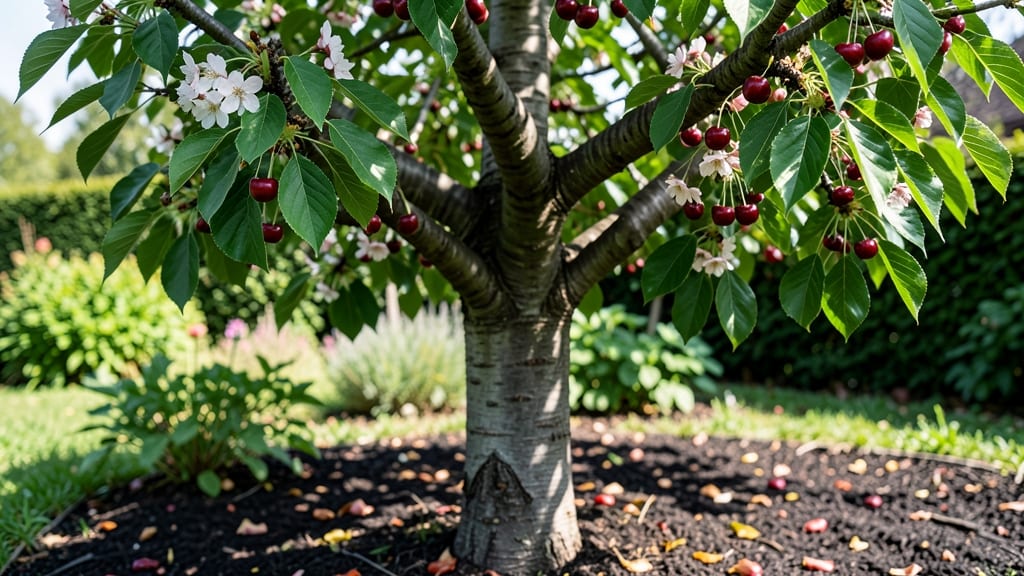
Growing a cherry tree 🌸 with the right sun requirements means the difference between a lush, fruit-bearing beauty and a struggling underachiever.
Struggling to grow a thriving cherry tree? Sunlight exposure is the #1 factor determining whether your tree produces abundant fruit—or struggles to survive. Get the light balance right, and you’ll harvest sweet cherries year after year.
Most cherry trees need at least 6 to 8 hours of direct sunlight daily, but some varieties handle partial shade better than others. In USDA Zone 6a, where spring and summer sun shifts dramatically, timing matters just as much as placement.
Below, I’ll break down the exact sunlight needs by variety, how to spot signs of too much or too little sun, and the best spots to plant for maximum growth—so you can avoid common mistakes and enjoy a bountiful harvest.


How many hours of sun do cherry trees need for optimal growth?
If you're dreaming of a lush cherry tree heavy with juicy fruit, sunlight is your secret weapon. Cherry trees thrive in full sun, but the exact hours depend on the variety.
Sweet cherries like Bing or Rainier demand 6-8 hours daily, while tart cherries such as Montmorency can tolerate 5-7 hours. Too little light means sparse fruit, while too much can stress young trees in hot climates. Let’s break down the perfect balance for your garden.
Understanding your local sunlight patterns is key. Use a sunlight tracker or observe your yard—trees near buildings or fences may cast shifting shadows. In USDA Zones 5-7, morning sun with afternoon shade helps prevent leaf scorch.
Meanwhile, Zone 8+ gardens need afternoon shade for young trees during peak summer heat. The right placement ensures your cherry tree grows strong and produces fruit year after year.
🌸 Variety matters! Sweet cherries (like Stella or Lapins) need the most sun, while tart cherries (like Balaton) adapt better to partial shade. Dwarf varieties, such as Black Tartarian, can even thrive in 4-6 hours of sun if pruned properly. Always check your tree’s label for specific needs—it’s the first step to success.
Seasonal adjustments are a game-changer. In spring and fall, cherry trees love 6+ hours of sun to fuel growth and fruit set. But during summer’s peak heat, young trees may need afternoon shade to prevent leaf burn.
If you’re in a hot, dry climate, consider planting near a west-facing wall—it captures morning sun while shielding from afternoon intensity.
Measuring sunlight is easier than you think. Use a sunlight calculator app or place a white board in your desired spot for a week. Mark the shaded areas—anything under 4 hours of direct sun is too little for most cherry trees.
For urban gardens, south-facing windows or rooftop gardens can work if you supplement with grow lights during shorter days.
Don’t overlook microclimates—your yard’s layout matters. Trees near large structures or dense foliage may only get 2-3 hours of sun, which is insufficient. If your spot gets partial shade, choose a tart cherry variety or prune nearby trees to increase light exposure.
Even 1-2 extra hours of sun can boost fruit production by 30-50%!
New to cherry trees? Start with dwarf varieties if your space is limited. They thrive in containers with 4-6 hours of sun and are perfect for patios or balconies.
For standard trees, aim for full sun exposure and monitor for signs of stress, like yellowing leaves or dropped fruit. Adjust pruning or shading as needed to keep your tree happy.
Pro tip: Mulch around your cherry tree to retain moisture and regulate soil temperature. A 3-inch layer of organic mulch (like wood chips) helps young trees handle fluctuating sunlight and keeps roots cool. Pair this with consistent watering, and your tree will reward you with bountiful harvests for decades.
Remember, cherry trees are finicky about light, but with the right setup, they’re one of the most rewarding additions to any garden. Whether you’re growing sweet or tart varieties, prioritize sun exposure, and your tree will thank you with juicy, homegrown cherries every season. 🌿
Signs your cherry tree isn’t getting enough (or too much) sunlight
If your cherry tree isn’t thriving, sunlight could be the culprit. Too little sun leads to weak growth, while too much can scorch leaves.
I’ve seen both extremes in my own orchard, and the differences are dramatic. Leaf color and fruit production are the first clues that something’s off with your tree’s light exposure.
Start by observing your tree’s leaves and branches. Healthy cherry trees have vibrant green foliage and sturdy branches. If you notice yellowing leaves or thin, leggy growth, your tree might be starving for sunlight.
On the flip side, brown or crispy leaf edges signal sunburn from too much direct light.
🌸
⚠️ Critical Sunlight Warning for Cherry Trees
Cherry trees need 6-8 hours of full sun daily. Too little sun = poor fruit set and weak growth. Too much? Leaf scorch and stunted development. Check your tree’s location—even partial shade from nearby structures or taller plants can reduce sunlight by 30-50%!
Quick Fix: Thin nearby foliage or relocate your tree to a sunnier spot. For young trees, use reflective mulch to boost light exposure.
Another red flag is poor fruit production. If your cherry blossoms appear but fail to develop into fruit, insufficient sunlight is often the cause. I’ve found that trees in shady spots produce smaller, fewer cherries—sometimes just a handful instead of the bushels you’d expect.
Don’t overlook branch development either. Cherry trees need strong sunlight to produce woody growth. If branches are thin or rubbery, your tree isn’t getting enough light. Conversely, excessive sun can cause branches to grow too quickly, making them weak and prone to breaking.
To diagnose the issue, spend a day observing your tree’s sunlight patterns. Use a sunlight meter or even a simple app to track how many hours of direct light your tree receives. If it’s under 6 hours, consider pruning nearby obstacles or transplanting to a sunnier location.
Once you’ve identified the problem, adjust your tree’s environment. For low-light areas, prune competing plants or use reflective surfaces like white walls to bounce light onto the tree. If your tree is getting too much sun, provide afternoon shade with a lightweight shade cloth during peak hours.
🌿