
Blooming
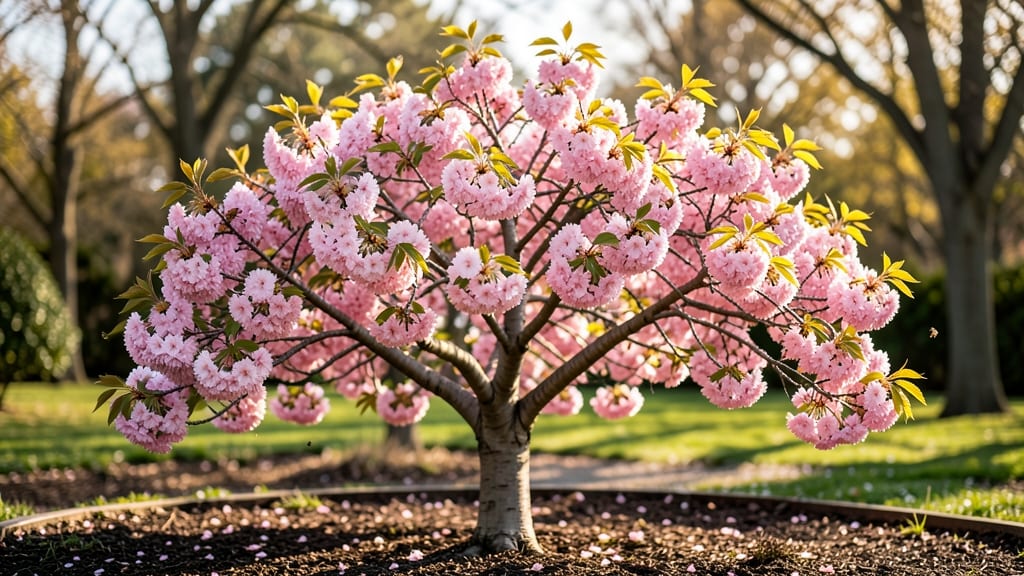
Planting a cherry blossom tree in the USA means fast spring color that transforms your yard into a dreamy, pink-hued escape—if you pick the right variety for your zone. 🌸 I’ve watched my Yoshino cherry explode into bloom in just 5-7 days after the last frost, and the secret lies in matching the tree to your climate.
Some varieties, like the Kwanzan, even rebloom later in summer, giving you double the magic.
The fastest bloomers thrive in zones 5-8, where they get full sun and well-draining soil. Most need 6-8 hours of sunlight daily, and their shallow roots hate soggy feet—so amend clay soil with compost before planting.
Prune in late winter to shape the tree and remove dead branches, but avoid heavy cuts that delay blooming. Patience pays off: a well-cared-for tree can live 50+ years and become your yard’s centerpiece.
You’ll love waking up to petals drifting like snow, but timing is everything—late frosts can damage buds. Mulch heavily in winter to protect roots, and water deeply once a week during dry spells.
The payoff? A canopy of blossoms that outshines store-bought cut flowers and attracts bees early in the season. Even urban yards can handle these trees if you choose dwarf varieties like ‘Stella Compact.’
Common challenges—like powdery mildew or weak wood—are easy to prevent with proper spacing and pruning. Once established, cherry blossoms need minimal care beyond seasonal cleanup. Whether you’re in the South or Midwest, the right variety will turn your landscape into a springtime showstopper year after year.
📚 In This Guide
- What you need
- Instructions
- Tips and common mistakes
- Wrapping up and next steps
What you need
- ● Cherry Blossom Tree (Prunus serrulata) – Choose a fast-blooming variety like ‘Kanzan’, ‘Shirotae’, or ‘Somei-Yoshino’ (check climate zone compatibility).
- ● Planting Hole – 2-3x wider and deeper than the root ball.
- ● High-Quality Soil – Well-draining, slightly acidic (pH 6.0-7.0) mix (e.g., 50% native soil + 50% compost).
- ● Organic Mulch – 2-3 inches of wood chips or shredded bark (keeps roots cool and moist).
- ● Watering Can or Hose – With a gentle spray nozzle for post-planting care.
- ● Shovel or Spade – For digging the planting hole.
- ● Garden Gloves – To protect your hands from thorns and soil.
- ○ Pruning Shears – For trimming dead branches (optional but helpful).
- ● Stakes & Twine – If planting in windy areas (1-2 stakes per tree).
- ○ Fertilizer (Optional) – Slow-release balanced fertilizer (10-10-10) or organic options like fish emulsion.
- ● Sunlight – 6+ hours of full sun daily (partial shade in hot climates).
- ● Climate Zone – USDA Zones 5-8 (check your zone here).
- ● Space – Mature height of 20-30 feet (plant 15-20 feet from structures).
- ● Patience – Fast-blooming varieties may take 3-5 years to reach peak bloom.
How to select and plant fast-blooming cherry blossom trees in the USA
Here’s how to pick and plant varieties that burst into bloom quickly in your zone.
🌱 Step 1: Choose a Fast-Blooming Variety for Your Climate
For the fastest blooms, select early-season varieties like ‘Kanzan’ (USDA Zones 5-8) or ‘Autumn Royal’ (Zones 5-7), both known for vibrant, repeat blooms within 2-3 years of planting. Check your zone’s last frost date—most cherry blossoms need 600-1,000 chill hours to flower, so avoid late-spring plantings.
I always opt for grafted trees over bare-root—they’re more established and bloom sooner. Look for 1-2 inch caliper (trunk thickness) trees at nurseries; these mature faster than smaller specimens. Avoid weeping varieties like ‘Taff’s Weeping’ if speed is your goal—they take longer to establish.
☀️ Step 2: Pick the Right Location for Fast Blooms
Cherry blossoms thrive in full sun (6+ hours daily) and well-draining soil. A south-facing spot with afternoon shade in hot climates (Zones 7+) prevents leaf scorch and encourages stronger blooms. I dig a hole twice as wide as the root ball but only as deep—planting too deep suffocates roots and delays flowering.
Test your soil’s drainage first: dig a 12-inch hole, fill it with water, and wait. If it drains in under 4 hours, your soil’s fine. If not, amend with 3 inches of compost mixed into the native soil. Poor drainage = stressed trees = delayed blooms.
🪴 Step 3: Plant at the Right Time for Quick Establishment
Plant in early spring or fall, when temperatures are 40-60°F. Spring planting gives roots time to establish before summer heat, while fall plantings benefit from winter moisture. Avoid planting in summer heat or winter frost—both shock roots and slow growth.
Remove the tree from its container and loosen roots gently if pot-bound. Place it in the hole so the root flare (where roots meet trunk) sits 1-2 inches above soil level. Backfill with native soil, tamp lightly, and water deeply until soil settles. A 1-inch layer of mulch (keep it 6 inches from the trunk) retains moisture and speeds root growth.
💧 Step 4: Water and Fertilize for Fast Blooms
Water deeply 2-3 times weekly for the first month, then taper to once weekly once established. You’ll know it’s right when the top 6 inches of soil feel damp but not soggy. Overwatering in winter can rot roots, so reduce to monthly deep waterings in cold months.
Fertilize in early spring with a balanced 10-10-10 formula (follow label rates). Avoid high-nitrogen fertilizers—they promote leafy growth at the expense of flowers. I top-dress with 1 cup compost annually in late winter to feed roots gradually. Watch for new leaf growth in 3-4 weeks—that’s your sign the tree is thriving.
✂️ Step 5: Prune Strategically to Encourage Early Blooms
Prune immediately after flowering (late spring) to shape the tree and remove dead branches. Use clean, sharp pruners to cut just above a bud or branch collar. Avoid heavy pruning—cherry blossoms set flower buds on 1-year-old wood, so aggressive cuts reduce next year’s blooms.
Remove suckers (shoots at the base) and crossing branches that rub together. Thin out crowded areas to improve airflow—this prevents fungal diseases like powdery mildew, which weakens trees and delays flowering. You’ll see stronger growth and more buds forming within one growing season if pruned correctly.
Tips & tricks for fast-blooming cherry blossom trees
Speed up those springtime blooms with these pro tips that'll have your cherry blossom tree thriving in record time.
Variety Matters: While 'Kanzan' and 'Autumn Royal' are my top picks for speed, don't overlook 'Stella Compact' (Zones 5-8) - it's a dwarf variety that blooms just as quickly but stays manageable at 6-8 feet tall. For southern climates (Zones 8-9), 'Royal Anniversary' delivers early blooms with stunning pink flowers. Always verify your zone's chill hour requirements - some varieties need those 600-1,000 hours to set buds properly.
Root Ball Secrets: When selecting your tree, gently squeeze the root ball - it should feel firm but not rock-hard. If it's loose, the tree might be pot-bound and need immediate planting. I've found that trees with a slightly open root ball (where you can see 1-2 inches of roots) actually establish faster because they can spread immediately. Just be sure to loosen any circling roots before planting.
Soil Test Tip: That 4-hour drainage test is crucial, but here's what I do next: if your soil fails the test, mix in 3 inches of compost AND add a 2-inch layer of coarse sand or perlite to the bottom of the planting hole. This creates a drainage layer while still allowing roots to expand naturally. For heavy clay soils, consider planting in a raised bed for the first year to prevent root suffocation.
Watering Watch: During those first 2-3 weekly waterings, I use a simple trick to check moisture levels - insert a screwdriver into the soil. If it goes in easily for 6 inches, you're good. If it meets resistance, water again. This method is more reliable than just feeling the soil, especially in hot weather when surface soil can dry quickly while deeper roots stay moist.
Pro Tips for Cherry Blossom Tree Usa
- Speed up those springtime blooms with these pro tips that'll have your cherry blossom tree thriving in record time.
- Variety Matters: While 'Kanzan' and 'Autumn Royal' are my top picks for speed, don't overlook 'Stella Compact' (Zones 5-8) - it's a dwarf variety that blooms just as quickly but stays manageable at 6-8 feet tall.
- Root Ball Secrets: When selecting your tree, gently squeeze the root ball - it should feel firm but not rock-hard.
Frequently asked questions
Got questions about growing cherry blossom trees in the U.S.? You’re not alone! Here are answers to the most common queries to help you get started with confidence.
What’s the fastest-blooming cherry blossom tree for my climate zone?
The Yoshino (Prunus × yedoensis) and Autumn Royal varieties are top picks for quick blooms—often within 3–5 years. For colder zones (3–6), try Kwanzan (Prunus serrulata ‘Kwanzan’), while Shirotae thrives in warmer areas (7–9). Always check your USDA zone for best results!
How long does it take for a cherry blossom tree to bloom after planting?
Most cherry blossoms take 3–7 years to bloom, depending on variety, care, and climate. Dwarf varieties (like Okame) may flower faster (2–3 years), while standard trees can take up to a decade. Patience pays off—healthy soil and proper pruning speed up the process!
Can cherry blossom trees survive winter in cold climates (zones 3–5)?
Yes! Native varieties like Kwanzan and Mount Fuji are hardy down to -20°F (-29°C). Protect young trees with mulch and avoid late-season pruning. Ever-blooming types (e.g., Royal Burgundy) are also cold-tolerant but may need winter wrap for extra safety.
What’s the best alternative if I can’t grow a traditional cherry blossom?
Consider ornamental cherries like Prunus ‘Accolade’ (disease-resistant) or Prunus ‘Fashionably Late’ (longer bloom season). For smaller spaces, dwarf Japanese cherries (e.g., Tai Haku) offer stunning flowers with minimal upkeep. Even crabapple trees (like Malus ‘Royalty’) provide similar beauty!
Why aren’t my cherry blossoms blooming? Troubleshooting tips.
Common culprits:
- Age: Trees under 5 years may not bloom yet.
- Pruning mistakes: Avoid cutting in late winter—it removes next year’s buds!
- Poor nutrition: Test soil for nitrogen/phosphorus imbalances.
- Pests/disease: Japanese beetles or fungal spots (like powdery mildew) can stress trees.
Try fertilizing in early spring and inspecting for pests. If issues persist, consult a local arborist!
Wrapping up and next steps
From Yoshino to Autumn Royal, the right cherry blossom tree can transform your yard into a dreamy spring spectacle—even in less-than-ideal climates! 🌸 Whether you’re in Zone 5 or 9, these fast-blooming varieties offer beauty, resilience, and low-maintenance charm.
Now that you’ve got the perfect match for your space, why not plant one this weekend? Grab your gardening gloves, call a neighbor for help, and enjoy the magic of blossoms you’ll admire for years to come.
Pro tip: 💡 Snap a photo of your tree’s first bloom and share it with #MyCherryBlossomUSA—we’d love to see your progress!