
Propagation
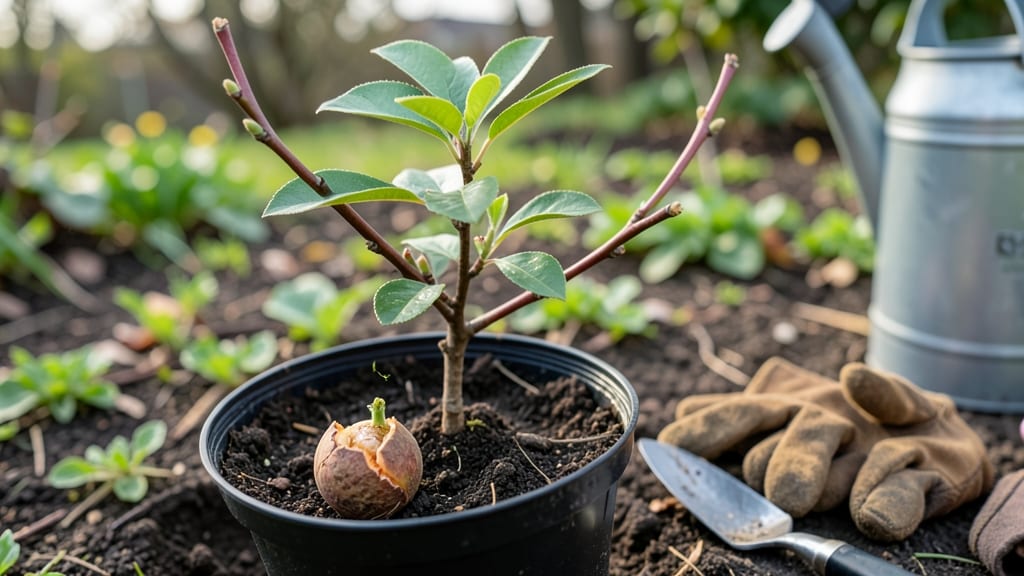
You can start a peach tree from a pit, but success depends on overcoming natural dormancy barriers and genetic unpredictability. Soak the pit for 24 hours in warm water, plant it in moist, well-draining soil, and maintain consistent warmth while waiting months—or even years—for potential sprouting.
Growing a peach tree from a pit is a rewarding but patient process, where nature's unpredictability plays a big role. 🌱 The hard outer shell of the pit often resists water absorption, while the inner seed may require additional time to break dormancy.
Unlike commercial grafts, homegrown trees may take 3-5 years to bear fruit—and even then, the quality and flavor might differ from the parent tree. I've found that using pits from organic, ripe peaches improves success rates slightly, though there are no guarantees.
For best results, plant multiple pits together to increase your chances of at least one sprouting. The key is creating ideal conditions: warm soil temperatures (around 70°F), consistent moisture, and indirect sunlight during the early stages.
Once seedlings appear, they'll need careful nurturing as they mature into potential fruit-bearing trees.
💡 In This Article
- Peach Pit Germination Science: Why Success Rates Are Low
- Step-by-Step Guide to Growing a Peach Tree from a Seed Pit
Peach pit germination science: why success rates are low
Peach pits face two major biological hurdles that explain their low germination rates. First, the hard outer shell acts as a physical barrier, preventing water from reaching the embryo inside. This shell contains a compound called cyanogenic glycoside, which creates a natural resistance to early germination.
Even when soaked, many pits fail to absorb enough moisture to trigger metabolic activity in the seed.
The second challenge is called double dormancy—a two-phase process where the seed first needs to overcome physical dormancy (the hard shell) before entering physiological dormancy (internal biochemical blocks). Some pits require stratification (cold treatment) after scarification to break these internal dormancy cycles.
Without proper conditions, the seed may remain dormant for months or even years, which is why patience becomes your most important tool. 🌱
Temperature plays a critical role in breaking dormancy. Peach seeds germinate best in soil temperatures between 68-75°F, but they need consistent warmth—below 60°F or above 85°F can stall germination entirely. This explains why indoor propagation often fails: home environments rarely maintain these precise temperature ranges.
The seed's sensitivity to heat fluctuations mirrors how peach trees thrive in temperate climates with distinct seasons.
Genetic variability adds another layer of unpredictability. While the parent tree might produce sweet, juicy peaches, the seed-grown offspring could inherit completely different traits—perhaps smaller fruit, thinner flesh, or even a different color. This genetic inconsistency is why commercial orchards use grafting instead of seeds: they guarantee consistent fruit quality.
When you grow from a pit, you're essentially rolling the botanical dice with nature's genetic lottery. ✨
Moisture management is equally critical. The pit must stay consistently damp but never waterlogged—excess moisture can cause rot before germination begins. I've found that planting pits in a mix of 50% potting soil and 50% perlite creates ideal drainage while maintaining humidity.
This balance mimics the forest floor conditions where wild peach trees naturally regenerate, giving your seed the best chance to break dormancy.
One surprising factor is light exposure during early growth. While mature peach trees need full sun, newly germinated seedlings prefer indirect light to prevent stress. This is why many gardeners cover seed trays with shade cloth until the first true leaves appear.
The delicate seedlings are particularly vulnerable to temperature swings and dehydration, making this early stage the most critical period for survival. 💫
Understanding these scientific barriers helps explain why success rates hover around 30-40% even with perfect conditions. The combination of physical dormancy, genetic unpredictability, and precise environmental needs creates a perfect storm of challenges for the home gardener.
But when it works—when that first green shoot breaks through the soil—it's one of the most rewarding experiences in plant propagation. The key is managing what you can control: warmth, moisture, and patience.