
Container Gardens
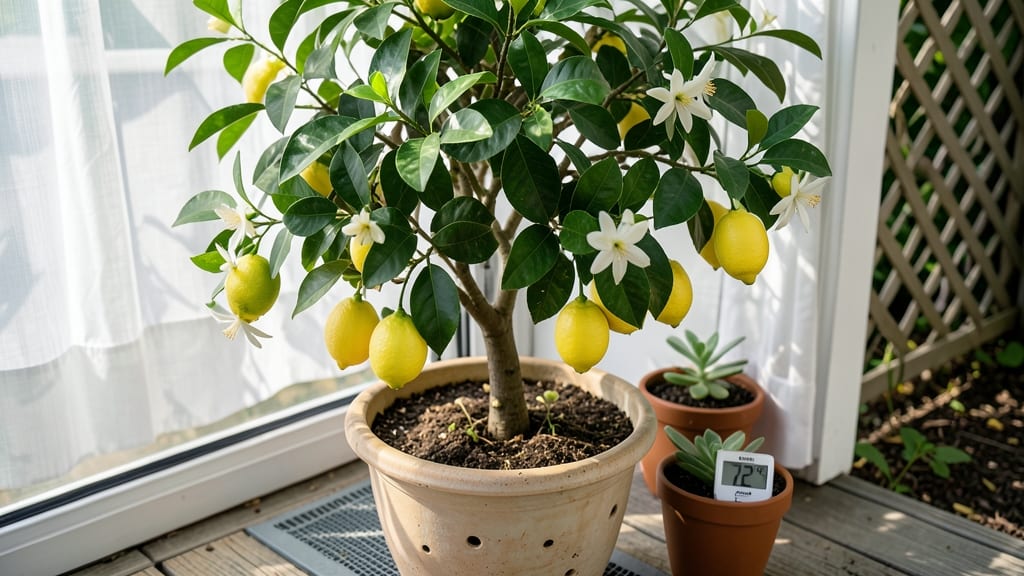
You can grow a lemon tree in Illinois using cold-resistant varieties like 'Meyer' or 'Improved Meyer,' but they perform best when grown indoors year-round or in containers that can be moved outdoors during summer months. Outdoor planting demands winter protection, while indoor trees require ample sunlight and steady warmth.
Illinois's harsh winters make outdoor lemon tree cultivation challenging, but with the right approach, you can still enjoy fresh lemons. 🌱 The 'Meyer' variety, for example, tolerates temperatures down to 15°F—colder than standard lemons—which explains why it's the top choice for northern climates.
For outdoor planting, use thick mulch and protective wraps during winter, or move potted trees to a garage before the first frost. Indoor trees need at least 6-8 hours of sunlight daily, preferably near a south-facing window, to prevent leggy growth and ensure fruit production.
What sets these cold-hardy varieties apart is their ability to handle temperature fluctuations better than traditional lemon trees. While they may still need some winter care, their resilience makes them ideal for Illinois gardeners who want to grow citrus without constant indoor maintenance.
The key is balancing exposure to sunlight with protection from freezing temperatures—whether that means bringing containers inside or insulating outdoor plantings.
💡 In This Article
- Cold-Hardy Lemon Tree Varieties for Illinois Climates
- Indoor vs Outdoor Lemon Tree Care in Illinois
Cold-hardy lemon tree varieties for Illinois climates
The 'Meyer' lemon tree stands out as Illinois's best option because it can withstand temperatures as low as 15°F—a dramatic improvement over standard lemons, which die below 28°F. This cold tolerance comes from its hybrid genetics, combining traits from true lemons and mandarins.
The tree's smaller size (6-10 feet tall) makes it perfect for containers, reducing wind exposure that worsens frost damage. 🌬️
'Improved Meyer' takes cold resistance further, often surviving 10°F with proper protection, while producing sweeter, larger fruit than the original Meyer. The Eureka variety, though less cold-hardy (25°F limit), can work in Illinois if given extra winter insulation.
All these varieties share a similar growth habit: slow, steady expansion that avoids the rapid wood development of tropical lemons, making them more flexible when temperatures drop.
Illinois's USDA zones (5-7) create unique challenges. In zone 5, even cold-hardy varieties need winter protection, while zone 6-7 gardeners can attempt outdoor planting with mulching. The key difference lies in how these trees handle freeze-thaw cycles—Meyer varieties develop thicker bark over time, acting like natural insulation.
This adaptation explains why established trees often survive winters better than young specimens.
Fruit production also varies by variety. Meyer trees bear fruit year-round in warm climates but may need 8-10 hours of sunlight daily in Illinois to set fruit at all.
The Improved Meyer's larger flowers mean higher pollination success, but both types produce smaller lemons than tropical varieties—typically 2-3 inches in diameter. The trade-off is worth it for Illinois growers who prioritize survival over massive harvests.
What most people overlook is how these varieties respond to Illinois's humidity fluctuations. The thick, waxy leaves of cold-hardy lemons reduce water loss during dry winter winds, while their shallow root systems allow quick recovery when spring arrives.
This dual adaptation explains why container-grown specimens often outperform in-ground plantings in northern climates.
For visual comparison, imagine a Meyer tree's glossy, dark green leaves standing out against Illinois's winter landscape—far more resilient than the delicate foliage of tropical lemons. The tree's ability to drop some leaves during extreme cold (a survival mechanism) further demonstrates its adaptability to northern climates. 🌿