
Trees
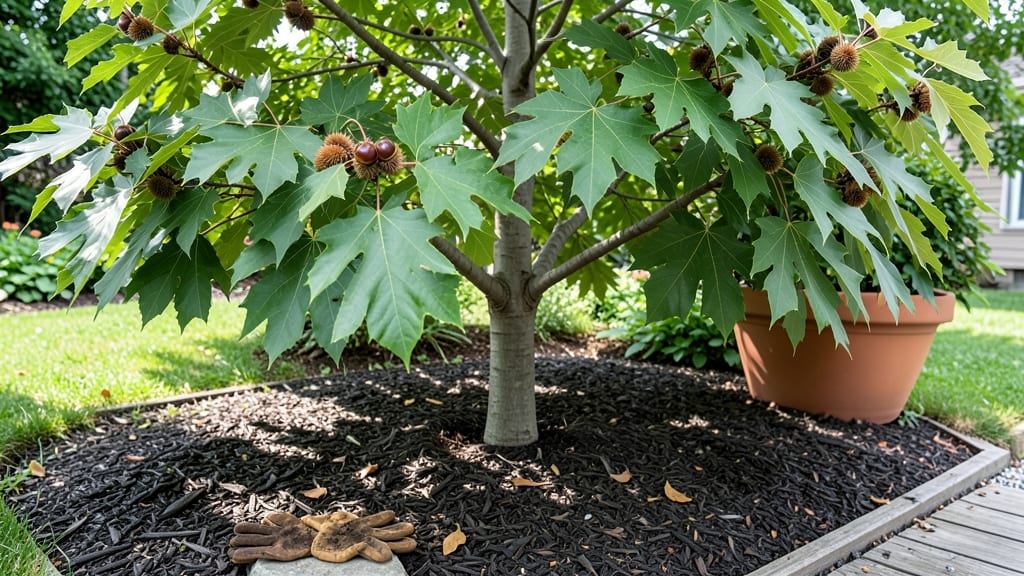
For buckeye trees in Colorado, California buckeye (Aesculus californica) and horse chestnut varieties perform best in USDA zones 5-9, requiring well-drained soil and partial shade. Native options like Colorado blue columbine offer safer alternatives without invasive risks.
Colorado's climate presents unique challenges for traditional buckeye species, which often struggle with the state's dry conditions and high elevations. 🌳 The California buckeye, however, adapts well to Colorado's USDA zones 5-9, thriving in partial shade and well-drained soil.
Native alternatives like blue columbine not only avoid invasive risks but also support local ecosystems, making them ideal for gardeners focused on sustainability.
When selecting buckeye alternatives, consider soil pH and moisture levels—most native species prefer slightly acidic to neutral conditions. For example, bottlebrush buckeye (Aesculus parviflora) handles drought better than traditional varieties, while honey locust (Gleditsia triacanthos) offers hardiness in high-altitude zones.
These adaptations make them excellent choices for Colorado landscapes.
💡 In This Article
- Colorado’s Best Buckeye Alternatives and Their Native Adaptations
- Planting and Care Guide for Non-Invasive Buckeye Lookalikes in Colorado
Colorado’s best buckeye alternatives and their native adaptations
Traditional buckeye species like the Ohio buckeye (Aesculus glabra) face challenges in Colorado due to the state's arid climate and high elevations. These trees prefer moist, well-drained soils and can struggle with Colorado's low humidity and dry winds, which cause leaf scorch and stress.
The California buckeye (Aesculus californica), however, has evolved to handle drier conditions, making it a better fit for Colorado's USDA zones 5-9. Its deep root system allows it to access groundwater, while its leathery leaves reduce water loss through transpiration.
For gardeners seeking native alternatives, the bottlebrush buckeye (Aesculus parviflora) stands out for its drought tolerance and adaptability to Colorado's alkaline soils (pH 6.5-7.5). This species thrives in partial shade and can handle low-water conditions once established, making it ideal for Colorado's Front Range.
Another excellent option is the honey locust (Gleditsia triacanthos), which offers thornless varieties and tolerates high-altitude zones like Denver (elevation 5,280 ft) and Boulder (elevation 5,430 ft). Its compound leaves and yellow flowers provide seasonal interest without invasive risks.
Soil composition plays a critical role in success. Most native alternatives prefer loamy, well-drained soils with organic matter, but they can adapt to sandy or clay-heavy soils if amended with compost.
For example, blue columbine (Aquilegia caerulea), a native wildflower often paired with buckeye lookalikes, thrives in poor, rocky soils—a common trait in Colorado's mountainous regions. This adaptability makes it a low-maintenance companion for buckeye alternatives in garden beds or naturalized areas.
Colorado's climate also demands attention to cold hardiness. While California buckeye can withstand -15°F temperatures, some native substitutes like the bottlebrush buckeye extend this range to -30°F, making them suitable for higher elevations.
The key is selecting species with deep root systems to avoid winter desiccation, a common issue in Colorado's freezing temperatures. Mulching with 3-4 inches of organic matter (e.g., wood chips or straw) helps insulate roots during winter.
Visual appeal is another factor. Native alternatives often feature unique foliage and flowers that complement Colorado's landscapes. For instance, the honey locust's golden fall foliage contrasts beautifully with evergreens, while the bottlebrush buckeye's candelabra-like flower clusters attract pollinators like bees and hummingbirds.
These traits make them valuable additions to both residential gardens and conservation projects.
Consider these key adaptations when choosing alternatives:
- Drought tolerance: Bottlebrush buckeye and honey locust thrive with 1 inch of water per week once established.
- Soil flexibility: Blue columbine and California buckeye adapt to pH 6.0-8.0, covering Colorado's typical alkaline soils.
- Cold hardiness: Honey locust handles -40°F in protected microclimates, outperforming traditional buckeyes.
By selecting these native-adapted species, you're not only avoiding invasive risks but also supporting Colorado's delicate ecosystems. Their resilience and beauty make them perfect for both urban and rural landscapes. 💫