
Blooming
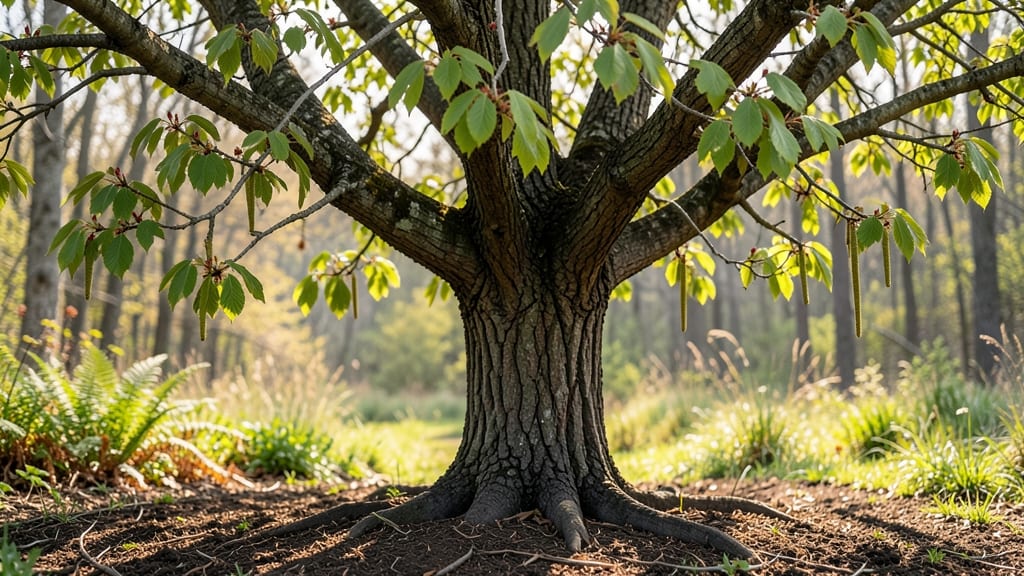
The black walnut tree bloom arrives like a whisper of spring—tiny green catkins that promise future shade and harvest. 🌿 I’ve watched my own trees transform from bare branches to lush canopies, and the secret to their graceful growth starts with strategic pruning in late winter, before new shoots emerge.
This isn’t just about aesthetics; it’s about directing energy to where it matters most—those delicate blooms that later become the prized nuts.
Timing is everything: prune when the tree is dormant but before buds swell, usually in February or March in most climates. You’ll remove dead wood and shape the canopy to let sunlight reach the inner branches where those early blooms form.
The goal? A balanced tree that doesn’t overcrowd its own growth, ensuring every bloom gets the light and air it needs to thrive. Think of it as giving your tree a spa day—less stress, more beauty.
What you’ll end up with is a tree that blooms reliably year after year, its catkins turning into heavy, fragrant clusters of nuts by late summer. The pruning also opens up the canopy, making it easier to spot pests like walnut husk fly early—before they cause damage.
And here’s the bonus: those strategic cuts reduce the risk of fungal diseases by improving airflow through the branches.
Works for both young saplings and mature trees, though the approach scales with size. Start small, observe how the tree responds, and adjust your cuts each year.
Before you know it, you’ll have a black walnut that’s not just surviving, but thriving—with blooms that lead to a bounty of nuts and a canopy that’s the envy of the neighborhood.
📚 In This Guide
- What you need
- Instructions
- Tips and common mistakes
- Wrapping up and next steps
What you need
- ● Pruning shears: Bypass pruners (for cuts up to ¾ inch thick) – 1 pair (look for sharp, ergonomic handles for comfort).
- ● Loppers: Bypass or anvil type (for cuts up to 2 inches thick) – 1 pair (pivoting joints are ideal for heavy branches).
- ● Pruning saw: Curved-tooth handsaw (for larger branches 2+ inches thick) – 1 (avoid cheap saws—they dull quickly!).
- ● Gloves: Heavy-duty leather or nitrile-coated (to protect from thorns and jagged edges) – 1 pair (waterproof if pruning in wet conditions).
- ● Safety gear: Safety glasses (with side shields) – 1 pair (to guard against debris).
- ○ Ear protection (optional but recommended for loud saws) – 1 pair.
- ● Long sleeves and pants (to prevent scratches from branches/thorns).
- ● Disinfectant: 70% isopropyl alcohol or bleach solution (1 part bleach to 9 parts water) – small spray bottle or rag (to sterilize tools between cuts and avoid disease spread).
- ● Ladder or extension pole: Aluminum or fiberglass (stable, tall enough to reach the tree’s canopy) – 1 (3-section ladders work well for most black walnuts).
- ● Heavy-duty trash bags: Contractor-style, 30+ gallon – 2-3 bags (for collecting pruned branches and debris).
- ● Tree wound dressing: Pruning sealant (controversial but useful for large cuts to prevent decay) – 1 small tub.
- ● Marking spray: Bright-colored paint or tape (to mark branches for removal before cutting) – 1 can.
- ● Pole pruner: Extensible loppers (for high branches without a ladder) – 1.
- ● Work buddy: Spotter or helper (to hold the ladder or assist with heavy branches) – 1 enthusiastic friend!
Strategic pruning to enhance black walnut tree blooms
Here’s how to prune your black walnut tree for vibrant blooms and lasting health—no guesswork involved.
🌿 Step 1: Identify the Right Time to Prune
Black walnut trees bloom in spring, so prune during late winter or early spring—before buds swell but after the worst cold snaps. This timing ensures you remove dead wood while preserving next year’s flower buds. Avoid pruning in fall, as new cuts won’t heal properly before winter sets in.
Look for dormant branches—they’re easier to spot without leaves. Focus on removing dead, diseased, or crossing branches first. These compete with healthy growth and can block sunlight from reaching the canopy, where blooms form. Use a sharp pair of pruning shears to make clean cuts at a 45-degree angle, just outside the branch collar.
✂️ Step 2: Remove Dead and Crowded Branches
Start by cutting back any dead or broken branches—they drain energy from the tree and can harbor pests. Black walnut trees have a dense canopy, so prioritize removing branches that rub against each other or grow inward. These create wounds and limit airflow, which can reduce bloom quality.
If a branch is thicker than 4 inches in diameter, use a pruning saw instead of shears. Make your cut just outside the branch collar (the swollen area where the branch meets the trunk). This ensures the tree seals the wound naturally. Never leave stubs—this invites rot and weakens the tree’s structure.
☀️ Step 3: Thin the Canopy for Better Light and Airflow
Black walnut trees need sunlight to reach the inner branches for strong blooms. Thin the canopy by removing up to 25% of the smallest branches—focus on those growing toward the center or upward. This opens the tree up, allowing light to penetrate and encouraging more flowers.
Watch for suckers (shoots growing from the base or trunk) and remove them immediately. These steal nutrients from the main tree. Use clean, sharp tools to avoid tearing bark, which can introduce diseases. After pruning, step back and visualize sunlight hitting the lower branches—this is your goal.
🌱 Step 4: Shape for Balance and Future Growth
Black walnut trees grow tall and wide, so prune to maintain a balanced shape while encouraging upward growth. Remove low-hanging branches that drag on the ground, as they can rot or get damaged. Aim to create an open-center structure, which improves airflow and reduces disease risk.
If your tree has multiple leaders (central upright branches), select the strongest one and prune the others back to a side branch. This prevents weak forks and ensures the tree grows straight. Step back occasionally to check your progress—your goal is a tree that looks natural but is structurally sound.
⏰ Step 5: Post-Pruning Care for Recovery
After pruning, water deeply to help the tree recover. Black walnut trees have deep roots, but pruning still stresses them. Apply 2-3 inches of mulch around the base (but not touching the trunk) to retain moisture and suppress weeds. This also keeps the soil cool, which benefits root growth.
Monitor the tree for new growth in spring—this signals successful pruning. Avoid over-fertilizing immediately after pruning, as the tree needs time to adjust. If you notice yellowing leaves or wilting, it may be stressed, so reduce watering slightly until it stabilizes. With proper care, your black walnut will reward you with vibrant blooms and lush foliage for years.
Tips & tricks for perfect black walnut tree pruning
Here's what nobody tells you about getting the most out of your black walnut tree's blooms—these tricks will make all the difference.
Timing is Everything: The late winter to early spring window is critical because it lets you remove dead branches without disturbing next year's flower buds. I once pruned in fall and ended up with weak growth the following spring—don't make my mistake! If you absolutely must prune outside this window, wait until after the blooms appear in spring, but you'll miss out on the best results.
Branch Collar Matters More Than You Think: That swollen area where branches meet the trunk isn't just decoration—it's your tree's natural healing mechanism. Always cut just outside the branch collar at a 45-degree angle to prevent unsightly stubs that can rot. I've seen too many trees with ugly stubs that never healed properly, so take your time with this step.
Canopy Thinning Strategy: When you're removing up to 25% of the smallest branches, focus on the ones growing inward or toward the center. This might seem counterintuitive, but it's what creates that open center structure that lets sunlight reach all your blooms. Think of it like opening a window blind—you want light to penetrate to the very center of your tree's canopy.
Equipment Upgrade: Invest in a good pair of pruning shears and a pruning saw if you don't already have them. The right tools make all the difference, especially when dealing with branches thicker than 4 inches. I use my pruning saw for anything larger than my wrist—it's worth the investment for cleaner cuts that heal better. And always sterilize your tools between cuts to prevent spreading disease.
Pro Tips for Black Walnut Tree Bloom
- Here's what nobody tells you about getting the most out of your black walnut tree's blooms—these tricks will make all the difference.
- Timing is Everything: The late winter to early spring window is critical because it lets you remove dead branches without disturbing next year's flower buds.
- Branch Collar Matters More Than You Think: That swollen area where branches meet the trunk isn't just decoration—it's your tree's natural healing mechanism.
Frequently asked questions
When is the best time to prune a black walnut tree to encourage blooms?
Prune black walnut trees in late winter or early spring (before buds swell) to avoid spreading thousand cankers disease via pruning wounds. Avoid pruning in fall—this can stress the tree and attract pests. For blooms, focus on removing dead, diseased, or crossing branches to improve airflow and sunlight exposure.
Why isn’t my black walnut tree blooming?
Black walnut trees are dioecious, meaning male and female flowers grow on separate trees. If yours isn’t blooming, it might be a male tree (catkins) or simply too young (they bloom at 15–20 years). Poor health, nutrient deficiencies, or over-pruning can also stunt blooms. Test soil pH (ideal: 6.0–7.5) and fertilize with nitrogen if needed.
Can I prune a black walnut tree during bloom season?
Avoid heavy pruning while the tree is in bloom (typically spring). Focus on light maintenance (e.g., removing broken branches) to protect pollinators and minimize stress. Save major pruning for dormant season. If you must prune during bloom, sterilize tools and work on overcast days to reduce harm to bees.
Are there alternatives to black walnut trees for shade and blooms?
Yes! Consider butternut (white walnut) for similar benefits but fewer pests, or hackberry for fast growth and small white blooms. For fragrant spring flowers, try redbud or serviceberry. If you love walnuts, English walnut is another option—though it’s less cold-hardy.
How do I know if my pruning cuts are healing properly?
Healthy pruning wounds should seal within 1–2 weeks with calloused tissue. If cuts ooze sap for months or develop black streaks, it may signal thousand cankers disease. Use pruning paint only on cuts larger than 2 inches—small cuts heal better without it. Monitor for fungal growth (moldy spots) and treat with copper fungicide if needed.
Wrapping up and next steps
Watching your black walnut tree bloom with vibrant, year-round grace is a rewarding experience—and with the right pruning techniques, it’s absolutely achievable! 🌿 By mastering the timing, tools, and methods outlined here, you’ll not only enhance its beauty but also promote healthier growth and longevity.
Now that you’re armed with knowledge, roll up your sleeves and schedule your next pruning session—your tree (and future harvest!) will thank you.
Ready to take action? Start small:
- Pick a calm, dry day for your first session.
- Grab your pruners and safety gear from the list above.
- Observe your tree’s natural shape and begin with confidence!