
Diseases
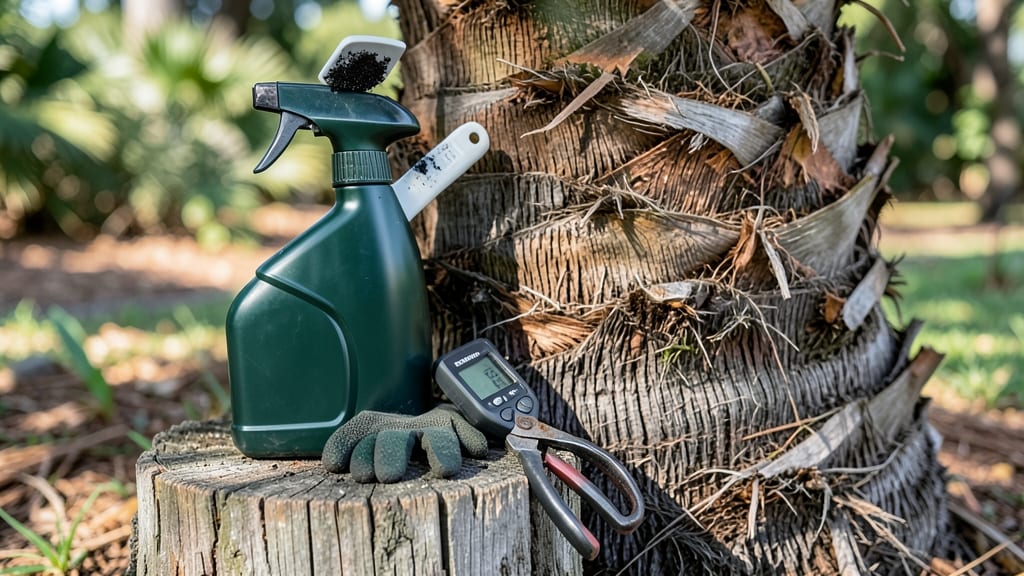
That velvety black fungus on the palm tree trunk isn’t just dirt—it’s a fungal blight that can weaken your tree if ignored. 🌿 I’ve seen healthy palms turn sickly in months when this goes untreated, but the good news? You can stop it with simple, organic fixes that work fast.
The fungus thrives when sap-sucking insects (like mealybugs or scale) leave behind sticky residue—perfect food for the black mold. Most people panic and grab harsh chemicals, but the real solution starts with controlling those pests first.
A strong spray of neem oil or insecticidal soap cuts off the food source, and the fungus starves within days. Once you’ve cleaned up the mess, keep your palm healthy with proper watering (never soggy soil) and occasional fungicide sprays made from baking soda or copper.
The key is consistency—check your tree every two weeks during warm months, and you’ll catch new outbreaks before they spread. This works for all palm varieties, from small potted palms to towering outdoor specimens. The earlier you act, the easier it is to save your tree—and avoid costly replacements.
Why it happens
When you spot that unsightly black fungus creeping up your palm tree trunk, it’s rarely a random event—it’s usually a sign of underlying stress or environmental conditions.
Understanding these triggers helps you address the problem at its source. Here’s why fungal growth takes hold on palm trunks and how to recognize the red flags.
🌧️ Excess Moisture And Poor Drainage
Palm trees thrive in well-draining soil, but when water pools around the trunk or roots, it creates the perfect breeding ground for sooty mold or black fungus. Overwatering, heavy clay soil, or compacted ground prevent excess moisture from evaporating, leaving the trunk damp for prolonged periods.
Fungi like Phytophthora or Fusarium thrive in these soggy conditions, weakening the tree’s defenses.
Actionable fix: Improve drainage by amending soil with organic matter (like compost or perlite) and ensuring the base of the tree slopes slightly away from the trunk. Avoid overhead watering, which can splash water onto the trunk.
🍃 Weakened Tree Immunity From Stress
Palm trees under stress—whether from nutrient deficiencies, pests, or physical damage—are far more susceptible to fungal infections. For example, Ganoderma (a common black fungus) often attacks trees already weakened by root damage or poor nutrition.
Stress signals the tree to divert energy away from disease resistance, leaving it vulnerable to opportunistic fungi.
Actionable fix: Conduct a soil test to check for nutrient imbalances (like low potassium or nitrogen) and fertilize accordingly. Prune dead fronds promptly to reduce entry points for pathogens.
🌿 High Humidity And Lack Of Airflow
Palm trees in shaded, humid environments—like those under dense foliage or near water features—suffer from poor airflow. Stagnant air traps moisture against the trunk, creating a damp, dark microclimate that fungi adore.
Tropical and subtropical palms are especially prone to this because their natural habitats often have high humidity, but urban or indoor palms may struggle when conditions become too humid.
Actionable fix: Thin out surrounding vegetation to improve airflow and consider installing a small fan (for indoor palms) to reduce humidity near the trunk. Space trees appropriately to prevent overcrowding.
🪲 Physical Damage Or Wounds
Any injury to the palm trunk—whether from pruning cuts, storm damage, or even rodent gnawing—creates an open doorway for fungal spores. The rough, exposed tissue provides an easy entry point, and the fungus colonizes rapidly in the moist environment. Botryosphaeria and Cercospora are notorious for exploiting wounds.
Actionable fix: Always sterilize pruning tools with rubbing alcohol before cutting, and seal wounds with a fungicide-primer (like copper-based products) to prevent infection. Avoid rough handling of the trunk during maintenance.
🌡️ Extreme Temperature Fluctuations
While palms are generally heat-tolerant, sudden temperature swings—like cold snaps followed by warm, humid days—can shock the tree and lower its resistance. Fungi like Thielaviopsis take advantage of this weakened state, especially if the trunk remains damp during the transition.
Coastal palms, in particular, may face this issue when exposed to salt spray combined with poor airflow.
Actionable fix: Mulch around the base of the tree to moderate soil temperature and protect roots. If your palm is in a high-salt area, rinse the trunk occasionally with fresh water to reduce salt buildup.
Fixing Palm Tree Fungus Naturally
Now that you’ve identified the cause of that unsightly black fungus creeping up your palm tree trunk, it’s time to take action! The good news? Most fungal issues can be resolved with organic, DIY-friendly solutions—no harsh chemicals required.
Below, we’ve mapped out targeted fixes based on the root causes we covered earlier, along with preventive steps to keep your palm trees thriving.
If your palm tree is sitting in soggy soil, the first step is to improve drainage and adjust your watering habits.
- 🔥 Step 1: Check the Soil Dig a small hole (6–8 inches deep) near the base of the tree. If water pools or the soil feels damp after 24 hours, drainage is the issue.
- 🍳 Step 2: Amend the Soil Mix in organic matter like compost, coconut coir, or perlite to loosen heavy clay soils. For container palms, repot into a well-draining mix (cactus/succulent blend works well).
- 👨🍳 Step 3: Adjust Watering Water deeply but infrequently—only when the top 2–3 inches of soil are dry. Use a moisture meter for accuracy, or stick your finger in the soil to test.
- ⏰ Step 4: Elevate the Base (If Needed) If the trunk sits in standing water (common in tropical climates), create a slight mound of gravel or sand around the base to encourage runoff.
💡 Pro Tip: Mulch with wood chips or pine straw (2–3 inches deep) to retain moisture without suffocating roots—but keep it 6 inches away from the trunk to prevent rot.
Palms in hot, humid climates (or those suddenly exposed to high heat) are prime targets for black fungal growth. Combat it with:
- 🌿 Step 1: Prune for Airflow Thin out dense fronds to improve air circulation. Use sterilized pruners (wipe with rubbing alcohol) to avoid spreading spores.
- 💦 Step 2: Light Mist or Shade Cloth If your palm is in direct sun, provide 30–50% shade with a breathable shade cloth. For indoor palms, mist leaves daily with water (but avoid wetting the trunk).
- ✨ Step 3: Boost Humidity (Indoors) Place a humidifier nearby or set up a pebble tray with water under the pot. Aim for 40–60% humidity—palms love it!
- 🍄 Step 4: Organic Fungicide Spray Mix 1 tsp neem oil + 1 tsp baking soda + 1 quart water in a spray bottle. Apply every 7–10 days until the fungus clears. (Test on a small leaf first!)
🎯 Prevention Tip: Avoid over-fertilizing with nitrogen—it promotes soft, fungus-loving growth. Stick to a balanced palm fertilizer (like 8-2-12) in small doses.
If pests (like palm weevils or aphids) have already weakened your tree, boost its immunity while treating the fungus.
- 🔪 Step 1: Remove Infested Fronds Cut off blackened, mushy, or hollow fronds (a sign of weevil damage) below the infection point. Dispose of them in a sealed bag—do not compost!
- 🌿 Step 2: Apply Beneficial Microbes Drench the soil with mycorrhizal fungi (like Trichoderma) or beneficial bacteria (e.g., Bacillus subtilis). These outcompete harmful fungi naturally.
- 💪 Step 3: Feed with Potassium & Phosphorus Use a low-nitrogen fertilizer (like 0-10-10) to strengthen cell walls. Add wood ash (sparingly) for potassium.
- 🍄 Step 4: Copper or Hydrogen Peroxide Spray For stubborn cases, spray the trunk with:
- 1 tbsp copper sulfate + 1 gallon water (organic fungicide), or
- 3% hydrogen peroxide solution (1 part H₂O₂ to 3 parts water). Reapply weekly until healed.
🔥 Pro Tip: Ladybugs and lacewings are natural pest predators—introduce them to your garden to keep aphids/weevils in check!
If physical damage (cracks, scrapes) is letting fungus in, seal and shield the trunk.
- 🛡️ Step 1: Smooth Rough Spots Use a clean sandpaper to gently smooth cracks or peeling bark. Avoid removing healthy tissue.
- 🎨 Step 2: Apply a Natural Sealant Mix 1 part beeswax + 1 part coconut oil, melt gently, and brush onto the trunk. Avoid petroleum-based products—they trap moisture.
- 🌿 Step 3: Wrap with Organic Material For deep cracks, wrap the trunk with moistened burlap or coconut fiber, securing with twine. Replace every 3–6 months.
- 🌡️ Step 4: Monitor After Heavy Rain If your area gets frequent downpours, consider a breathable tree wrap (like burlap) to shield the trunk from prolonged moisture.
✨ Prevention Tip: Train vines or other plants away from the palm trunk—they can trap moisture and spread spores.
Once your palm is fungus-free, lock in those gains with these low-maintenance habits:
- 💧 Water Smart: Use a drip irrigation system (keeps water at soil level, not on leaves).
- 🌿 Prune Regularly: Remove dead fronds before they become fungus hotspots.
- 🍄 Clean Up Debris: Rake up fallen leaves and fronds—they harbor spores!
- 🌡️ Avoid Overhead Watering: Use a soaker hose or water at the base.
- 🔍 Inspect Monthly: Check the trunk for early signs (dark spots, ooze, softness).
Final Thought: Most palm fungus issues are preventable with proactive care. Start with one or two fixes based on your tree’s needs, and you’ll see improvement in 2–4 weeks.
If the problem persists, consult a local arborist—they can assess for advanced infections like Ganoderma butt rot (a serious but treatable condition).
Now grab your tools and give your palm tree the TLC it deserves! 🌴✨
Frequently asked questions
Is black fungus on my palm tree trunk always harmful?
Not all black fungus is dangerous—some are harmless sooty mold that grows on honeydew left by pests like aphids. The key difference? Harmless mold is powdery and superficial, while dangerous fungal growth (like Ganoderma) causes trunk rot, oozing sap, or soft spots. If you see these signs, act fast—harmless mold can turn problematic if left unchecked.
Can I use bleach to clean black fungus off my palm trunk?
Never use chlorine bleach on palm trunks—it burns the bark and harms beneficial microbes in the soil. Instead, scrub with a mix of 1 part water + 1 part vinegar (for mild cases) or 3% hydrogen peroxide (1:3 ratio). Always rinse thoroughly afterward to prevent chemical buildup.
How often should I check my palm tree for fungus?
Inspect your palm trunk every 2 weeks during warm months (spring through fall) and monthly in winter. Early detection is key—catching black fungus before it spreads saves time and prevents tree damage. Focus on the base, cracks, and areas where fronds meet the trunk.
Will pruning help if my palm already has black fungus?
Yes, but only if you prune correctly! Remove only dead or severely infected fronds—never healthy ones. Sterilize your tools with rubbing alcohol first, and dispose of infected debris in sealed bags (not compost). Pruning improves airflow, which helps existing fungus dry out faster.
When should I call an arborist for black fungus?
Contact a professional if you see large black shelf-like fungi (like Ganoderma), oozing sap, or if the trunk feels soft to the touch. These signs indicate advanced rot that may require systemic treatments or even tree removal. Don’t wait—early intervention prevents costly damage!