
Trees
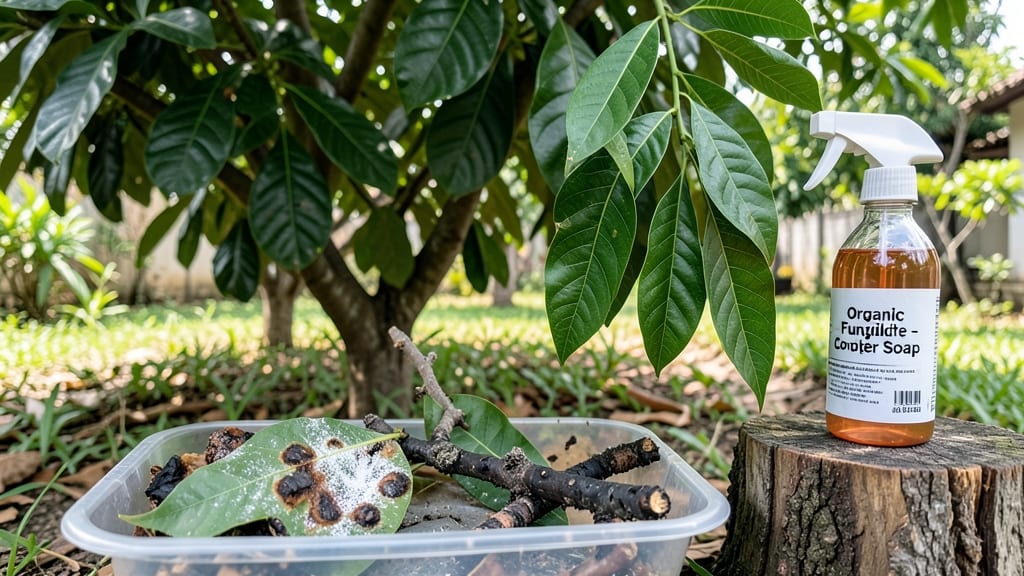
Your mango tree’s fungus-covered leaves aren’t just unsightly—they’re stealing nutrients and energy that could be feeding fruit. 🌿 I’ve battled powdery mildew, anthracnose, and sooty mold on my own tree, and these organic fixes saved it without harsh chemicals. The key? Catching it early and treating it right.
Fungal spores thrive in warm, humid conditions, so overcrowded branches or poor airflow are usually the culprits. You’ll spot them as white powder, black spots, or sticky residue on leaves—all signs your tree is under attack.
The good news? Most home gardeners can tackle this with simple tools and a little prevention.
By pruning infected branches, applying neem oil or baking soda spray, and improving airflow, you’ll see healthier leaves in 2-3 weeks. The best part? These methods work for other tropical trees too, so you’re not just saving your mango—you’re building a stronger garden ecosystem.
If the fungus spreads to the trunk or fruit, though, it’s time to call in a pro. Otherwise, these organic fixes will have your tree thriving—and producing—again. Let’s get those leaves clean and growing!
Root Causes Of Tree Fungus
Fungal infections in mango trees rarely happen by accident—they thrive when specific conditions align. Understanding the why behind these outbreaks helps you take targeted action before your tree’s health declines. Below are the most common triggers, explained in clear, actionable terms.
Fungi love damp environments, and mango trees become prime targets when their roots or leaves stay wet for too long. Here’s how it happens:
- Overwatering or heavy rainfall creates a soggy soil environment, where fungal spores like Anthracnose or Powdery Mildew germinate rapidly.
- Compacted or clay-heavy soil prevents proper drainage, trapping moisture near the roots and inviting root rot (often caused by Phytophthora or Armillaria).
- Poor air circulation—whether from dense foliage or overcrowded trees—traps humidity against leaves, making them sticky and prone to fungal spores.
💡 Pro Tip: Test your soil’s drainage by digging a 6-inch hole, filling it with water, and timing how long it takes to drain. If it’s slower than 4 hours, amend with sand, perlite, or organic matter (like compost) to improve airflow.
A healthy mango tree’s natural defenses—like waxy leaf cuticles and beneficial microbes—keep fungi at bay. When these weaken, infections take hold:
- Nutrient deficiencies (especially potassium, calcium, or zinc) make leaves less resilient.
Fungi exploit these gaps, often causing leaf spots or cankers. - Physical stress from pruning wounds, hail, or insect damage creates entry points for pathogens like Fusarium or Botryosphaeria. - Over-fertilization with nitrogen (without balancing micronutrients) leads to soft, sappy growth—a fungal buffet.
Think of it like a human eating too much sugar: weak immunity = easy infections.
✨ Actionable Fix: Conduct a soil test to check nutrient levels. If deficient, apply balanced organic fertilizers (like 5-5-5 NPK) and mulch with compost to boost microbial activity.
Fungal spores are lightweight and persistent. They hitchhike on tools, wind, or even nearby infected plants:
- Reusing pruners or grafting tools without sterilization spreads spores like Colletotrichum (Anthracnose) from one cut to another.
- Wind or rain splashing carries spores from infected leaves to healthy ones, especially in monoculture orchards (all mango trees in one area).
- Infected nursery stock or grafted scions can introduce dormant fungi that flare up later.
🔥 Prevention Tip: Always sterilize tools with 70% rubbing alcohol or bleach solution (1:10 ratio) between uses. Remove and dispose of infected leaves in sealed bags—do not compost them.
Fungi don’t just appear—they wait for the perfect storm. Mango trees are most vulnerable when:
| Fungal Pathogen | Triggering Conditions | Symptoms to Watch For |
|---|---|---|
| Anthracnose | Warm (75–90°F), humid nights + frequent rain | Sunken, dark spots on leaves/fruit |
| Powdery Mildew | Cool (60–80°F), dry days + high humidity at night | White, powdery coating on leaves |
| Root Rot (Phytophthora) | Waterlogged soil + temps above 80°F | Wilting, yellowing leaves; mushy roots |
| Canker (Botryosphaeria) | Wounds + dry, windy seasons | Sunken, cracked bark with oozing sap |
🎯 Key Takeaway: Monitor local weather forecasts and prune during dry periods to minimize fungal exposure. If rain is forecasted, apply preventive fungicides (like neem oil or copper-based sprays) as a shield.
Some insects don’t just damage leaves—they create the perfect fungal nursery.
For example: - Mango hoppers pierce leaves, leaving sticky honeydew that molds grow on. - Scale insects weaken trees by sucking sap, making them susceptible to sooty mold. - Termites or borers create entry points for wood-rotting fungi like Armillaria.
👨🍳 Quick Fix: Introduce beneficial insects (like ladybugs) or use kaolin clay sprays to deter pests. Remove infested branches immediately to stop the cycle.
Quick Fixes for Tree Leaf Problems
Fungal infections on mango trees can feel overwhelming, but with the right approach, you can restore your tree’s health—naturally. Below are targeted solutions for common fungal issues, from early-stage blight to severe infections, plus prevention tips to keep your tree thriving. 🌿💧
If you spot dark spots, powdery white patches, or yellowing leaves, these are classic signs of anthracnose or powdery mildew—two of the most common mango tree fungi. Here’s how to tackle them:
🔥 Prune and Clean (Immediate Action)
- Remove infected leaves and fruit 🪒
- Cut off all affected foliage (including branches with lesions) using sterilized pruners (wipe with rubbing alcohol between cuts).
- Bag and dispose of infected material in the trash (do not compost it—fungus spores can survive).
- Thin out dense branches 🌳
- Overcrowded canopies trap moisture, fueling fungal growth. Aim for good airflow by pruning to open the tree’s structure.
💧 Organic Fungicide Sprays (Fast Relief)
Use homemade or store-bought organic sprays every 7–10 days until symptoms disappear: - Baking soda spray (for powdery mildew): Mix 1 tbsp baking soda + 1 tsp dish soap + 1 gallon water.
Spray early morning (avoid direct sunlight). - Neem oil solution (for anthracnose): Combine 2 tbsp neem oil + 1 tsp mild soap + 1 gallon water.
Shake well and spray evenly on both leaf sides. - Copper fungicide (for severe cases): Use ready-to-use organic copper sprays (follow label instructions). Reapply after rain.
🌡️ Adjust Care for Faster Recovery
- Water at the base (not overhead) to keep leaves dry.
- Avoid late-season fertilization—too much nitrogen weakens trees, making them fungus-prone.
- Mulch with straw or wood chips (3–4 inches deep) to reduce soil splashes onto leaves.
If your mango tree shows large brown patches, wilting, or mushroom-like growth at the base, you’re dealing with root rot or advanced blight. These require aggressive treatment:
🔪 Emergency Pruning (Save the Tree)
- Cut back dead/dying branches 🪓
- Remove any branch with 50%+ leaf loss—fungus spreads quickly.
- Sterilize tools between cuts to prevent cross-contamination.
- Dig and inspect roots 🌱
- Gently loosen soil around the base. If roots are black, mushy, or smell rotten, trim them with sterilized shears.
- Replant with fresh, well-draining soil (mix in perlite or coconut coir).
💊 Soil Treatment for Root Rot
- Hydrogen peroxide flush (3% solution): Pour 1 cup of 3% hydrogen peroxide per gallon of water into the soil.
This oxygenates roots and kills fungus. - Beneficial microbes: Add mycorrhizal fungi or Trichoderma powder to the soil to outcompete harmful pathogens.
🏡 Long-Term Tree Care
- Raise the tree’s base with a small mound of soil to prevent waterlogging.
- Install a drip irrigation system (avoid sprinklers).
- Plant fungus-resistant companions like lemongrass or marigolds nearby to deter spores.
Once your tree recovers, proactive care is key to stopping future outbreaks:
🌿 Year-Round Habits
✅ Sanitize tools after every use (rubbing alcohol or bleach solution). ✅ Harvest fallen leaves weekly to remove spore sources. ✅ Space trees 15–20 feet apart for airflow (fungus thrives in humidity). ✅ Test soil pH (aim for 6.0–6.5—fungus loves acidic or alkaline extremes).
🌱 Seasonal Checkups
- Spring: Apply neem oil spray as a preventative.
- Summer: Mulch heavily to retain moisture but improve drainage.
- Fall/Winter: Prune lightly to remove weak growth before rainy seasons.
If your tree loses 50%+ of its canopy or shows no improvement in 3–4 weeks, consult a certified arborist. Advanced cases may need systemic fungicides or tree replacement in extreme scenarios.
💡 Pro Tip: Keep a fungus-fighting spray kit handy (neem oil + baking soda mix) for quick treatments. Consistency is key—don’t skip reapplication after rain!
Frequently asked questions
What are the first signs of fungus on my mango tree?
Look for white powdery patches (powdery mildew), dark sunken spots (anthracnose), or sticky black residue (sooty mold) on leaves. Early symptoms also include yellowing edges or premature leaf drop. Check the undersides of leaves first—fungus often starts there.
Can I still harvest fruit from a fungus-infected mango tree?
Only if the fungus hasn’t reached the fruit yet. Remove and discard any infected fruit immediately, as spores can spread. For existing fruit, inspect daily and harvest early if spots appear. Never eat fruit with visible mold—it can cause food poisoning.
How often should I apply neem oil to prevent fungus?
Apply neem oil spray every 7–10 days during humid seasons (spring/fall) or after heavy rain. For prevention, a monthly application works well. Always spray early morning or late evening to avoid leaf burn from sunlight.
Will pruning alone fix my mango tree’s fungus problem?
Pruning removes infected areas but won’t stop new spores. Combine it with fungicide sprays and improved airflow (thinning branches). Sterilize tools between cuts to prevent spreading fungus. For severe cases, prune in stages over 2–3 weeks.
Are there any homemade fungicides that actually work?
Yes! Try a baking soda spray (1 tbsp baking soda + 1 tsp soap + 1 gallon water) for powdery mildew, or a copper fungicide mix (1 tsp copper sulfate + 1 gallon water). Both are effective when applied weekly and combined with proper pruning.