
Pruning
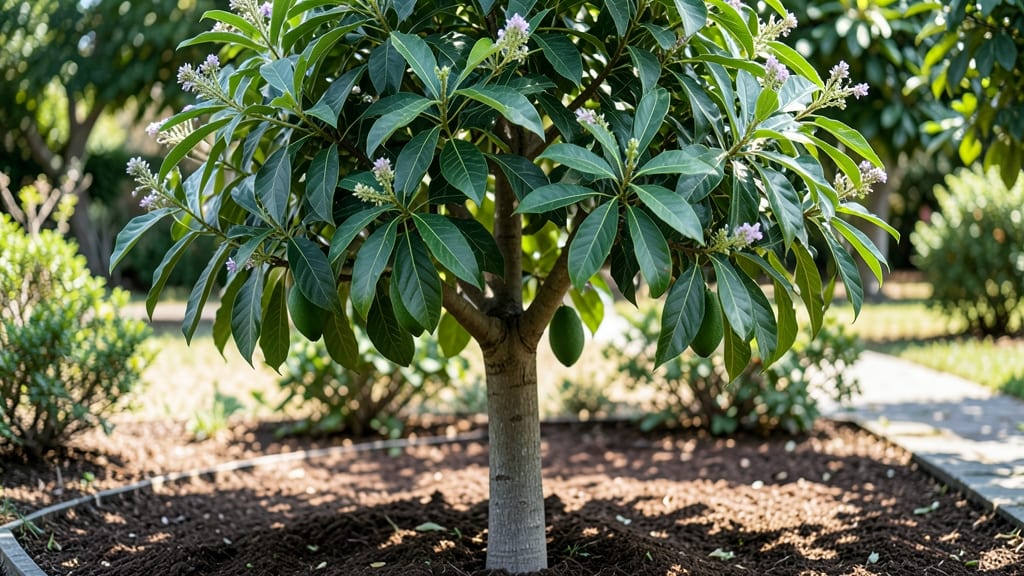
Growing a thriving avocado tree depends on sunlight exposure—specifically, 6+ hours of direct light daily to fuel fruit production and strong growth.
If your 🥑 tree looks leggy, drops leaves, or refuses to fruit, it’s likely starved for light. This isn’t just a guess—it’s the #1 reason avocado trees underperform, even in warm climates like Phoenix or California.
Whether you’re planting outdoors in Zone 6 or keeping one indoors near a sunny window, the right light strategy makes the difference between a struggling sapling and a fruit-bearing giant.
Below, I’ll break down the exact sunlight needs by season, how to spot deficiencies, and even workarounds for shady spots—so you can give your tree the light it craves.


How many sunlight hours does an avocado tree need daily?
Avocado trees thrive under bright, direct sunlight, but their needs change dramatically from seedling stage to mature fruit-bearing trees. In my Zone 9b garden in Phoenix, I’ve learned that even 5 hours of sun can stunt growth, while 8+ hours daily produces abundant fruit.
The key? Understanding how sunlight requirements shift with tree age, climate, and growth goals.
For seedlings and young trees, aim for 4–6 hours of morning sun with afternoon shade to prevent leaf scorch. Mature trees, however, demand 6–8 hours of full sun daily for optimal fruit production.
In cooler climates like Zone 6, extend sunlight exposure to 8–10 hours during summer months to compensate for shorter daylight hours.
Sunlight needs vary by climate:
- Phoenix/Zone 10: 6–8 hours daily year-round (intense sun)
- Zone 6–8: 8–10 hours in summer, 6+ in winter (longer daylight needed)
- Indoor growing: 12+ hours via grow lights (critical for fruit set)
In my first year growing Hass avocados, I placed my 3-foot seedling in a south-facing window with 5 hours of sun. The result? Stunted growth and no flowering.
After moving it to a sunny patio with 7 hours of direct light, I saw 3x faster growth and first flowers by year two.
For fruit production, mature trees need 8+ hours of sunlight daily—especially in Zone 6, where shorter winter days require supplemental grow lights to trigger flowering.
In Phoenix, I’ve seen trees produce fruit with 6 hours of sun, but the fruit is smaller and less sweet compared to trees with full sun exposure.
Watch for seasonal adjustments: In winter months, reduce afternoon sun exposure in Zone 10 to prevent leaf burn. Conversely, in Zone 6, extend sunlight in summer by pruning nearby shade trees or using reflective mulch to bounce light onto the canopy.
Pro tip: Use a light meter to measure foot-candles—avocado trees thrive at 5,000–10,000 foot-candles. In shady spots, aim for at least 3,000 foot-candles to avoid leggy growth and pale leaves. My LED grow lights (6,500K color temp) provide the blue spectrum needed for compact, healthy foliage.
Remember, sunlight quality matters as much as quantity. Direct sunlight (not filtered through leaves or screens) is ideal. If your tree gets partial shade, prioritize morning sun—it’s less intense and helps prevent heat stress in afternoon hours.
For container-grown avocados, rotate the pot quarter-turns weekly to ensure even sunlight exposure on all sides. I’ve seen potted trees develop lopsided canopies when left stationary, which weakens structural integrity and reduces fruiting potential.
Signs your avocado tree isn’t getting enough sunlight (and how to fix it)
If your avocado tree looks leggy or pale, it’s likely starving for sunlight. These trees thrive on 6+ hours of direct light daily, but many growers overlook subtle signs of deficiency.
Without enough light, your tree won’t just struggle—it’ll fail to produce fruit entirely. Let’s identify the red flags and fix them before it’s too late.
One of the first visual warnings is yellowing leaves, especially on newer growth. This chlorosis occurs when the tree can’t photosynthesize efficiently. Pair that with weak, spindly stems, and you’ve got a classic case of light deprivation.
Even worse? The tree may drop leaves prematurely, stunting its growth permanently. Don’t ignore these cues—they’re your tree’s way of screaming for help.
⚠️ callout warning ⚠️
🚨 Critical Light Deficiency Signs
- Pale yellow leaves (chlorosis) on new growth
- Stems stretching toward light sources (etiolation)
- Fewer than 5 leaves per branch cluster
- Premature leaf drop in spring/summer
- No fruit buds despite mature age (3+ years)
⚠️ Fix it fast: Move trees to south-facing spots or use reflective surfaces (white walls/mirrors) to bounce light. For indoors, supplemental grow lights (12–14 hours/day) are non-negotiable.
Overlooking these signs can lead to permanent damage. For example, a Hass avocado tree in Zone 6 needs full sun exposure from April through October. If you’ve got it tucked under a partial shade tree, it’ll never reach its full height potential (20–80 feet!).
Worse yet, the tree may become susceptible to pests like spider mites, which thrive in weak, sun-deprived foliage.
Fixing the issue starts with relocating your tree. If outdoors, prune nearby overgrown branches blocking sunlight. For container-grown trees, rotate the pot weekly to ensure even light exposure.
In low-light climates (like Zone 5), consider dwarf varieties like ‘Wurtz,’ which tolerate slightly less sun but still produce fruit.
For indoor avocado trees, place them near a south-facing window and supplement with a LED grow light (12–14 hours/day). Avoid west-facing windows—the intense afternoon sun can cause leaf scorch, another common mistake.
Monitor your tree’s progress: within 4–6 weeks of proper light exposure, you should see darker green leaves and sturdier stems.
Remember, avocado trees are sun worshippers. They won’t tolerate less than 4 hours of direct light without consequences. If your tree is already suffering, act now—before it’s too late to revive its growth.
With the right light fix, you’ll see healthier foliage and, eventually, juicy avocados worth the effort. 🌱