
Pruning
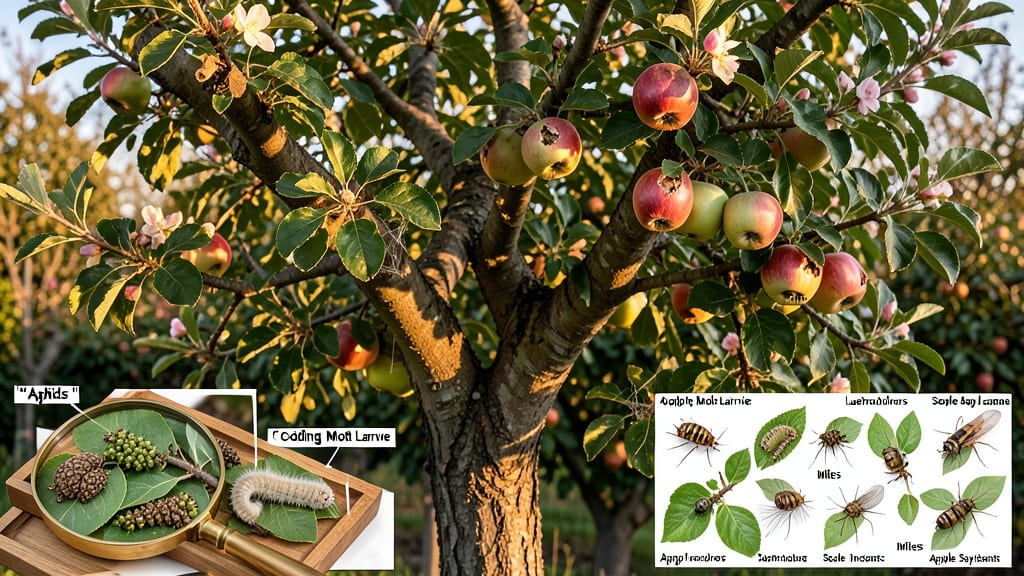
Your apple tree’s leaves tell a story—if you know how to spot apple tree pests identification. 🍏 The first sign of trouble often appears as tiny holes, sticky residue, or webbing, but without a visual guide, it’s easy to misdiagnose.
I’ve spent years tracking these pests in my orchard, and the key to saving your harvest is catching problems early—before they chew through your fruit or suck the life out of your leaves.
Codling moths leave irregular holes in apples, while aphids coat leaves in shiny, sticky honeydew. Apple maggots burrow into fruit, and spider mites create fine webbing between branches. The damage might look alarming, but most of these pests have simple, effective solutions—from organic sprays to strategic pruning.
The trick is knowing which pest you’re dealing with before reaching for a treatment.
Once you identify the culprit, you’ll be able to act at the right time—like setting up traps in early summer or pruning out infested branches before they spread. My trees stay healthy because I intervene when the damage is still minor, not when it’s too late.
With the right approach, you can protect your harvest without resorting to harsh chemicals.
This guide breaks down the symptoms, shows you what to watch for, and gives you step-by-step fixes tailored to each pest. No more guessing—just clear, actionable advice to keep your apple tree thriving. Let’s get started with the visual clues that matter most.
Root Causes of Apple Tree Pests
Apple trees may seem like resilient giants, but they’re not immune to pests—far from it. Understanding why these critters target your tree is half the battle. Below, we break down the key factors that make your orchard a pest buffet, from environmental triggers to tree health red flags.
A healthy apple tree has natural defenses—thick bark, sticky sap, and even chemical signals that repel pests. But when those defenses falter, pests move in like uninvited guests at a dinner party.
- Nutrient Deficiencies: Trees low in nitrogen, phosphorus, or potassium struggle to produce strong leaves and bark. Pests like aphids and spider mites thrive on stressed foliage because it’s easier to penetrate and feed on.
- Water Stress: Overwatering or drought weakens cell walls, making trees more vulnerable to borers and bark beetles. Root rot or fungal infections (like fire blight) can also create entry points for secondary pests.
- Physical Damage: Broken branches or wounds from pruning invite pests like the apple maggot fly or codling moth to lay eggs in exposed tissue. Always sterilize pruning tools to avoid introducing pathogens.
💡 Pro Tip: Conduct a soil test annually to check nutrient levels. A balanced fertilizer (like 10-10-10) can boost your tree’s resilience before pests strike.
Pests don’t attack randomly—they’re drawn to specific conditions that make your tree a prime target.
- Warm, Humid Climates: Many apple pests, like apple scab fungus and woolly aphids, flourish in 60–80°F temperatures with high humidity. Mulching with straw can help regulate moisture and deter fungal spores.
- Overcrowded Orchards: Poor airflow between trees creates microclimates where pests like apple sawfly larvae or leafrollers hide undisturbed. Prune for spacing (12–15 feet between trees) to improve circulation.
- Weedy Ground Cover: Grassy or weedy understory attracts alternate hosts for pests (e.g., rosy apple aphids thrive on nearby weeds). Use wood chips or clover mulch instead to disrupt pest life cycles.
✨ Science Note: Some pests, like the apple curculio, use chemical cues from stressed trees. Healthy trees emit volatile organic compounds (VOCs) that repel them—another reason to keep your tree in top shape!
Many apple tree pests have synchronized life cycles that align with your tree’s growth stages. If you miss the window, damage spirals out of control.
- Spring Emergence: As buds swell, apple blossom weevils and san Jose scale hatch and attack new growth. Monitor bloom time and apply horticultural oil before buds open.
- Summer Feeding Frenzy: Codling moths and leafhoppers peak in July when fruit is tender. Use pheromone traps to disrupt mating before eggs are laid.
- Fall Hibernation: Some pests, like apple maggot flies, lay eggs in rotting fruit or mummified apples left on the ground. Clean up debris** in autumn to starve overwintering pests.
🎯 Strategic Tip: Track degree-day accumulations (a measure of heat units) in your region—many pests trigger actions at specific thresholds (e.g., 200 degree-days for codling moth emergence).
Not all pests are equal—some are region-specific due to climate, native predators, or agricultural practices.
- Southern States: Black rot fungus and lesser appleworm thrive in hot, humid conditions. Plant resistant varieties like ‘Enterprise’ or ‘Liberty’ if you’re in Zone 7–9.
- Northern States: Apple scab and woolly apple aphids dominate in cool, wet springs. Apply copper fungicides early to prevent spore germination.
- Urban vs. Rural: Trees in urban areas face more pesticide-resistant pests due to frequent chemical use. Rotate organic sprays** (neem, pyrethrin) to avoid resistance buildup.
🔥 Warning: Invasive species (like the spotted lanternfly) are spreading rapidly—stay updated on USDA alerts for your state.
Even the hardiest trees suffer when human habits create pest-friendly conditions.
- Late Pruning: Trimming in late winter/early spring (when pests are active) leaves fresh wounds for borers to infest. Prune in dormant season (Nov–Feb) to minimize risk.
- Over-Fertilizing: Excess nitrogen promotes soft, sappy growth that attracts sap-sucking insects like aphids. Follow a slow-release fertilizer schedule (e.g., 3 applications/year).
- Ignoring Beneficial Insects: Ladybugs, lacewings, and parasitic wasps naturally control pests—but they’re often killed by broad-spectrum sprays. Use targeted sprays (e.g., kaolin clay** for fruit flies) to preserve predators.
🌡️ Temperature Hack: Some pests (like apple maggots) are cold-sensitive. Shade cloth in summer can raise fruit surface temps, making them less appealing for egg-laying.
Pests don’t choose trees randomly—they’re drawn by stress, opportunity, and timing. By addressing nutritional health, environmental conditions, and management habits, you can make your apple tree a less appealing target. Prevention is always cheaper (and less messy) than treatment!
Quick Fixes for Apple Tree Pests
When pests invade your apple tree, acting fast is key to saving your harvest—and your tree’s health. Below are targeted solutions for the most common culprits, from chewers to sap-suckers, along with prevention tips to keep future infestations at bay. Think of this as your pest-control toolkit, ready to deploy at the first sign of trouble. 🚨
Signs: Worms in fruit, exit holes, premature fruit drop. How to Fix It:
🔥 Step 1: Remove Infested Fruit Gather and destroy all fallen or infested apples immediately. Do not compost them—maggots will survive and re-infest. Drop them in a sealed trash bag or burn them (if local laws allow).
🍳 Step 2: Apply Organic Sprays Use spinosad (a natural bacteria-based spray) or kaolin clay during bloom and again 4–6 weeks later. These create a barrier that confuses adult flies and deters egg-laying.
👨🍳 Step 3: Trap Crops & Reduce Breeding Sites Plant early-season apple varieties (like ‘McIntosh’) as decoys—they ripen first and attract maggots away from your prized fruit. Thin fruit clusters so air circulates; crowded fruit = more hiding spots for larvae.
💡 Prevention Pro Tip: Hang yellow sticky traps near the tree in late May to monitor adult fly activity. If you catch more than 5 flies per trap per week, it’s time to spray.
Signs: Tunnels in apples, frass (sawdust-like droppings), exit holes. How to Fix It:
🔪 Step 1: Prune for Sunlight Thin branches to improve airflow and sunlight penetration. Codling moths thrive in shaded, damp areas. Aim for 6–12 inches between branches.
🥘 Step 2: Use Pheromone Traps Set up codling moth traps (with pheromone lures) in early spring. These disrupt mating cycles. Replace lures every 4–6 weeks.
⏰ Step 3: Timed Sprays Apply Bt (Bacillus thuringiensis) or kaolin clay during the first and second generations of moths (check local bloom times). Spray every 7–10 days until harvest.
🎯 Prevention Pro Tip: Drop cloths under the tree during harvest to collect fallen fruit. Codling moths overwinter in leaf litter and soil—clean up thoroughly in fall.
Signs: Sticky residue (honeydew), curled leaves, black sooty mold. How to Fix It:
💦 Step 1: Blast Them Off Use a strong stream of water to dislodge aphids and scale from branches. Do this early in the morning when pests are sluggish. Repeat every 3–5 days for severe infestations.
🌡️ Step 2: Introduce Beneficial Insects Release ladybugs, lacewings, or parasitic wasps (like Aphidius colemani). These natural predators will devour aphids within 1–2 weeks.
🔥 Step 3: Soap or Oil Spray Mix 1 tbsp horticultural oil or insecticidal soap per quart of water and spray directly on pests (avoid blooming flowers). Reapply after rain.
✨ Prevention Pro Tip: Prune in late winter to remove overwintering eggs. Keep grass and weeds trimmed around the tree—these harbor aphid populations.
Signs: Silk webs, defoliation, caterpillar clusters. How to Fix It:
🧹 Step 1: Physically Remove Nests Wear gloves and drop nests into soapy water (do not crush—they’ll scatter). Check for new webs weekly in spring.
🐛 Step 2: Bt Spray for Young Larvae Apply Bt (Bacillus thuringiensis) when caterpillars are small (before they web). This bacteria kills them without harming bees or other beneficial insects.
🌿 Step 3: Encourage Predators Birds like blue jays and chickadees love tent caterpillars. Install a birdhouse near the tree to attract them.
💡 Prevention Pro Tip: Thin trees in late winter to reduce dense foliage where webs form. Healthy trees with good airflow are less attractive to caterpillars.
Stop pests before they start with these low-effort habits:
- 🍎 Monitor regularly: Check trees weekly for early signs (eggs, chew marks, webs).
- 🌱 Mulch properly: Use 3–4 inches of organic mulch (wood chips, straw) but keep it 6 inches away from the trunk to deter pests.
- 🌿 Promote tree health: Fertilize with compost or balanced organic fertilizer in early spring. Healthy trees resist pests better!
- 🚫 Avoid overwatering: Wet foliage attracts fungal diseases and soft-bodied pests. Water at the base in the morning.
- 🧹 Clean up debris: Remove fallen leaves, mummified fruit, and pruned branches from under the tree fall and winter.
Remember: The key to long-term success is consistency. Pests don’t take vacations—neither should your defenses! Start with one or two strategies, then build your routine as you go. Your apple tree (and future pies) will thank you. 🍏🎉
Frequently asked questions
What’s the easiest way to tell if my apple tree has pests?
Look for three key signs: tiny holes in leaves or fruit, sticky residue (honeydew), or unusual webbing. Check the undersides of leaves first—many pests hide there. For fruit, slice an apple open to spot larvae or tunnels. Early detection means quicker fixes!
Can I use the same treatment for all apple tree pests?
No—different pests need different approaches. For example, codling moths require pheromone traps, while aphids respond to ladybugs or soap sprays. Always match the treatment to the specific pest you’ve identified. Overusing broad sprays can harm beneficial insects too!
How often should I inspect my apple tree for pests?
Check your tree every 7–10 days during growing season (spring through fall). Focus on new growth in spring, fruit in summer, and leaf litter in autumn. Early detection saves your harvest—most pests are easiest to control when they’re young or just starting to cause damage.
What’s the best time of day to treat pests on my apple tree?
Apply sprays or introduce beneficial insects early morning (before 9 AM) when pests are sluggish and bees aren’t active. Avoid treating when flowers are open to protect pollinators. If you must spray later, choose calm, overcast days to reduce chemical evaporation.
Will my apple tree recover if I treat pests late in the season?
Partial recovery is possible, but late treatment won’t restore full health. Some pests (like codling moths) can still damage next year’s fruit if they overwinter. Focus on cleanup—remove fallen fruit, prune damaged branches, and plan early-season prevention for spring. Consistency is key!