
Diseases
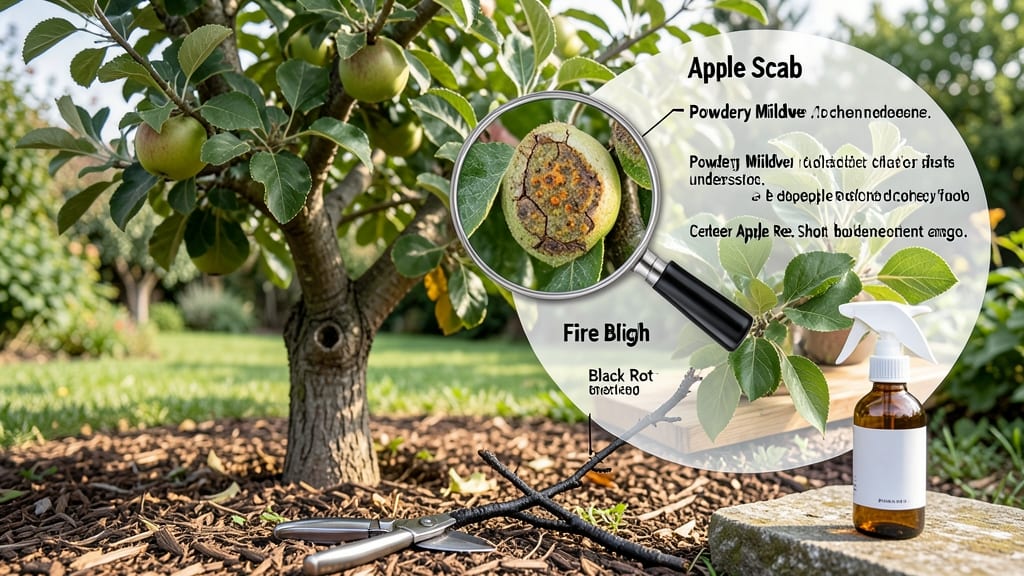
Apple tree diseases photos reveal the silent threats lurking in your orchard—before you know it, your harvest is at risk. 🍏 I’ve spent years studying the telltale signs of fungal infections like apple scab, powdery mildew, and fire blight, and I’ll show you exactly what to watch for so you can act fast.
The key is catching these issues early, when a simple spray or pruning cut can save your tree instead of requiring drastic measures.
Most problems start with moisture—too much rain, poor airflow, or damp leaves create the perfect breeding ground for fungal spores. Apple scab, for example, leaves dark, olive-green spots on leaves that curl and drop prematurely, while fire blight turns branches black and oozes like sap.
These diseases don’t just ruin fruit; they weaken the tree over time. The good news? Prevention is easier than you think—just a few adjustments to your care routine can make all the difference.
With the right knowledge, you’ll spot these issues before they spread and treat them effectively. Think pruning out infected branches, applying copper fungicide at the first sign of trouble, or even using organic remedies like neem oil.
The goal isn’t just to save your tree—it’s to keep your orchard thriving year after year, with fewer headaches and more delicious apples.
Whether you’re a backyard grower or a seasoned orchard keeper, this guide gives you the visual cues and actionable steps to protect your trees. Let’s get started—your future harvest depends on it.
Root Causes Of Apple Tree Ailments
Apple trees, like any living organism, are vulnerable to diseases—especially when their natural defenses weaken. Understanding why these issues arise is the first step to prevention and treatment. Below, we break down the key factors that turn a thriving orchard into a battleground for fungal invaders, pests, and environmental stress.
Most apple tree diseases are caused by fungi, which thrive in moist conditions and exploit weak spots in the tree’s bark, leaves, or fruit. These pathogens don’t just appear out of nowhere—they need the right conditions to spread:
- 🍄 Spores in the Air: Fungal spores (like those causing apple scab or powdery mildew) are everywhere—soil, wind, rain, and even infected plant debris. When spores land on a susceptible tree, they germinate and infect tissues.
- 💧 Overhead Watering & Rain: Fungal spores love moisture. Prolonged leaf wetness (over 9 hours) creates the perfect breeding ground. Diseases like black rot and cedar apple rust surge after heavy rain or poor drainage.
- 🌡️ Warm, Humid Climates: Fungi grow fastest in temperatures between 60–80°F (15–27°C) with high humidity. Coastal regions or areas with frequent fog are hotspots for fungal outbreaks.
Pro Tip: 💡 Prune in dry weather to avoid spreading spores, and avoid watering leaves (aim for the soil instead).
A healthy apple tree has natural resistance, but stress opens the door to diseases. Common stressors include:
- 🍃 Nutrient Deficiencies: Lack of key nutrients (like zinc, boron, or nitrogen) weakens cell walls, making trees more susceptible to infections. Example: Zinc deficiency can lead to apple rust outbreaks.
- 🌞 Poor Sunlight Exposure: Shady or crowded orchards reduce photosynthesis, leaving trees energy-deprived and vulnerable to powdery mildew or apple canker.
- 🌊 Root Rot & Poor Drainage: Waterlogged soil cuts off oxygen to roots, inviting Phytophthora fungi. This sets the stage for collar rot, a deadly disease that girdles the tree.
- 🐛 Pest Damage: Insects like codling moths or apple maggots create entry points for fungi. Their feeding wounds expose the tree to secondary infections.
Pro Tip: 🌡️ Test your soil every 2–3 years to check pH and nutrient levels. Aim for a pH of 6.0–7.0 for optimal fungal resistance.
Diseases don’t just come from pathogens—they’re often triggered by external factors:
- 🌧️ Late Spring Rains: Timing matters! If rain occurs during bloom (when petals are open), spores spread rapidly, leading to apple scab or sooty blotch.
- 🍂 Fall Leaf Debris: Infected leaves left on the ground overwinter, releasing spores the next spring. Example: Venturia inaequalis (apple scab) survives in fallen leaves for years.
- 🌬️ Wind & Pollen Carriers: Some diseases (like cedar apple rust) require an alternate host (e.g., juniper trees). Wind spreads spores between hosts, creating a disease cycle.
- 🔥 Extreme Temperature Swings: Sudden heat after cold snaps stresses trees, making them more prone to bacterial fire blight or apple mosaic virus.
Pro Tip: ✨ Clean up fallen leaves and fruit in autumn—remove and compost them away from the orchard to break the disease cycle.
Even well-intentioned gardening practices can worsen problems:
- ✂️ Poor Pruning Techniques: Cutting during wet weather or using contaminated tools spreads fungal spores. Example: Nectria canker thrives on fresh pruning wounds.
- 🛒 Infected Nursery Stock: Buying trees from unreliable sources may introduce diseases like apple replant disease, caused by soil-borne pathogens.
- 💦 Overhead Irrigation: Mist systems keep leaves wet for hours, perfect for powdery mildew and black spot.
- 🚫 Ignoring Early Signs: Delaying treatment allows diseases to establish. Example: Apple powdery mildew starts as white spots but can cover leaves entirely if untreated.
Pro Tip: 🎯 Sterilize pruners with rubbing alcohol between cuts, and prune in dry, sunny conditions to minimize fungal spread.
Fixing Fungal Foes in Apple Trees
When your apple tree starts showing signs of disease, acting fast can mean the difference between saving your harvest and losing the tree entirely. Below, we’ve mapped out practical, step-by-step solutions for the most common fungal issues—plus prevention tips to keep your orchard thriving. Think of this as your first-aid kit for apple trees! 🌿💊
🔥 Cause: Venturia inaequalis (a fungus that thrives in wet, cool springs). 👨🍳 Fix It:
- Prune for airflow 🌬️
- Remove infected leaves, twigs, and crossed branches to improve circulation. Aim for an open canopy—this reduces humidity where spores love to hide.
- Pro tip: Sanitize pruners with 10% bleach solution (1 part bleach to 9 parts water) between cuts to avoid spreading spores.
- Fungicide spray schedule 🍄⚡
- Apply a copper-based fungicide (like Bordeaux mixture) or organic options (neem oil, sulfur sprays) before bud break in early spring.
- Follow up with weekly sprays during wet periods (check the forecast—if rain is predicted, spray the night before).
- 💡 Organic hack: Mix 1 tbsp baking soda + 1 tsp horticultural oil + 1 gallon water for a DIY preventative spray.
- Cleanup is key 🧹
- Rake and remove all fallen leaves in autumn—burn or compost them far from the tree (not in your yard!). This breaks the fungus’s life cycle.
🌡️ Cause: Podosphaera leucotricha (loves dry heat + high humidity). 🍳 Treat It:
- Boost tree resilience 🌱
- Plant resistant varieties like ‘Liberty’ or ‘Enterprise’ if powdery mildew is recurrent.
- Ensure your tree gets 6–8 hours of sunlight daily—shady spots invite mildew.
- Spray with baking soda or sulfur ✨ - Mix 1 tbsp baking soda + 1 tsp dish soap + 1 gallon water.
Spray every 7–10 days during growing season. - For severe cases, use sulfur fungicide (follow label rates)—but avoid spraying when temps exceed 85°F (29°C) to prevent leaf burn.
- Water wisely 💧
- Water deeply at the base (not overhead) in the early morning so foliage dries quickly.
- 🎯 Prevention pro move: Install a drip irrigation system to keep leaves dry.
🔪 Cause: Erwinia amylovora (bacteria, not a fungus—but acts like one!). ⏰ Act Fast:
- Prune infected branches ⚠️
- Cut 6–12 inches below the blackened, wilted tissue (the bacteria hides in dormant buds). Burn or bag prunings immediately.
- ✨ Sterilize tools between cuts with rubbing alcohol.
- Apply copper bactericide 🛡️
- Spray with copper hydroxide (e.g., Copper Soap) every 10–14 days during bloom and post-harvest.
- 💡 Emergency fix: Mix 1 tsp copper sulfate + 1 gallon water (use sparingly—can harm plants if overused).
- Strengthen the tree 💪
- Feed with compost or balanced fertilizer (10-10-10) in early spring to boost immunity.
- Avoid overhead watering during bloom to reduce bacterial spread.
🌲 Cause: Gymnosporangium juniperi-virginianae (needs both apple trees and juniper/cedar trees to survive). 🌡️ Stop the Cycle:
- Remove nearby junipers 🪓
- If possible, prune or remove cedar/juniper trees within a 1-mile radius (spores can travel far!).
- If removal isn’t an option, spray junipers with horticultural oil in late autumn to kill overwintering spores.
- Fungicide timing ⏳
- Apply sulfur or copper fungicide before orange pustules appear (usually spring).
- Reapply after rain or every 3–4 weeks during outbreaks.
- Monitor and rake 👀
- Inspect trees weekly for bright orange spots on leaves. Remove and destroy infected leaves immediately.
An ounce of prevention is worth a pound of cure! Use these low-effort habits to keep your apple tree healthy year-round:
- 🌱 Plant in full sun (6+ hours/day) and well-draining soil.
- 💧 Water at the base (avoid wetting leaves) and mulch with wood chips to retain moisture without humidity.
- 🍂 Fall cleanup: Remove and compost away all debris (or burn it).
- 🛡️ Rotate fungicides to prevent resistance—don’t use the same product every year.
- 🐝 Encourage beneficial insects (ladybugs, lacewings) by planting dill, marigolds, or yarrow nearby.
With these strategies, you’ll minimize fungal threats and keep your apple tree producing juicy, disease-free fruit for years. 🍏🌟 Remember: Early action is your best defense—so grab those pruners and fungicides at the first sign of trouble!
Frequently asked questions
What are the most common apple tree diseases I should watch for?
Start with these top 5: apple scab (dark olive spots on leaves), powdery mildew (white fuzzy coating), fire blight (blackened, oozing branches), cedar apple rust (orange pustules on leaves), and black rot (shot-hole leaf damage). Each has distinct visual symptoms that photos can help confirm.
How do I tell if a leaf spot is just weather damage or a disease?
Disease spots usually have distinct patterns: fungal spots often appear olive-green to black with halos, while weather damage looks random and brown. Check for spore-like powder on undersides of leaves—if present, it's likely a fungal infection.
Can I use the same fungicide for all apple tree diseases?
No—different diseases need targeted treatments. Copper-based sprays work for bacterial issues like fire blight, while sulfur or neem oil are better for fungal problems like powdery mildew. Always rotate fungicides to prevent resistance.
What's the best time of year to treat apple tree diseases?
Start before bud break in early spring (March-April) with a preventive fungicide. Reapply every 7-14 days during wet periods. Fall treatments (October) help prevent overwintering spores.
Will removing infected branches really stop the spread?
Prune 6-12 inches below infected areas and sterilize tools between cuts. For fire blight, remove branches immediately—don't wait. Bag prunings and compost them away from the orchard to prevent reinfection.