
Pruning
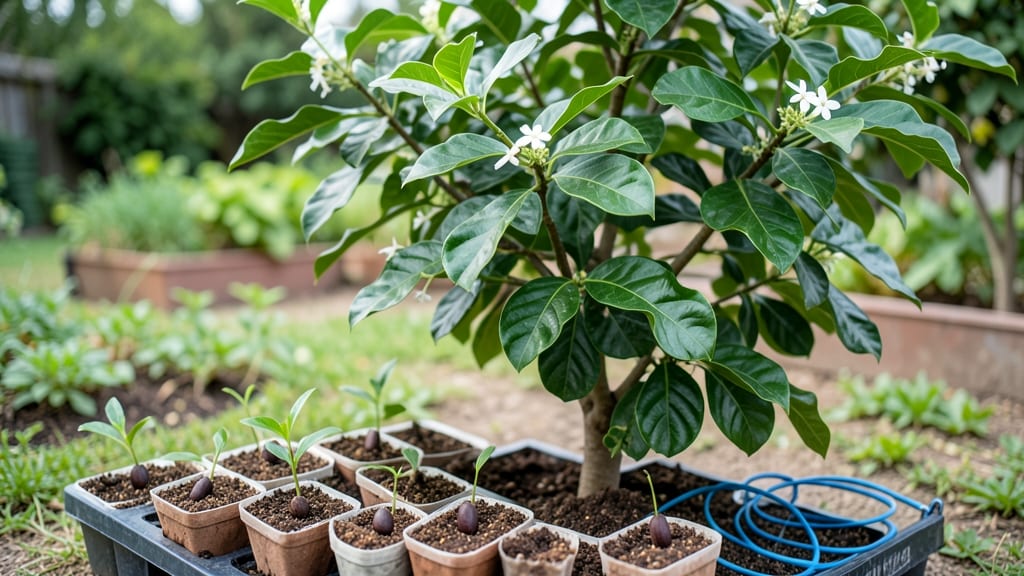
Growing allspice tree seeds from scratch is the fastest way to get a fragrant, shade-loving tree in your yard—if you know the germination tricks. 🌱 I've struggled with slow, inconsistent sprouts until I learned the exact conditions these tropical seeds need to wake up in just 10-14 days instead of months.
The secret lies in prepping the seeds right: a quick soak in warm water breaks their tough outer shell, while a heat mat mimics their native tropical environment.
You'll need a warm spot (70-80°F), moist but well-draining soil, and patience for the first true leaves—those tell you the seedling is ready for its forever home. By the time you're transplanting, you'll have sturdy 6-inch seedlings with a head start on growth.
The scent of crushed leaves will remind you why this tree is worth the effort, especially when you're harvesting your own spice years down the road.
Works in zones 9-11, but with a little extra care (like overwintering young plants indoors), you can grow them as far north as zone 7. Here's how to avoid the common pitfalls that kill seedlings before they even start.
📚 In This Guide
- What you need
- Instructions
- Tips and common mistakes
- Wrapping up and next steps
What you need
- ● Allspice tree seeds: 3–5 fresh, plump seeds (harvested within the last 6 months for best viability). Pro tip: 💡 Store-bought seeds may need stratification (see tips below).
- ● Germination medium: 1 small container (4–6 inches wide) with drainage holes, or
- ● 2–3 paper towels + a sealed plastic bag (for the "wet paper towel method").
- ● Potting mix: 1 bag (1–2 quarts) of well-draining seed-starting mix (e.g., 50% peat moss + 50% perlite or coconut coir). Avoid garden soil—it’s too dense!
- ● Spray bottle: 8–16 oz with a fine mist nozzle (for gentle hydration).
- ● Plastic wrap or humidity dome: To retain moisture during germination.
- ○ Heating mat (optional but recommended): A small seedling heat mat (70–80°F range) to speed up germination.
- ● Small pots or trays: 2–3 (2–3 inches deep) with saucers for catching excess water.
- ● Labeling tags: 5–10 (to track seedling progress).
- ● Scissors or knife: For trimming plastic wrap or adjusting containers.
- ○ Thermometer (optional): To monitor soil temperature (ideal: 75–85°F).
- ● Patience & sunlight: A sunny windowsill or grow light (12–14 hours/day post-germination).
- ● Seed scarification tool (sandpaper or knife) to nick hard seed coats.
- ● Fungicide (e.g., hydrogen peroxide 3%) to prevent mold in damp conditions.
- ● Grow light (LED, 6000K–6500K) if natural light is insufficient.
- ● Humidity tray (a shallow tray with pebbles + water under the seedling container).
How to germinate allspice tree seeds quickly and reliably
Here’s my foolproof method for breaking through allspice’s tough seed coat and getting those first sprouts in record time.
🌱 Step 1: Soften the Seed Coat for Faster Germination
Allspice seeds have a thick, waxy coating that slows water absorption—so we’ll soften it first. Fill a small bowl with warm water (100-110°F) and add the seeds. Let them soak for 24-48 hours, changing the water every 8 hours to prevent mold. You’ll know it’s working when the seed coat starts to wrinkle and darken slightly.
I like to use a mesh bag or cheesecloth to keep the seeds contained while soaking. This prevents them from floating away and makes it easy to transfer them to the next step. Don’t skip this—skipping the soak means waiting weeks for germination instead of days.
💧 Step 2: Plant in Warm, Moist Soil
Fill small pots (about 3-4 inches deep) with a well-draining mix—equal parts peat moss and perlite works best. Moisten the soil until it’s damp but not soggy, then plant the soaked seeds ½ inch deep. Two seeds per pot is fine; you can thin later if both sprout.
Press the soil gently around the seeds to ensure good contact—this helps prevent air pockets that could delay germination. Place the pots in a warm spot (around 75-80°F), like on top of a refrigerator or near a sunny window. Cover the pots loosely with plastic wrap to retain moisture, but leave a small gap for airflow.
☀️ Step 3: Provide Consistent Warmth and Light
Allspice seeds need warmth to germinate, but once they sprout, they’ll need light to grow strong. Keep the soil temperature at 70-75°F for the first 2-3 weeks—a seedling heat mat helps if your home runs cooler. You should see tiny sprouts in 10-21 days, though some stubborn seeds may take up to 30 days.
Once the first leaves appear, remove the plastic wrap and move the pots to a bright, indirect light spot. Avoid direct sunlight at first—it can scorch the delicate seedlings. If growth slows or stems stretch (a sign of legginess), supplement with a grow light for 12-14 hours daily.
✂️ Step 4: Thin and Transplant Seedlings
When seedlings reach 2-3 inches tall and have 2-3 sets of true leaves, it’s time to thin. Keep the strongest seedling per pot, snipping the weaker one at the base with clean scissors. Transplant the remaining seedling into its own 6-inch pot with fresh potting mix.
Handle the seedlings gently—allspice trees have tender roots. Water lightly after transplanting to help them settle in. By this stage, they’re ready for more sunlight, so gradually introduce them to morning sun over 5-7 days. Full sun can come later, once they’re established.
🌿 Step 5: Maintain Ideal Conditions for Growth
Allspice trees thrive in well-draining soil and prefer moderate humidity. Water when the top 1 inch of soil feels dry, but avoid letting the roots sit in water. A south-facing window or grow light setup ensures they get enough light to stay compact and bushy.
Fertilize lightly every 4-6 weeks with a balanced, water-soluble fertilizer (diluted to half strength). You’ll know they’re happy when new leaves appear regularly and the plant grows steadily. With patience, your seedlings will mature into fragrant, productive allspice trees in 3-5 years.
Tips & tricks for fast allspice tree germination
Real talk: Those stubborn allspice seeds won't crack open without some extra persuasion. Here's how to give them the best shot at sprouting quickly.
Soak Smarter: The 24-48 hour soak is your secret weapon against allspice's tough seed coat. I've found that using a glass jar with warm water (100-110°F) works best—it lets you see the seeds and monitor their progress. Place the jar in a warm spot like on top of your fridge, where it stays consistently around 75°F. You'll notice the seed coats darken and wrinkle after about 16-24 hours, signaling they're ready for planting.
Temperature Matters: Allspice seeds are tropical at heart and need warmth to germinate. If your home stays below 70°F, consider using a seedling heat mat under your pots during the first 2-3 weeks. I've seen germination times nearly double when seeds are kept too cool. For extra insurance, place a small space heater near your seedling area—just don't let it blow directly on the pots.
Light Transitions: The moment you see those first tiny sprouts, that's your cue to remove the plastic wrap. I like to move the pots to a bright, east-facing window where they'll get gentle morning sun. If your seedlings start stretching toward the light (a sign of legginess), switch to a grow light for 12-14 hours daily. This prevents weak, spindly growth and helps them develop strong stems right from the start.
Pro Tips for Allspice Tree Seeds
- Real talk: Those stubborn allspice seeds won't crack open without some extra persuasion. Here's how to give them the ...
- Soak Smarter: The 24-48 hour soak is your secret weapon against allspice's tough seed coat. I've found that using a g...
- Temperature Matters: Allspice seeds are tropical at heart and need warmth to germinate. If your home stays below 70°F...
Frequently asked questions
Got questions about growing allspice trees from seeds? You’re not alone! Here are answers to the most common queries to help you succeed with your germination journey.
How long does it take for allspice tree seeds to germinate?
Allspice seeds typically take 4 to 8 weeks to germinate, depending on conditions like warmth (70–85°F) and moisture. Patience is key—some seeds may sprout faster if pre-soaked or scarified. If nothing emerges after 10 weeks, the seed might be non-viable. Don’t give up—try a fresh batch!
Can I grow allspice trees from seeds in cold climates?
Yes, but start seeds indoors 10–12 weeks before your last frost for a head start. Use a heat mat to maintain warmth, and transplant seedlings outdoors only after temperatures consistently stay above 50°F. Cold-hardy varieties like Pimenta dioica thrive in USDA zones 9–12, but container growing extends possibilities for cooler areas.
What’s the best alternative if my seeds won’t sprout?
If germination fails, try these backups:
- Buy seedlings: Nurseries often carry young allspice trees (check for Pimenta dioica labels).
- Layering/cuttings: Propagate from a mature tree’s branches in water or soil.
- Online seed swaps: Forums like GardenWeb connect growers with fresh, viable seeds.
Why are my sprouted seeds turning yellow or moldy?
Yellowing or mold usually signals overwatering, poor drainage, or fungal issues. Fix it by:
- Using sterilized soil (bake soil in the oven for 30 mins at 200°F to kill pathogens).
- Watering only when the top inch of soil is dry (bottom-watering helps).
- Adding perlite or sand to improve airflow in the mix.
How do I know if my allspice seedling is healthy?
A thriving seedling has:
- Deep green, glossy leaves (no brown spots or wilting).
- Slow, steady growth (1–2 inches per month).
- Sturdy stem (not leggy or weak).
Wrapping up and next steps
Growing an allspice tree from seeds is a rewarding journey—one that blends patience with the thrill of nurturing life from something as tiny as a seed! 🌱 With the right materials, a dash of knowledge, and a sprinkle of care, you’re well on your way to cultivating a fragrant, fast-growing plant.
Whether you’re a seasoned gardener or just starting out, these germination secrets will help you achieve reliable sprouts in no time.
Now that you’re armed with the know-how, why not take the next step? Start by gathering your supplies, following the steps with confidence, and watch your allspice tree seeds transform into lush, aromatic plants. Happy growing—your kitchen (and future spice blends!) will thank you! 🌿✨