
How To
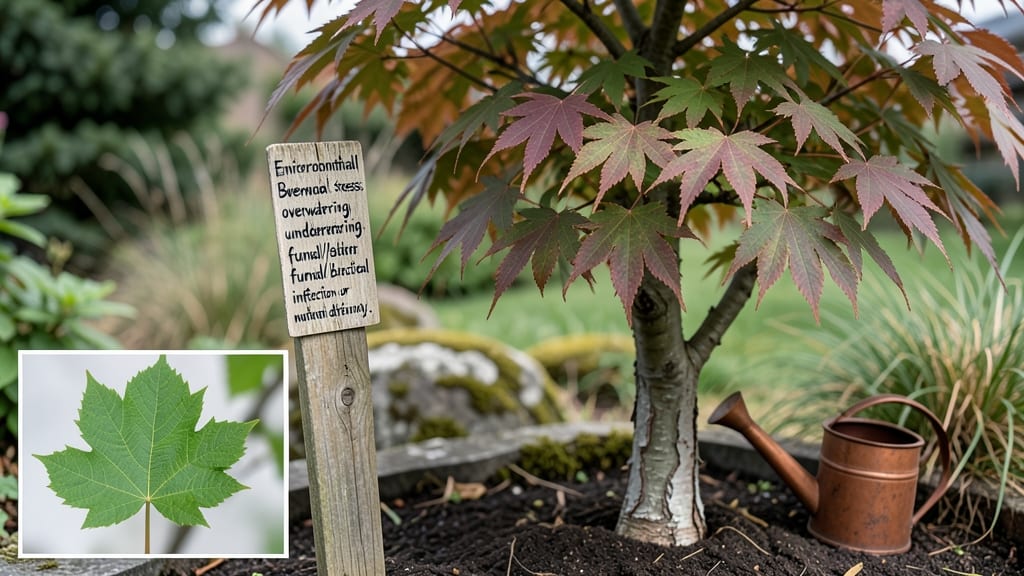
Those brown tips on your acer tree leaves are a clear sign that root stress is calling for help. 🌳 I’ve nursed back more than a few struggling maples—this isn’t a death sentence, just a cry for better care.
The fix starts with checking soil moisture, not just guessing at watering. First, dig your fingers 2 inches deep: if soil feels soggy, you’re overwatering (roots need air too). If it’s bone-dry, underwatering’s the culprit. Environmental stress—like windburn or harsh sun—can also scorch edges.
Grab a pair of pruners and snip off just the brown tips; healthy tissue will hide underneath. Within 4-6 weeks, new growth should push out with crisp, green edges. For stubborn cases, a balanced fertilizer (like 10-10-10) gives roots a nutrient boost.
If leaves look yellow and brown, fungal issues might be lurking—time to call in a pro for targeted treatment.
Most cases resolve with this simple routine, but watch for these red flags: black spots on undersides (fungus), wilting despite moist soil (root rot), or brown spreading to entire leaves (environmental damage). When in doubt, a soil test ($20 at garden centers) reveals the real story behind those crispy tips.
This method works for all acer varieties—Japanese, sugar, or red maples—because the problem’s always the same: roots starving for balance. The key is patience: new growth takes time, but with consistent care, your tree will bounce back stronger than ever.
Root Causes Of Leaf Damage
When your acer tree starts showing brown tips on its leaves, it’s often a cry for help from the roots—or something disrupting the tree’s ability to deliver water and nutrients. Understanding the why behind this issue is the first step toward fixing it.
Below, we break down the most common culprits, backed by science, so you can diagnose the problem accurately and take targeted action.
Brown tips on acer leaves can be a classic sign of overwatering or waterlogged soil, which suffocates roots by cutting off oxygen. Acer trees, especially those in containers or heavy clay soils, are particularly vulnerable because their roots need well-aerated, moist-but-not-soggy conditions.
- How it happens: Excess water displaces air in the soil, leading to anaerobic conditions (low oxygen). Roots struggle to absorb water efficiently, causing hydraulic stress and browning at the leaf edges.
- Visual clues:
- Yellowing between leaf veins (iron deficiency from poor oxygen uptake)
- Mushy, foul-smelling soil
- Leaves wilting despite wet soil
- Science behind it: Roots rely on oxygen diffusion through soil pores. When saturated, they switch to inefficient fermentation for energy, producing toxic byproducts like ethanol. This disrupts nutrient transport, leading to browning.
💡 Pro Tip: Stick your finger 2–3 inches into the soil—if it’s damp after 24 hours, you’re overwatering. Amend heavy soil with perlite or sand (20% mix) to improve drainage.
Acer trees are hardy, but intense heat, dry winds, or sudden temperature swings can cause leaf edges to scorch and turn brown. This is often called physiological leaf scorch, and it’s purely environmental—not a disease.
- How it happens: High temperatures increase transpiration rates (water loss through leaves) faster than roots can replenish moisture. Wind exacerbates this by creating a desiccating effect on leaf surfaces.
- Visual clues:
- Brown tips or edges, often crispy to the touch
- Symptoms appear on exposed sides of the tree (e.g., west-facing branches)
- Leaves may curl or feel dry
- Science behind it: Cells in leaf margins have higher solute concentrations than the center, making them more susceptible to water loss under stress. When moisture isn’t replenished, these cells plasmolyze (shrink and die), turning brown.
🌡️ Pro Tip: Mulch the base of the tree with 3–4 inches of organic mulch (wood chips or straw) to retain soil moisture. For container acers, move them to shadier spots during heatwaves and group plants together to reduce wind exposure.
If brown tips coincide with yellowing leaves, wilting, or blackened roots, a fungal pathogen like Phytophthora or Armillaria root rot could be at fault. These infections thrive in wet, compacted, or poorly drained soil and block the tree’s vascular system.
- How it happens: Fungal hyphae invade root tissues, disrupting water and nutrient uptake. The tree compensates by translocating resources to healthier leaves, leaving edges brown and brittle.
- Visual clues:
- Brown, mushy roots with black streaks
- Leaves yellowing from the bottom up
- Foul odor near the base of the tree
- Science behind it: Fungi release toxins that damage cell membranes in roots, reducing xylem efficiency (the tree’s plumbing system). This causes hydraulic failure, where water can’t reach leaf tips, leading to browning.
🔥 Pro Tip: If you suspect root rot, stop watering immediately and improve drainage. For infected trees, apply copper fungicide (follow label rates) and consider root pruning to remove damaged areas.
Acer trees need a balanced diet of nitrogen, potassium, and magnesium to maintain leaf health. Deficiencies—especially in magnesium or potassium—often manifest as brown tips or edges.
| Nutrient | Deficiency Signs | Cause | Solution |
|---|---|---|---|
| Potassium (K) | Brown, scorched-looking leaf edges; weak stems | Poor soil, overwatering (leaches K), or compacted roots | Apply potassium sulfate (1 tbsp per sq ft) or use a balanced fertilizer (10-10-10) |
| Magnesium (Mg) | Brown interveinal chlorosis (yellowing between veins) progressing to brown tips | Acidic soil or heavy clay (binds Mg) | Add Epsom salt (1 tbsp per gallon of water, spray foliage monthly) |
| Calcium (Ca) | Brown, crinkled tips; new growth stunted | Compacted soil or high sodium levels | Apply gypsum (calcium sulfate) to soil |
🎯 Pro Tip: Test your soil’s pH (ideal for acers: 6.0–7.5). If it’s below 6.0, amend with lime to release bound nutrients. For container trees, flush soil with water annually to prevent salt buildup.
Now that you’ve identified the likely cause, the next step is targeted treatment to restore your acer’s health. Each issue requires a different approach—let’s tackle them one by one!
Quick Fixes for Browning Leaf Tips
Now that you’ve identified why your acer tree is showing those unsightly brown tips on its leaves, let’s roll up our sleeves and tackle the issue head-on! The good news? Most causes have simple, effective solutions—whether you’re dealing with dehydration, pests, or environmental stress.
Below, we’ve mapped out practical fixes for each common culprit, plus prevention tips to keep your tree thriving long-term.
If your acer’s brown tips are due to underwatering, overwatering, or poor drainage, here’s how to hydrate it right:
🔥 Step 1: Check the Soil Moisture
- Stick your finger 2–3 inches deep into the soil. If it feels dry, it’s time to water. If it’s soggy, hold off and let it dry out slightly.
- Pro Tip: 🌡️ Use a moisture meter for accuracy—no guesswork!
👨🍳 Step 2: Water Deeply and Consistently
- For underwatering: Water slowly and deeply (1–2 inches per week, including rain) until the soil is moist 6 inches down.
Use a soaker hose or drip irrigation to avoid runoff. - For overwatering: Let the top 2–3 inches of soil dry out between waterings.
Improve drainage by adding organic compost or perlite to heavy clay soil. - For poor drainage: Amend the soil with sand or gravel in the root zone to prevent waterlogging.
🥘 Step 3: Mulch Like a Pro
- Apply 2–3 inches of organic mulch (like shredded bark or wood chips) around the base of the tree, keeping it 6 inches away from the trunk to prevent rot.
- Prevention Tip: ✨ Mulch retains moisture and regulates soil temperature—just refresh it annually!
If spider mites, aphids, or fungal diseases are to blame, act fast with these targeted treatments:
🔪 Step 1: Blast Off Pests with Natural Sprays
- For spider mites/aphids:
- Mix 1 tsp mild liquid soap + 1 quart water in a spray bottle.
Test on a small leaf first! - Spray early morning or evening (avoid direct sunlight) and repeat every 5–7 days until pests vanish. - For fungal issues (like anthracnose): - Apply a copper fungicide or neem oil spray (follow label instructions). Reapply after rain.
🌿 Step 2: Encourage Beneficial Insects
- Plant marigolds, lavender, or basil nearby to attract ladybugs and lacewings, which devour pests naturally.
- Prevention Tip: 🎯 Prune your tree regularly to improve airflow and reduce fungal spores.
🚿 Step 3: Clean Up Debris
- Remove fallen leaves, branches, and weeds from the base of the tree to eliminate hiding spots for pests and fungi.
If cold damage, salt spray, or harsh winds are the villains, protect your acer with these defensive moves:
🌡️ Step 1: Adjust Watering in Extreme Weather
- After frost: Water deeply to help roots recover. Avoid wetting leaves to prevent fungal growth.
- In salty conditions (near roads/sidewalks): Flush the soil with clean water to reduce salt buildup.
🏡 Step 2: Provide Temporary Shelter
- For young trees: Wrap the trunk with burlap or use a tree guard to block harsh winds.
- For mature trees: Plant windbreak shrubs (like arborvitae) on the windward side.
☀️ Step 3: Gradual Acclimation
- If moving a potted acer, harden it off by exposing it to outdoor conditions slowly over 1–2 weeks before full sun.
- Prevention Tip: 💡 Choose a sun-tolerant acer variety (like Acer palmatum ‘Bloodgood’) if your climate has intense heat or cold snaps.
If nutrient deficiencies (like iron or nitrogen) are causing brown tips, feed your tree the right way:
📊 Step 1: Test Your Soil
- Grab a DIY soil test kit (or send a sample to your local extension office) to check pH and nutrient levels.
- Ideal pH for acers: 6.0–7.5.
If too acidic (below 6.0), add lime; if too alkaline (above 7.5), use sulfur.
💪 Step 2: Apply the Right Fertilizer
- For general health: Use a balanced, slow-release fertilizer (like 10-10-10) in early spring.
- For iron deficiency (yellowing between veins): Sprinkle chelated iron or iron sulfate around the root zone.
- Avoid over-fertilizing! 🚫 Too much salt can burn roots—follow package rates.
🍎 Step 3: Boost with Organic Amendments
- Mix compost or worm castings into the top 6 inches of soil in spring to improve nutrient availability.
- Prevention Tip: ✨ Feed your tree once a year (early spring) unless a soil test shows deficiencies.
If more than 30% of leaves are brown or crispy, your acer may need intensive recovery:
- Prune damaged foliage with sterilized shears, cutting back to healthy green growth.
- Water thoroughly and monitor for 2–3 weeks. If no improvement, consult a certified arborist.
- Consider a root stimulator (like mycorrhizal fungi) to jumpstart recovery.
- Water wisely: Stick to 1–2 inches per week (adjust for climate).
- Mulch annually to retain moisture and regulate temperature.
- Inspect leaves weekly for pests or disease signs.
- Prune in late winter/early spring to encourage airflow.
- Avoid heavy foot traffic near the tree’s base to prevent root compaction.
Final Thought: 🌳 Most acer trees bounce back quickly with the right care—don’t panic if you see brown tips! Start with one fix (like proper watering or pest control) and observe for 2–4 weeks before trying another. Your tree’s vibrant green canopy is just around the corner!
Frequently asked questions
Why do only the tips of my acer leaves turn brown first?
Brown tips appear first because leaf edges have higher solute concentrations than the center, making them more vulnerable to water loss under stress. When roots struggle to supply moisture—due to drought, overwatering, or poor drainage—these edge cells plasmolyze (shrink and die) before the rest of the leaf. Think of it like a sponge drying from the outside in!
Is it safe to prune brown-tipped leaves from my acer?
Yes! Pruning removes dead tissue and helps the tree focus energy on new growth. Use sterilized pruners to cut just above the healthy green tissue (about ¼ inch above the browning). Avoid removing more than 20-30% of the leaf at once to prevent stressing the tree. Do this in early morning when humidity is higher.
Could my acer's brown tips be from winter damage?
Winter desiccation (dry air + cold winds) or frost can scorch leaf edges. Check for crispy, papery tips or yellowing between veins—classic signs. Protect young trees with burlap wraps in winter, and water deeply before the first frost to help roots store moisture. Mulch with 3-4 inches of organic material to insulate roots.
How often should I fertilize an acer with brown tips?
Start with a soil test—acer trees often need magnesium or potassium. If deficient, apply a balanced fertilizer (10-10-10) in early spring only. Over-fertilizing can burn roots and worsen browning! For quick fixes, use Epsom salt (1 tbsp/gallon water) for magnesium or potassium sulfate for potassium. Never fertilize in summer heat.
When should I call an arborist for brown tips?
Consult a pro if you see blackened roots, wilting despite moist soil, or >30% leaf browning—signs of root rot or severe disease. Also seek help if brown tips spread to entire leaves (not just edges) or if the tree shows oozing bark or fungal growth. Early intervention prevents permanent damage. Most arborists offer free consultations for diagnostics.