
Pests
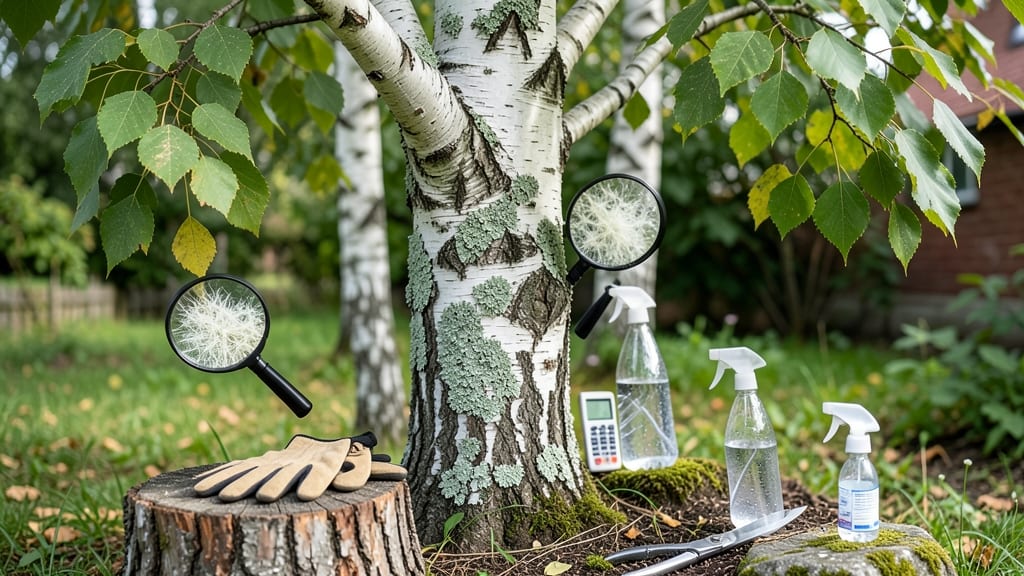
That white stuff on your sugar maple branches isn’t just a mystery—it’s a clue about what’s happening in your tree’s life. 🌳 I’ve seen everything from harmless lichen to sap buildup that signals stress, and knowing the difference saves trees (and headaches).
The first step is figuring out whether it’s powdery, crusty, sticky, or flaky—each type tells a different story.
Most of the time, it’s not dangerous: lichen and moss thrive on old bark, while mineral deposits from hard water leave chalky streaks. But if it’s sticky (scale insects) or powdery (mildew), your tree might need help.
I’ll walk you through how to tell them apart and what to do—some fixes take 10 minutes, others require patience and prevention.
By the end, you’ll know whether to hose it off, prune affected branches, or call in a pro. The key is acting before the problem spreads—especially if your tree is young or stressed.
Think of it like a checkup: catching issues early keeps your maple healthy for decades of syrup season (and shade!).
We’ll cover everything from quick fixes for cosmetic issues to long-term care for serious infestations. No green thumb required—just curiosity and a willingness to get your hands dirty. Let’s solve this mystery together.
Why it happens
The mysterious white stuff coating tree branches—especially in sugar maples—isn’t just random fluff. It’s a fascinating (and sticky!) byproduct of nature’s sap collection process. Understanding why it happens starts with the tree’s inner workings, seasonal cycles, and even human intervention.
Let’s break down the key causes, from biological quirks to environmental triggers.
🌳 Sap Freezing and Thawing Cycles
Sugar maples are famous for their sap flow, a seasonal phenomenon tied to temperature fluctuations. When nights dip below freezing (typically 20–30°F) and days warm up above 40°F, the tree’s roots absorb water, while its trunk and branches expand.
This pressure forces sap upward through the xylem—like a natural plumbing system.
Here’s where the white residue comes in: As sap rises, it often oozes from tiny cracks or wounds in the bark (a process called bleeding). When temperatures drop again, the sap freezes and expands, pushing out more liquid—and sometimes even crystallizing on the bark’s surface.
Over time, this creates that chalky, white film. Think of it like a tree’s version of ice cream melting and refreezing on a cone!
Pro Tip: 🌡️ The whitest buildup usually appears in late winter to early spring, when freeze-thaw cycles are most extreme. If you’re tapping sap for syrup, this is peak collection time!
🐝 Insect Activity and Honeydew
Not all white stuff is sap-related. Some of it could be honeydew, a sugary secretion left behind by sap-sucking insects like aphids, scale insects, or maple leafhoppers. These pests pierce the tree’s bark or leaves to feed on phloem sap, then excrete excess sugars as a sticky, white residue.
| Insect | Signs of Infestation | White Residue Type |
|---|---|---|
| Maple Leafhoppers | Small, pale green insects on undersides of leaves; yellowing leaves | Sticky, waxy strands on branches/leaves |
| Aphids | Clusters of tiny, soft-bodied bugs; curled or stunted leaves | Powdery, cottony residue (often mixed with sooty mold) |
| Scale Insects | Bumpy, shell-like bumps on bark; wilting branches | Thick, glossy white coating on bark |
Actionable Fix: 🔥 If you spot insects, blast them off with a strong stream of water or apply neem oil (a natural insecticide) to break their life cycle.
🌧️ Fungal Spores and Lichen Growth
Some white coatings aren’t alive—they’re fungal or lichen-based. Lichens, for example, are symbiotic organisms made of fungi and algae that thrive on tree bark. They don’t harm the tree but can look like a powdery or crusty white film, especially in moist, shaded areas.
Fungal spores (like those from Oidium or Sphaeropsis) may also create a fluffy, white bloom on branches, particularly if the tree is stressed. Unlike sap or honeydew, these are more common in humid conditions or after rain.
Key Difference: 🎯 Lichen grows slowly and is usually patchy, while fungal spores spread quickly and may appear uniformly white.
👨🌾 Human Activity: Tapping and Sap Collection
If you’re collecting sap for syrup, you’re likely the reason that white stuff is extra visible! When you drill taps into the tree, you’re creating intentional wounds that release sap—and sometimes, air bubbles or impurities get trapped in the flow.
As sap evaporates in warm weather, minerals like calcium carbonate can crystallize on the bark, leaving a chalky residue around the tap holes.
Additionally, if sap is left to pool and dry on branches (e.g., from leaking buckets or spouts), it can harden into a white, sugary crust. This is harmless but can attract ants or wasps.
Prevention Tip: ✨ Clean tap holes with a damp cloth after collection, and inspect spouts regularly to avoid drips.
Fixing White Buildup on Branches
Got that mysterious white stuff clouding your trees? Don’t worry—most cases are harmless, but some need action. Below, we’ll break down practical fixes for each cause, from quick cleanups to long-term prevention. Let’s tackle it step by step!
If the white residue is sap, mold, or mildew, here’s how to clean it up without harming your tree:
1️⃣ Scrub Gently (For Mold/Mildew)
- What you’ll need: Soft-bristle brush, mild soap (like dish soap), water, and a hose.
- Steps:
- Mix 1 tablespoon of mild soap with 1 gallon of water in a bucket.
- Dip the brush into the solution and gently scrub the affected branches (avoid harsh scrubbing—trees are delicate!).
- Rinse thoroughly with water to prevent soap buildup.
- Pro tip: 🌧️ Do this on a cloudy day—direct sun can stress the tree after cleaning.
2️⃣ Wipe Away Sap (For Maple Syrup or Insect Droppings)
- What you’ll need: Paper towels, rubbing alcohol (70% isopropyl), or a damp cloth.
- Steps:
- For sticky sap, dab with paper towels soaked in rubbing alcohol—it dissolves residue without damaging bark.
- For large sap pools, use a plastic scraper (wooden tools can scratch).
- Warning: ⚠️ Avoid power washers—they can strip bark and harm the tree.
If the white stuff is insect-related (like scale, mealybugs, or aphids), you’ll need a two-pronged approach:
1️⃣ Manual Removal (Early Stages)
- What you’ll need: Garden hose with strong stream, neem oil spray, or insecticidal soap.
- Steps:
- Blast off pests with a hose (aim for under leaves and branches where they hide).
- Follow up with a neem oil spray (1 tsp neem oil + 1 quart water + a drop of dish soap as an emulsifier).
- Reapply every 5–7 days until infestation clears.
2️⃣ Natural or Chemical Treatments (Severe Cases)
- Option A: Horticultural Oil (Best for dormant pests)
- Spray dormant oil in early spring or late fall when pests are most vulnerable.
- Option B: Systemic Insecticide (Last resort)
- Use imidacloprid-based treatments (follow label instructions carefully).
- ⚠️ Warning: Only use if pests are severely damaging the tree—overuse can harm beneficial insects.
An ounce of prevention is worth a pound of cleanup! Here’s how to keep your trees pristine:
1️⃣ Prune for Airflow
- Why? Stagnant air = mold/mildew paradise.
- How? Trim dead or overcrowded branches in late winter/early spring (when pests are dormant).
- Pro tip: 🌿 Use sterilized pruners to avoid spreading disease.
2️⃣ Water Wisely
- Overhead watering can spread fungal spores. Instead:
- Water at the base of the tree (deep watering encourages strong roots).
- Water early in the morning so foliage dries quickly.
3️⃣ Monitor & Act Fast
- Check trees weekly during spring and fall (peak pest seasons).
- Remove fallen leaves/debris—they harbor pests and fungi.
4️⃣ Boost Tree Health
- Fertilize with slow-release, organic fertilizer in early spring.
- Mulch properly (2–4 inches deep, keep it away from the trunk).
If the white stuff is persistent, spreading fast, or accompanied by wilting leaves, it might be a serious fungal disease (like powdery mildew or sooty mold). In that case:
- Contact a local arborist for diagnosis.
- Avoid DIY treatments if the tree is large or valuable.
Final Thought: Most white buildup is manageable with simple care—just act quickly and stay consistent! Your trees will thank you with healthier foliage and fewer surprises. 🌳✨
Frequently asked questions
Is white stuff on tree branches always harmful?
Not necessarily! Many cases are harmless, like lichen or mineral deposits from hard water. These are natural and won’t hurt your tree. However, sticky residues (like honeydew from insects) or powdery mildew can signal problems that need attention. Always check for signs of pests or disease first.
How can I tell if it’s sap vs. insect droppings?
Sap residue is usually chalky or crystalline, especially around tap holes or cracks in bark. Insect droppings (honeydew) are sticky and stringy, often attracting ants or sooty mold. Rub a small area with your finger—sap will feel gritty, while honeydew will smear.
Can I use vinegar to clean white residue off branches?
Vinegar can help with mineral deposits or mildew, but dilute it to 1 part vinegar to 3 parts water to avoid damaging bark. For sticky sap or insect residue, use rubbing alcohol (70% isopropyl) instead—it’s gentler and dissolves buildup without harming the tree.
When should I call an arborist instead of treating it myself?
Contact a pro if the white stuff is spreading rapidly, the tree shows wilting leaves, or you suspect a serious fungal disease (like powdery mildew). Large or valuable trees also benefit from professional care—DIY treatments can sometimes do more harm than good if misapplied.
Will pruning help prevent white buildup?
Yes! Pruning improves airflow, reducing humidity that fuels mold and mildew. Focus on dead or overcrowded branches in late winter or early spring. Just be sure to sterilize your tools to avoid spreading disease. Regular pruning keeps trees healthier and less prone to pests.