
Plants
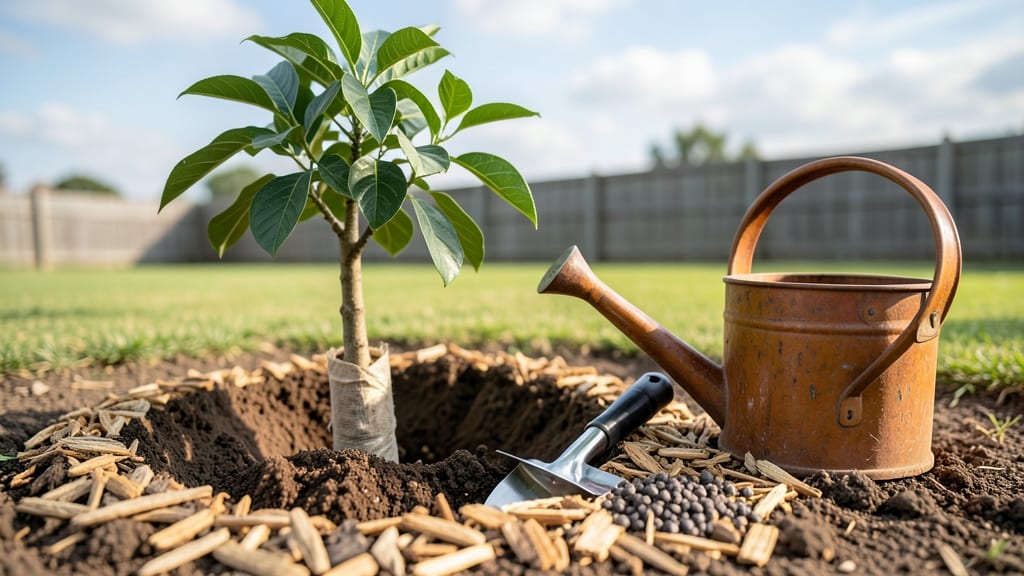
Optimal planting months by USDA climate zones for avocado trees
Avocado trees thrive in USDA zones 9-11, where warm temperatures and frost-free conditions create ideal growing environments. Planting at the right time ensures strong root establishment and minimizes transplant shock. The best window depends on your specific zone, soil warmth, and local frost patterns.
For fastest root growth, aim to plant when soil temperatures consistently reach 60°F (15°C)—this typically aligns with late spring in most warm climates. In coastal areas, you might extend planting into early summer, but inland regions should prioritize early spring to avoid summer heat stress.
Here’s a zone-specific breakdown of optimal planting months, including frost risk analysis and soil temperature requirements:
In Zone 9, where light frosts can occur, prioritize planting by late February to ensure roots establish before summer’s intense heat. Use mulch to insulate roots and retain moisture during dry spells.
For Zones 10 and 11, where frost is rare, focus on soil temperature rather than calendar months. A soil thermometer is your best tool—plant when readings hit 65°F (18°C) for Zone 10 or 70°F (21°C) for Zone 11.
Container-grown avocado trees adapt better to transplanting year-round in warm zones, but spring planting still yields the fastest growth. If planting in summer, provide extra shade for the first 4-6 weeks to reduce stress.
Pro tip: Check your local last frost date (use the Old Farmer’s Almanac calculator) and add 4-6 weeks to determine your safe planting window. This buffer accounts for root establishment time before summer heat arrives.
Always plant in well-draining soil with a slightly acidic pH (6.0-7.0). Amend heavy clay with compost or sand to prevent waterlogging, which can suffocate young roots.
Once planted, maintain consistent moisture for the first 3 months—deep watering every 7-10 days encourages deep root growth. Avoid overhead watering to prevent fungal diseases like root rot.
5 Critical signs your avocado tree is ready for ground planting
Moving your avocado tree from container to ground planting is a big step—doing it too early or late can stress the plant and slow its growth. Look for these 5 key signs to ensure your tree thrives in its new home.
The right timing reduces transplant shock and helps roots establish faster in well-draining soil.
First, check the root system by gently removing the tree from its pot. Healthy roots should be white or light tan and 1-2 inches long. If roots are circling the pot or appear dark and mushy, wait a few more weeks—they’re not ready for ground planting.
Root-bound trees struggle to adapt, so patience here pays off long-term.
Next, examine the leaf development. Your avocado tree should have 3-5 mature leaves (about 6-8 inches long) and a few new growth buds. Young leaves that are dark green and slightly waxy indicate the tree has enough energy to handle the stress of transplanting.
Avoid moving trees with yellowing or curling leaves, as this signals stress or disease.
- 🌱 Root Length: Roots should be 1-2 inches long and white/tan (not circling or mushy).
- 🍃 Leaf Maturity: 3-5 dark green leaves (6-8 inches) with new growth buds.
- ☀️ Seasonal Cues: Plant after last frost date in your USDA zone (e.g., April in Zone 9).
- 💧 Soil Warmth: Soil temp should be 60°F+ (test with a soil thermometer).
- 🌡️ Weather Stability: Avoid planting during heatwaves or rain (wait for mild, sunny days).
Seasonal timing is critical—plant your avocado tree after the last frost in your area. For USDA Zones 9-11, aim for late spring (March-May), while Zone 8 gardeners should wait until June to avoid late frosts.
Use a frost date calculator (like the Old Farmer’s Almanac tool) to pinpoint the safest window in your region.
Soil temperature matters just as much as air temperature. Avocado roots need warm soil (60°F+) to grow actively. Stick a soil thermometer 2 inches deep—if it reads below 60°F, delay planting.
Cold soil slows root growth and increases the risk of root rot, a common issue for newly transplanted trees.
Finally, choose a stable weather window for planting. Pick a day with mild temperatures (60-75°F) and no rain in the forecast. Avoid planting during heatwaves, as the shock of high temps can dehydrate the tree, or during prolonged rain, which can waterlog the soil and suffocate roots.
Early morning or late afternoon are the best times to transplant.
With these signs in mind, your avocado tree will have the best chance of thriving in its permanent home. Happy planting—and enjoy watching those roots spread into the earth! 🌳