
Plants
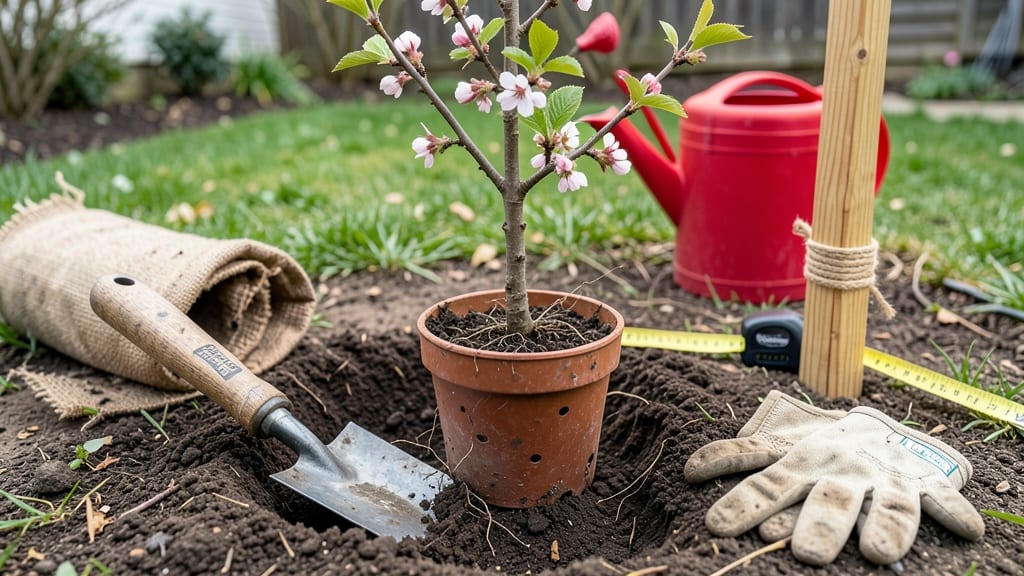
To plant a tree in the ground at the right time means the difference between a lush, decades-long investment and a struggling sapling that never lives up to its potential.
Picture this: You’ve just dug a hole for your new 🌳 oak sapling, only to watch it wilt under a late frost or bake in scorching summer heat. That’s why timing is everything—especially in USDA Zone 6a, where frost can linger well into April.
Most gardeners know spring and fall are the best seasons, but the exact window matters. Plant too early, and roots struggle to establish before winter; too late, and summer’s heat stresses young trees.
Below, I’ll break down the ideal months for your climate, how to prep soil for success, and the one mistake that kills trees faster than drought.
Ready to get it right the first time? You’ll learn how to read your local frost dates, adjust for soil temperature, and even spot the perfect signs that your tree is settling in for long-term growth.
Best months to plant trees by USDA climate Zone
Timing your tree planting is just as critical as choosing the right species. Planting during the dormant season—either late fall or early spring—gives roots time to establish before extreme weather hits.
The USDA hardiness zones (3-11) help narrow down the perfect window, as frost dates and soil temperatures vary dramatically across regions. For example, Zone 3 (coldest) has a much shorter planting window than Zone 10 (mild winters).
Most gardeners swear by fall planting because cooler temperatures reduce transplant shock, and winter rains help roots spread. However, spring planting works well in warmer zones where winters are mild. The key is avoiding extreme heat or frost periods, which can stunt growth or kill young trees.
Let’s break down the ideal months for each zone to help you plan your planting schedule with confidence.
In Zones 3-4, where winters are harsh, I always recommend fall planting (September-October) because the ground stays workable longer than in spring. The soil temperature must be above 40°F for roots to establish—otherwise, they’ll stay dormant and struggle to grow.
If you miss fall, wait until late April when the last frost has passed and the soil is thawed.
For Zones 5-6, both spring and fall work, but spring planting (March-April) gives trees a full growing season before winter. The trick is to plant 4-6 weeks before the first frost in fall, so roots can harden off.
In my experience, maple trees and oak trees thrive when planted in early spring because they need time to recover from transplant shock before summer heat arrives.
In warmer zones (7-10), the focus shifts to avoiding summer heat and drought. Planting in late fall or winter (November-February) keeps soil moist and reduces stress. For example, Zone 9 gardeners can plant citrus trees in November, while Zone 10 offers year-round opportunities—but winter is ideal.
Pro tip: Mulch heavily in these zones to retain moisture during dry spells.
One common mistake I see is planting bare-root trees too early in spring when the ground is still frozen. Always check for soil workability—if it’s muddy or icy, wait.
Another pitfall is planting container-grown trees in peak summer heat, which causes root burn. For these, I recommend early morning planting on a cloudy day to minimize stress.
Evergreen trees like pine or spruce need special attention because their needles dry out quickly in wind or sun. Plant them in late fall or early spring when humidity is higher. Deciduous trees, like birch or willow, are more forgiving and can handle a wider planting window.
The rule of thumb? Plant when the tree is dormant—either before buds swell in spring or after leaves fall in autumn.
If you’re in a transition zone (e.g., Zone 7b with unpredictable frosts), err on the side of earlier planting. For instance, I planted a redbud tree in Zone 7 in early March, and it established roots before summer arrived.
The key is to monitor local frost dates and adjust accordingly. Websites like the National Oceanic and Atmospheric Administration (NOAA) provide frost maps to help.
Finally, don’t overlook microclimates in your area. A south-facing slope might warm up faster than the rest of your yard, allowing earlier planting. Conversely, a low-lying area could stay cold longer. Use these natural variations to your advantage—plant heat-loving trees like peach on sunny slopes and cold-hardy
Signs your tree planting timing is perfect (or terrible)
Planting a tree at the wrong time can stress your sapling, leading to slow growth or even death. The key is understanding your local climate and seasonal cues. For example, fall planting in zones 5-8 lets roots establish before winter, while spring planting avoids summer drought stress.
Even small mistakes—like planting too early when soil is still frozen—can set your tree back for years.
I’ve learned the hard way that soil temperature is the #1 indicator. If the ground is below 50°F (10°C), roots struggle to grow. Use a soil thermometer to check—this simple tool can save you from costly mistakes.
Another red flag? Active leaf buds on deciduous trees mean it’s too late for spring planting; you’ll shock the tree’s system.
🌱 Warning: Planting Pitfalls
- Extreme heat (>90°F/32°C) causes transplant shock—roots dry out before they establish.
- Frozen soil prevents root growth; wait until you can dig 6 inches deep without resistance.
- Drought conditions mean your tree competes with weeds for moisture—mulch heavily to retain water.
- Late fall planting risks frost damage before roots anchor; finish by 6 weeks before first frost.
Look for steady rainfall (1 inch/week) before planting—this ensures your tree’s roots can hydrate without your help. If your area is dry, schedule planting around predictable rain or use a drip irrigation system for the first 3 months.
Evergreens like pine or spruce need special attention: plant them in early fall so they have 6-8 weeks to harden off before winter.
Your tree’s health also signals timing. If you see yellowing leaves after planting, it’s often a sign of overwatering or root suffocation—common when planting in waterlogged soil. Conversely, crispy leaf edges mean you planted during a heatwave.
Always check the root flare (where roots meet trunk) to ensure it’s level with the soil—burying it too deep suffocates roots.
Use this seasonal checklist to avoid mistakes: ☑️ Spring: Plant when soil is workable (not muddy) and buds haven’t swollen. ☑️ Fall: Finish by 4-6 weeks before frost; aim for 50-60°F (10-15°C) soil temps. ☑️ Summer: Only plant bare-root trees in shade-cloth-covered pits to protect roots. ☑️ Winter: Never plant—roots can’t grow in freezing temps.
Pro tip: Container-grown trees can be planted year-round in mild climates, but bare-root trees must go in during dormancy (late fall/winter). Always water deeply after planting—10-20 gallons for small trees—to eliminate air pockets in the soil.
With the right timing, your tree will reward you with decades of shade and beauty.