
Flowers
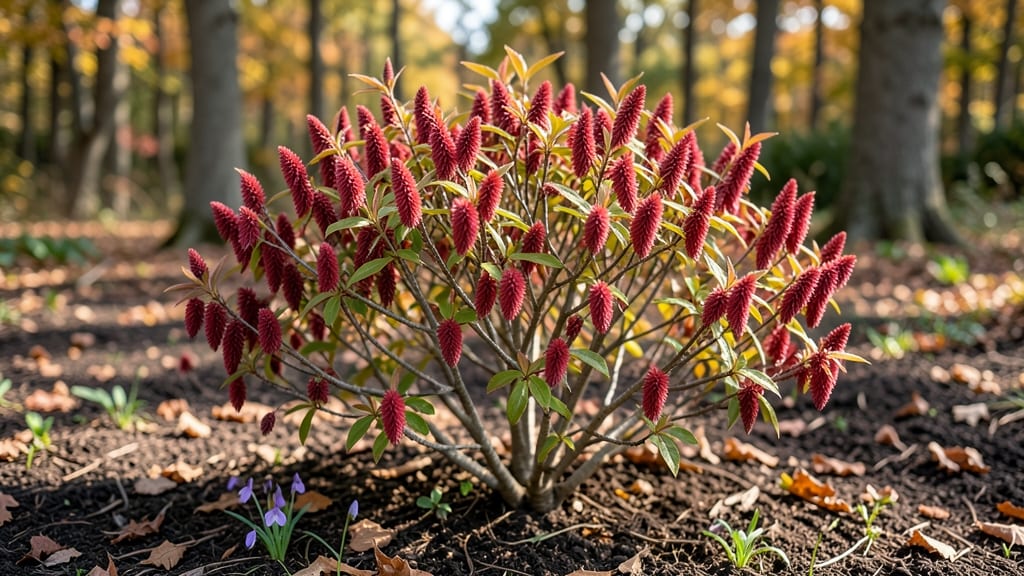
That red fuzzy flower on your tree isn’t just pretty—it’s a sign your pruning game just got better. 🌿 I’ve spent years perfecting the art of keeping trees like Cornus sericea (Redtwig Dogwood) and Callistemon (Bottlebrush) blooming year-round, and the secret isn’t what you think.
Most gardeners over-prune, stripping away next season’s flowers in the process. But with the right timing and technique, you’ll turn bare branches into a winter wonderland of color.
The key is pruning in late winter or early spring, right before new growth starts. These trees bloom on old wood, meaning last year’s branches hold this season’s fuzzy red blooms. Cut back one-third of the oldest stems each year to encourage fresh growth while preserving the flowers.
Avoid heavy pruning in fall—you’ll be left with bare stems just as winter sets in. For Callistemon, which blooms on new wood, a light trim after flowering keeps them compact and bushy.
By summer, you’ll see vibrant new shoots and those signature fuzzy red plumes reappearing—often even more dramatically than before. The trees stay healthier, grow denser, and become the standout feature of your landscape.
The best part? This method works for both small gardens and large landscapes, adapting to your space and climate.
Ready to transform your tree into a blooming machine? The tools you need are simple—a sharp pair of pruners, gloves, and a clear day to work. Let’s get those branches looking intentional, not overgrown.
The Science Behind Blooms
The vibrant red fuzzy flowers you adore on your tree aren’t just a random burst of color—they’re the result of a carefully orchestrated biological process. Understanding why these flowers appear (and sometimes don’t) helps you nurture your tree for lush, year-round blooms.
Let’s break down the key factors that trigger—or sometimes stifle—this floral spectacle.
Not all trees are born equal when it comes to fuzzy red blooms. The Cornus florida (flowering dogwood) or Callistemon (bottlebrush) species, for example, are genetically programmed to produce these striking flowers. Their DNA dictates:
- Flower type: Fuzzy, feathery petals (like those on Callistemon) are adapted to attract pollinators like bees and hummingbirds.
- Bloom timing: Some varieties are hardwired for spring bursts, while others (like Cornus kousa) may rebloom in summer with proper care.
- Color intensity: Red hues often signal high anthocyanin production, a pigment that protects flowers from UV damage and looks stunning.
Actionable insight: If your tree isn’t flowering, check its species. Some cultivars (like ‘Cherokee Brave’ dogwood) are bred for repeated blooms—plant these for reliable fuzzy red displays!
Red fuzzy flowers are sun-worshippers. These blooms rely on photosynthesis to fuel their growth, and insufficient light triggers a domino effect:
- Weak stems: Low light = less glucose = limp, sparse growth. Trees like Callistemon need 6+ hours of direct sun daily to thrive.
- Delayed blooming: Shady spots force the tree to prioritize leaf production over flowers, often pushing blooms later in the season (or canceling them entirely).
- Pale petals: Without strong sunlight, anthocyanins (the pigments behind red hues) don’t develop fully, resulting in duller, less vibrant flowers.
Actionable fix:
- 🔥 Move potted trees to sunnier spots in spring.
- 🌳 Thin nearby branches or remove overhanging trees blocking light.
- ⏳ Be patient: Newly planted trees may take 2–3 years to adjust and bloom fully.
Too much or too little water can silently sabotage your tree’s floral plans. Here’s how:
| Issue | Effect on Flowers | Signs to Watch For |
|---|---|---|
| Underwatering | Bud drop before opening; small, weak blooms | Cracked soil, wilting leaves, dry bark |
| Overwatering | Root rot blocks nutrient uptake → no energy for flowers | Yellowing leaves, mushy stems, fungal growth |
| Inconsistent watering | Stress triggers premature leaf drop, diverting energy away from buds | Curling leaves, uneven growth |
Actionable tip: 🌡️ Test soil moisture 2 inches below the surface before watering. Aim for consistently moist (not soggy) soil. Mulch with 3–4 inches of organic matter (like wood chips) to retain moisture and regulate temperature.
Pruning is a double-edged sword—done wrong, it can permanently reduce or eliminate fuzzy red flowers. Here’s how:
- Timing errors:
- Pruning after buds form (late winter/early spring) removes next year’s flowers.
- Trimming too late (summer/fall) can stunt new growth needed for reblooming.
- Over-pruning: Cutting back more than 25% of the canopy in one go stresses the tree, diverting energy to recovery instead of blooms.
- Wrong cuts: Removing old wood (where many fuzzy flowers form) or flower buds (often hidden in leaf axils) kills potential blooms.
Actionable rule: ✨ Prune in late winter (before buds swell) using these steps:
- 🔪 Remove dead/diseased branches first.
- 🌿 Thin out crowded branches to improve airflow (but leave at least 3–4 main stems).
- 🌱 Avoid “topping” (cutting flush to a branch)—this encourages leafy growth over flowers.
Pro tip: If your tree skips blooms after pruning, it’s likely recovering. Give it a balanced fertilizer (high in phosphorus for flowers) in early spring to boost energy reserves.
Revitalize Blooming Beauty
Your tree’s vibrant red fuzzy flowers deserve a second chance—whether they’re fading, sparse, or struggling to thrive. The good news? With the right care, you can restore their lushness and keep those cheerful blooms coming year-round.
Below, we’ve mapped out practical solutions tailored to common issues, from pruning mistakes to environmental stressors, plus prevention tips to keep your tree flourishing.
If your tree’s blooms are sparse or stunted, aggressive pruning—especially in late winter or early spring—can cut off next year’s flower buds. Many fuzzy-flowered trees (like Cornus florida or Viburnum) set buds in the previous growing season, so timing matters.
How to Fix It:- 📅 Prune at the right time: Wait until after the tree finishes blooming (late spring/early summer) to avoid removing next year’s buds. For evergreens like Pieris japonica, prune lightly in late winter before new growth starts.
- 🔪 Trim selectively: Remove only dead, diseased, or crossing branches. Use clean, sharp pruners to make angled cuts just above a bud or lateral branch.
- 🌱 Encourage new growth: After pruning, fertilize lightly with a balanced 10-10-10 or slow-release granular fertilizer to support recovery.
Mark your calendar! Note your tree’s bloom cycle and prune after flowers fade but before summer heat sets in. For heavy bloomers, avoid “rejuvenation pruning” (cutting back hard)—it can sacrifice flowers for years.
While some fuzzy-flowered trees love sun, intense heat or full-day exposure can scorch leaves and reduce blooms. Yellowing leaves or wilting flowers? Your tree might be overheating.
How to Fix It:- 🌳 Provide afternoon shade: If your tree is in a hot, west-facing spot, add a temporary shade cloth (30-50%) during peak summer months or plant nearby shade-loving companions like Hydrangeas or Azaleas.
- 💦 Water deeply (but not too much): Water at the base early in the morning (1-2 inches per week). Mulch with 2-3 inches of organic material (wood chips, bark) to retain moisture and cool roots.
- 🌿 Trim lower branches: If the tree is crowded, thin out dense foliage to improve airflow and reduce heat buildup.
Choose the right location! If your climate is scorching, opt for varieties like Viburnum bodnantense (winter bloomer) or Weigela, which tolerate partial shade better than full sun.
Drooping leaves, crispy edges, or flowers that wilt by noon? Your tree might be thirsty—or drowning in soggy soil. Both extremes stress blooms.
How to Fix It:- 📏 Check soil moisture: Stick your finger 2 inches into the soil. If it’s dry, water thoroughly. If it’s muddy, hold off until the top 1-2 inches dry out.
- 🚰 Improve drainage: Amend heavy clay soil with compost or sand. For container-grown trees, ensure pots have drainage holes and use a well-draining mix.
- 🌿 Mulch properly: Apply 2-3 inches of mulch around the base (but not touching the trunk) to lock in moisture and regulate temperature.
Group trees with similar water needs together (e.g., Fothergilla and Hamamelis prefer moist but not soggy soil). Use a rain gauge to track weekly rainfall and adjust watering accordingly.
Chewed leaves, black spots, or sticky sap? Pests like spider mites, scale, or fungal diseases (like powdery mildew) can drain energy from your tree, reducing flower production.
How to Fix It:- 🔍 Identify the problem:
- Pests: Look for webs (mites), white cottony growth (scale), or holes in leaves (caterpillars).
- Disease: Check for powdery white residue (mildew), black spots (fungus), or oozing cankers (bacterial infection).
- 🧼 Treat naturally first:
- Spray with neem oil (mix 1 tbsp per quart of water) for mites/scale.
- Apply baking soda spray (1 tsp baking soda + 1 quart water + drop of dish soap) for powdery mildew.
- Prune and sterilize tools with rubbing alcohol to remove infected branches.
- 💊 Use chemical defense (last resort): For severe infestations, opt for horticultural oil or fungicide labeled for your tree type.
Promote tree health year-round! Fertilize in early spring with low-nitrogen, high-phosphorus (e.g., 5-10-10) to boost blooms and resistance. Avoid overhead watering to prevent fungal spores.
Frost-sensitive fuzzy-flowered trees (like Pieris) can suffer if buds form too early and get nipped by late freezes. Brown, mushy buds or blackened flowers? It’s a cold injury.
How to Fix It:- 🌡️ Protect new growth: Cover young trees with frost cloth on nights when temps drop below 28°F. Secure loosely to avoid heat buildup.
- 🌱 Prune damaged branches: Cut back dead or blackened stems in late winter/early spring to encourage fresh growth.
- 🌿 Choose cold-hardy varieties: If your area has erratic freezes, opt for Viburnum plicatum or Cornus sericea, which tolerate colder climates.
Monitor your local frost date (average last spring freeze) and avoid heavy pruning until after it passes. For container trees, move them to a sheltered spot before winter.
With these targeted fixes, your tree’s red fuzzy flowers should bounce back stronger than ever. Remember: consistency is key—whether it’s watering, pruning, or pest control, small efforts add up to big blooms! 🌸
Frequently asked questions
What are some common trees with red fuzzy flowers?
The most popular trees with these striking blooms include Cornus sericea (Redtwig Dogwood), Callistemon (Bottlebrush), and Pieris japonica (Japanese Andromeda). These varieties are prized for their vibrant winter color and ability to attract pollinators. For a more compact option, consider Viburnum bodnantense (Winter Lilac).
Why do some trees with red fuzzy flowers stop blooming?
Common reasons include improper pruning timing (cutting after buds form), insufficient sunlight (6+ hours daily), or inconsistent watering. Overwatering or underwatering both stress the tree, diverting energy away from flower production. Check your tree’s specific needs—some varieties bloom on old wood while others need new growth.
Can I grow a tree with red fuzzy flowers in a container?
Yes! Dwarf varieties like Callistemon ‘Little John’ or Pieris ‘Little Heath’ thrive in containers. Use well-draining soil and a pot with drainage holes. Move containers to sunnier spots in winter when daylight is shorter, and water when the top 1-2 inches of soil feel dry. Fertilize lightly in spring with a balanced formula.
How do I know if my tree needs pruning for better blooms?
Look for overcrowded branches, dead wood, or stems crossing each other. The best time to prune depends on your tree: For Cornus (dogwood), prune in late winter before buds swell. For Callistemon, trim after flowering to encourage new growth. Avoid heavy pruning—never remove more than 25% of the canopy at once.
Are red fuzzy flowers toxic to pets?
Most trees with these flowers are non-toxic, but always verify with your vet. Callistemon and Pieris are generally safe, while Cornus species contain mild cyanogenic glycosides that can cause stomach upset if ingested in large quantities. Keep an eye on curious pets and remove any wilted blooms that might tempt them.