
Landscaping
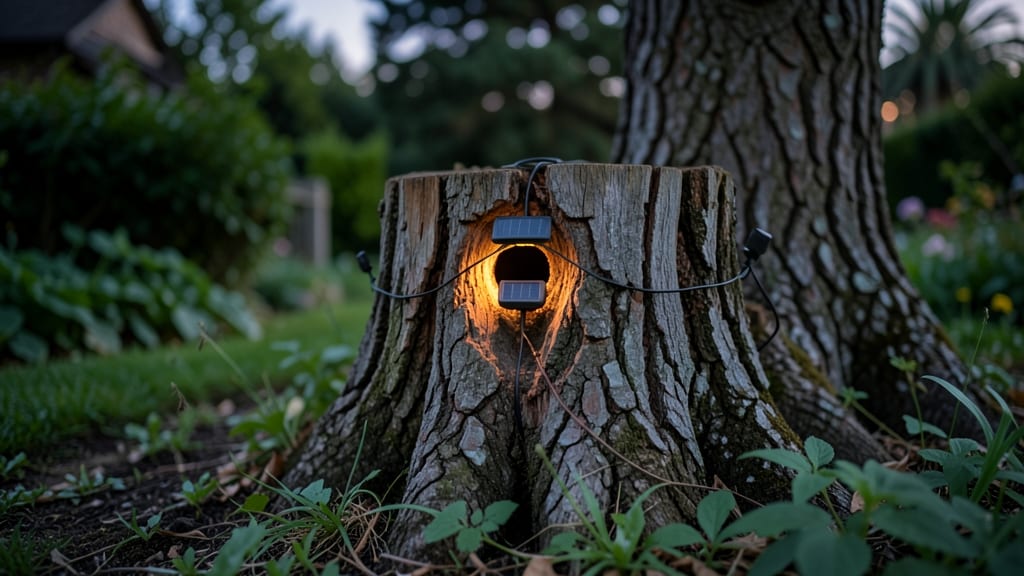
Transforming old tree stumps into bird houses isn’t just eco-friendly—it’s a creative way to attract feathered friends while adding rustic charm to your garden. These 10 upcycled designs blend functionality with natural aesthetics, perfect for DIY gardeners and wildlife enthusiasts alike.
Classic Woodpecker Stump House with Drill Holes
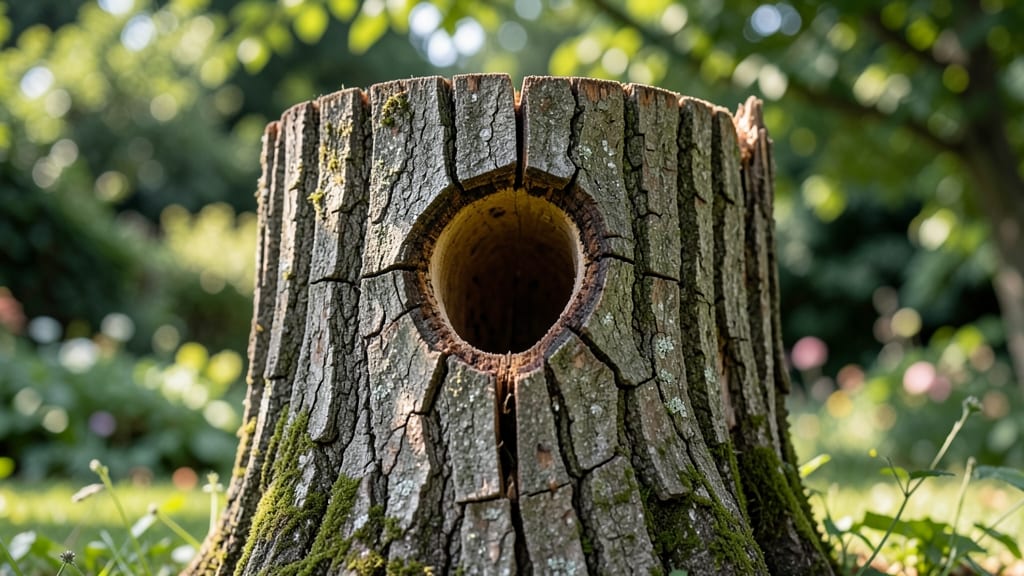
If you’ve ever watched woodpeckers drumming against dead trees, you know they’re drawn to the same natural hollows your DIY stump house can provide. This classic design mimics those cavities, offering a secure nesting spot for woodpeckers, chickadees, and wrens while repurposing a garden eyesore into functional art.
Use a hand drill to carve 2-3 inch diameter holes (or slightly smaller for chickadees) in the stump’s side, positioning them 4-6 feet off the ground for safety. Line the holes with untreated wood shavings for insulation, and leave the stump’s natural bark intact to blend seamlessly into your landscape. Cedar or oak stumps resist rot best, ensuring your house lasts for years.
This low-maintenance design thrives in backyard gardens, wooded edges, or even urban courtyards—ideal for gardeners who love wildlife but want minimal upkeep. Plus, the rustic charm adds instant character to any outdoor space. 🌿
Open-Front Bluebird Nest Box
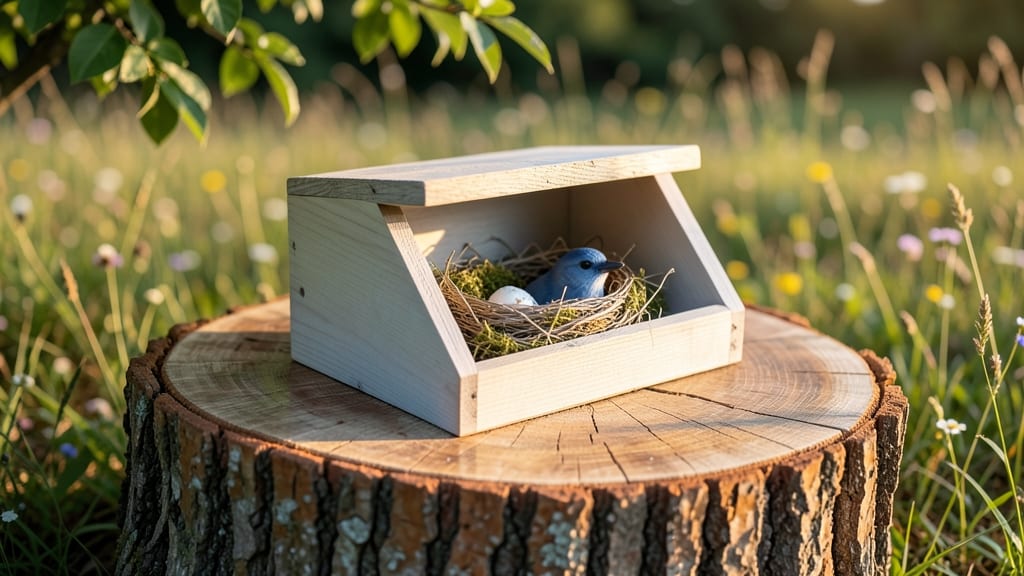
Want to give bluebirds and wrens a safe home while supporting local conservation efforts? An open-front nest box carved into a tree stump lets you monitor nesting activity without disturbing the birds—predators like raccoons can’t reach inside, and the natural wood keeps eggs at the perfect temperature.
Carve a rectangular cavity (about 4-6 inches deep) with an open front, then add a predator guard (like a metal mesh screen) over the top to block snakes and squirrels. Mount the stump 4-5 feet off the ground near shrubs for easy access to insects. Use untreated cedar or pine to prevent rot, and avoid painting the interior—birds prefer natural materials.
This design is perfect for gardeners passionate about wildlife conservation, especially in areas where bluebird populations are declining. Place it near a meadow or wildflower patch to give nesting birds easy access to food. 🌿
Mushroom-Shaped Hummingbird Perch House
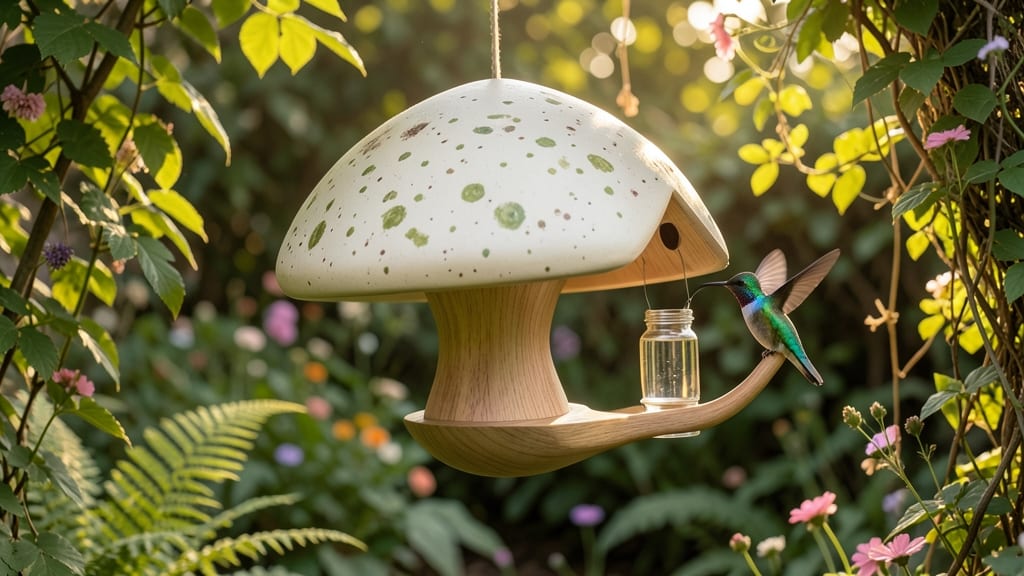
Turn your garden into a hummingbird haven with a mushroom-shaped perch house that doubles as a whimsical focal point. This charming design combines a traditional bird house with a hummingbird perch, creating a dual-purpose feature that attracts both birds and pollinators while adding enchanting flair to your outdoor space.
Start with a small tree stump (6-8 inches tall) and carve a mushroom-like roof from a separate piece of wood, attaching it with waterproof adhesive. Add a small perch (about 2 inches wide) near the top for hummingbirds to rest, and include a 1.5-inch diameter entrance hole for nesting birds like wrens or chickadees. Paint the stump in earthy tones with gold accents to mimic natural elements, and surround it with ferns or ivy for a magical touch.
This design is perfect for urban gardeners, fairy garden enthusiasts, or anyone who loves whimsical decor—it’s easy to install and requires minimal maintenance while boosting your garden’s charm and wildlife appeal. 🌟
Stacked Stump Suet Feeder House
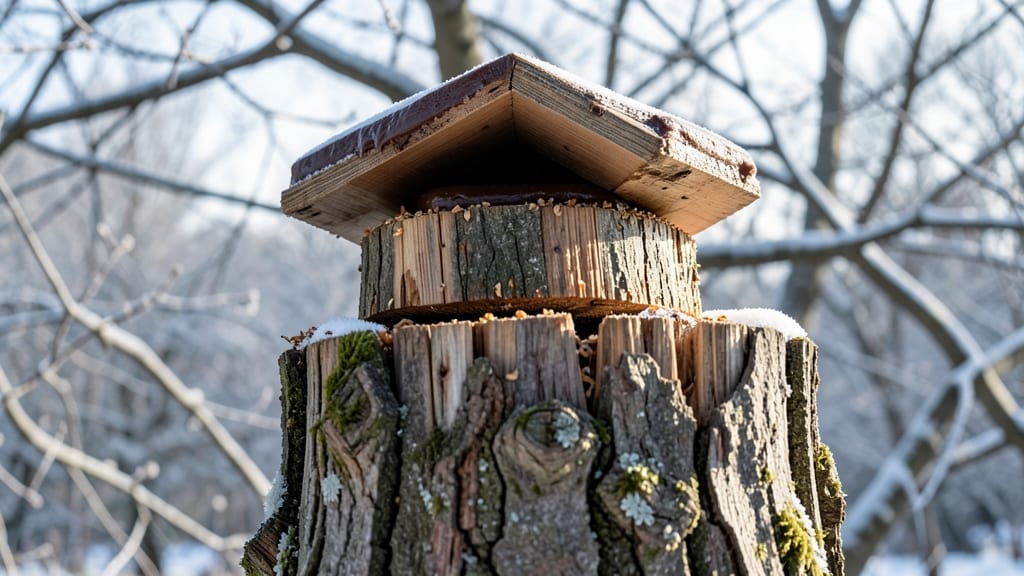
When winter winds howl and seed supplies dwindle, stacked stump suet feeder houses become a lifeline for birds like nuthatches and woodpeckers—offering both shelter and sustenance in one elegant package. This two-tiered design repurposes a larger stump as a nesting chamber while the smaller, elevated stump holds suet cakes, creating a natural feeding station that mimics the layered bark of mature trees.
Carve the upper stump with suet pockets (use a router or chisel for clean edges) and mount it on top of a slightly larger stump that’s hollowed out for nesting. Position the feeder house 5-6 feet off the ground to deter ground predators, and use cedar or pressure-treated wood to resist rot. Refresh suet every 2-3 weeks or when it softens from moisture, and watch as year-round residents like chickadees and titmice become regular visitors.
This design is a game-changer for gardeners in colder climates or urban areas where natural food sources are scarce. Plus, the stacked aesthetic adds vertical interest to small spaces, making it both functional and visually striking. 🌟
Hollowed-Out Owl Perch House
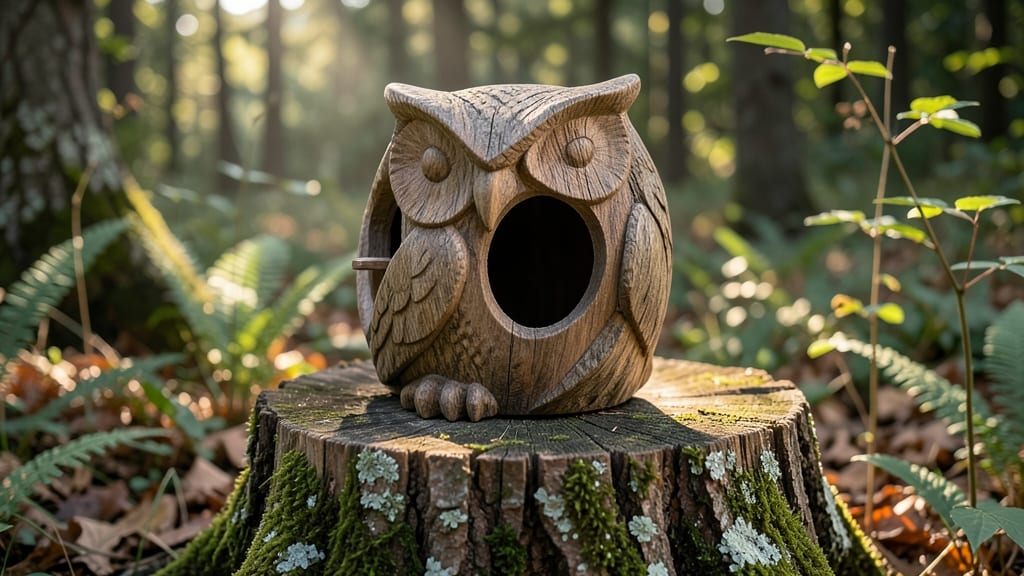
Turn your garden into a woodland sanctuary with a hollowed-out owl perch house—a striking centerpiece that mimics an owl’s natural roost while offering shelter for small birds like sparrows and finches. This dramatic design isn’t just functional; it transforms a simple stump into a focal point that whispers of forest magic, especially when placed near shrubs or along garden paths.
Carve a deep, curved hollow (about 8-10 inches wide and 6 inches deep) into the stump’s top or side, smoothing the edges with sandpaper for safety. Mount it 5-7 feet off the ground on a sturdy post, and surround the base with dried grasses or feathers for an authentic touch. Use cedar or black locust wood to resist rot, and avoid paint—birds prefer natural textures. Place it in a semi-shaded spot to protect nesting birds from extreme heat.
This design is ideal for gardeners who love dramatic, nature-inspired art and want to attract birds without sacrificing aesthetics. Perfect for woodland gardens, cottage-style yards, or even urban courtyards, it’s a conversation starter that doubles as a wildlife haven. 🌟
Miniature Fairy Garden Stump House
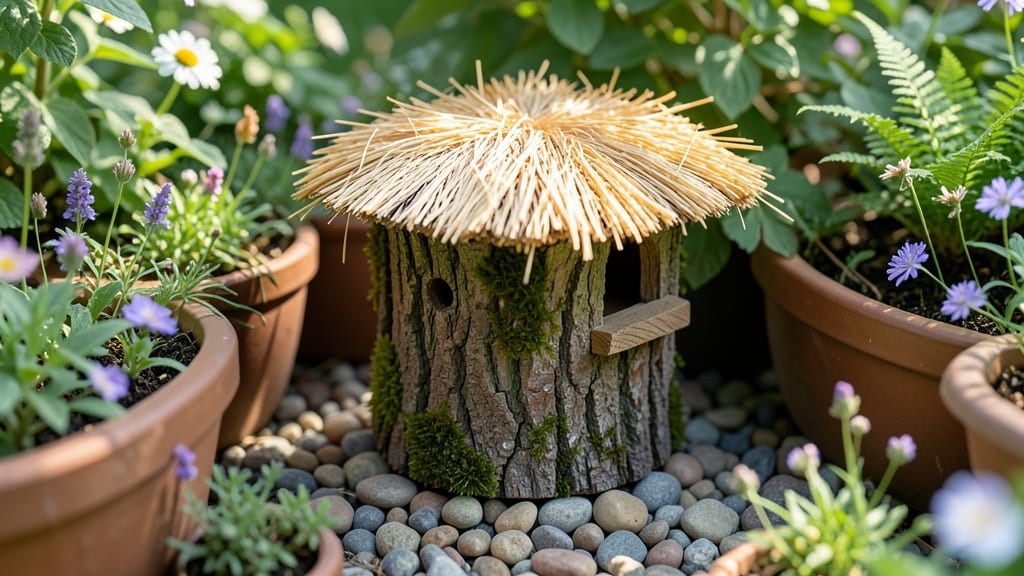
Turn your container gardens into enchanting fairy havens with a miniature stump house—perfect for sparrows, finches, and tiny garden visitors. These pint-sized designs (just 6-8 inches tall) transform a small stump into a whimsical home, complete with thatched roofs, moss accents, and pebble pathways that mimic a forest floor.
Carve a tiny cavity (about 2 inches deep) with a 1-inch entrance hole—ideal for small birds. Use untreated cedar for durability, and decorate with natural materials like twigs, dried flowers, or moss to blend seamlessly into your fairy garden. Place it on a raised platform or windowsill to keep it safe from ground predators while adding charm to balconies or patio containers.
This design is pure magic for urban gardeners, kids’ play gardens, or fairy-themed landscapes—it’s small enough for tiny spaces but big enough to attract real wildlife. Watch sparrows and finches investigate their new "fairy castle" while you enjoy the magical touch it adds to your garden. ✨
Carved Bat Box Stump Hybrid
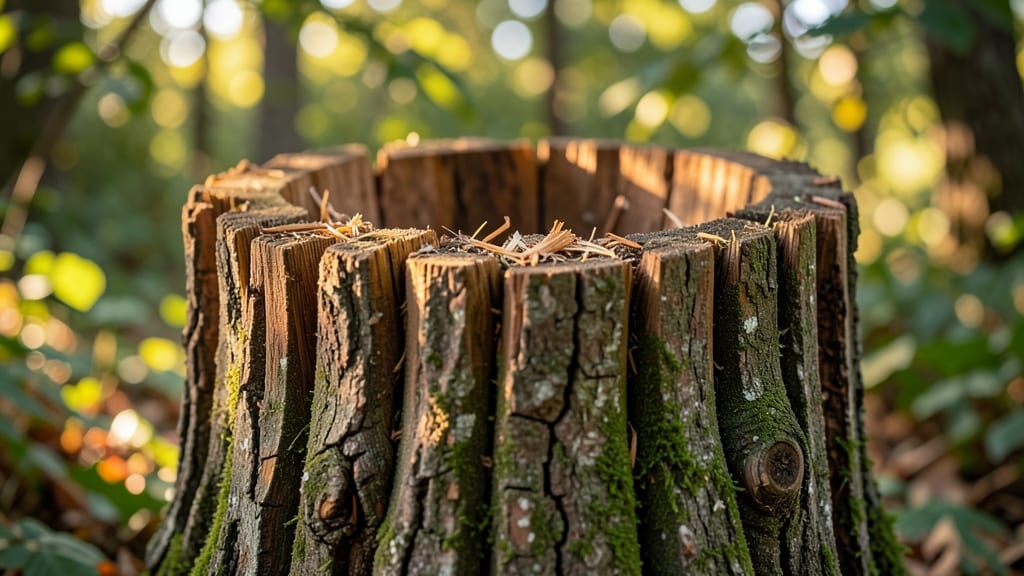
If you live in a region where bats are active night pollinators, this dual-purpose design lets you support both birds and bats with a single stump. The vertical grooves carved into the wood create bat-friendly crevices while leaving space for small birds to nest—perfect for eco-conscious gardeners who want to maximize wildlife benefits.
Start by selecting a cedar or oak stump (both resist rot well) and use a chisel to carve 1/4-inch vertical grooves in clusters, mimicking tree bark texture. Add a slanted roof to shield both bats and birds from rain, then mount the stump 6-8 feet high on a brick wall or sturdy post. Place it near water sources and flowering plants to attract bats, which will hunt insects drawn to these areas.
This versatile design thrives in backyard gardens, community green spaces, or even urban courtyards—ideal for gardeners who love sustainable solutions and want to create a thriving ecosystem. 🌟
Hanging Stump Bird House with Rope
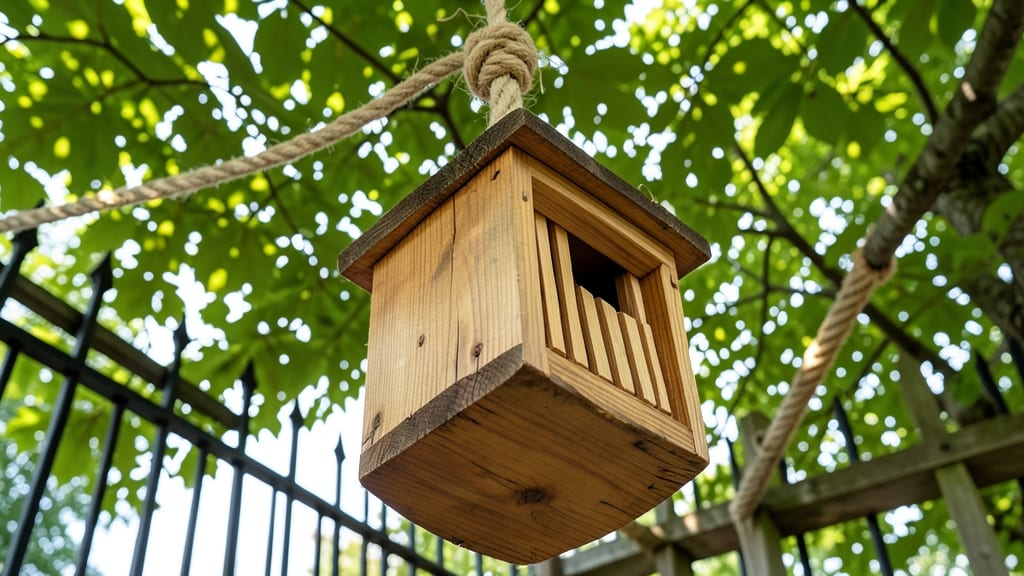
Tired of ground predators like raccoons and snakes threatening your bird house? A hanging stump bird house with rope keeps nesting birds safe while adding a whimsical touch to balconies, patios, or small gardens. This portable design lets you relocate it seasonally—hang it high in summer to deter pests, then lower it in winter for easier cleaning or to provide extra shelter during cold snaps.
Start with a small to medium tree stump (12-18 inches in diameter) and carve a 3-4 inch entrance hole (ideal for chickadees or wrens). Drill drainage holes in the base to prevent moisture buildup, then secure thick natural rope (like hemp or jute) through pre-drilled holes in the stump’s sides. Suspend it 5-6 feet off the ground using a sturdy hook or branch, ensuring it sways slightly to mimic natural tree movement. Avoid treating the wood—birds prefer untreated cedar or pine for nesting.
This flexible design is perfect for urban gardeners, balcony dwellers, or anyone with limited space. The mobility lets you rotate the house to different spots, giving birds fresh territory while keeping your garden’s aesthetic versatile. Plus, the rope adds a rustic, organic feel that blends seamlessly with hanging plants. 🌱
Sculpted Tree Stump with Hidden Cavities
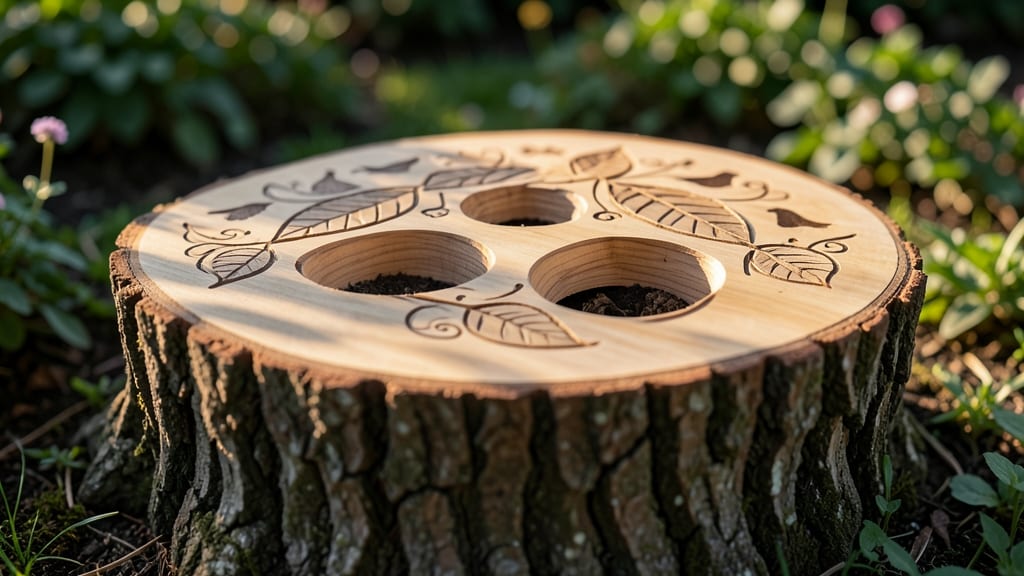
Turn your woodworking skills into wildlife-friendly art with a sculpted tree stump featuring hidden nesting cavities that double as a garden statement piece. Unlike basic stump houses, this design lets you carve intricate patterns—think leaf motifs, swirls, or even tiny bird silhouettes—while creating secure nesting spaces for chickadees, wrens, or even small songbirds. The key is blending form and function: use a jigsaw or chisel to hollow out cavities (3-4 inches deep) behind your carvings, ensuring predators can’t reach inside.
For longevity, seal the stump with non-toxic wood finish (like tung oil) to protect against rot, and mount it on a stable base (like a stone slab) to prevent wobbling. Place it near dense shrubs for natural camouflage, and avoid painting the interior—birds prefer the raw wood’s texture. This project is perfect for gardeners who love handcrafted garden art and want to attract wildlife without sacrificing aesthetics.
Ideal for experienced woodworkers or those with access to a workshop, this design transforms a simple stump into a conversation-starting garden feature that thrives year-round. 💚
Solar-Light Tree Stump Bird House

Struggling to keep nocturnal critters away from your bird house while still welcoming daytime visitors? A solar-light tree stump bird house solves both problems with one clever addition—a tiny, rechargeable solar light that deters raccoons and owls while gently illuminating the entrance for safety.
Install a small solar panel (about 3"x3") on the roof to power an LED light that activates at dusk. Position the entrance 3-5 feet off the ground in a shady or partially shaded spot to maximize battery life. Use untreated cedar or pine for the stump to prevent rot, and add a predator baffle below the house for extra protection. The soft glow also makes it easier to spot nesting activity during evening checks.
This design is a game-changer for urban gardeners, small-space balconies, or low-light areas where traditional bird houses struggle. Plus, the subtle lighting adds a whimsical touch to your garden after dark. ✨