
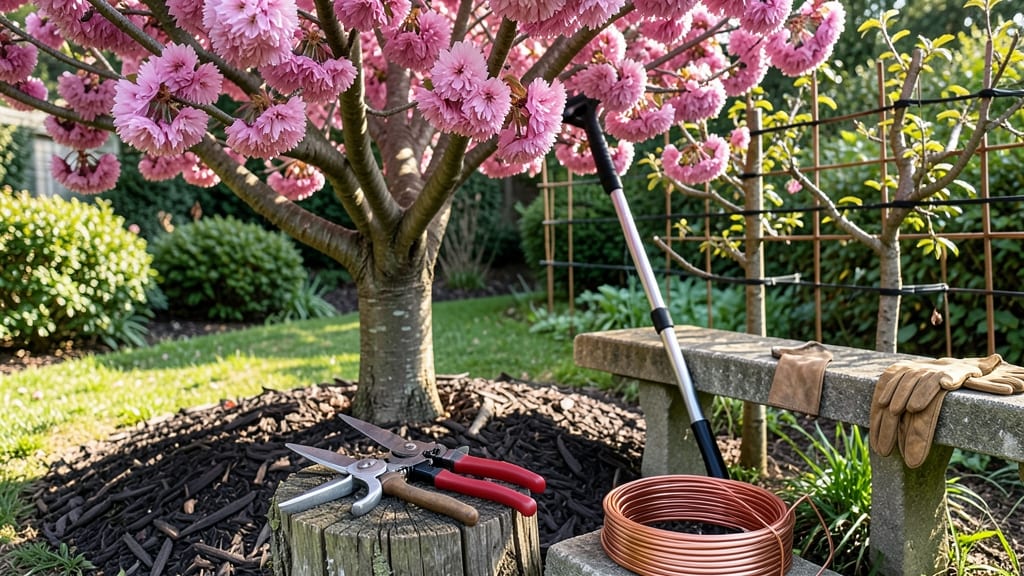
Tree Shaping Ideas: Pruning Techniques for Year-Round Architectural Beauty

Trees

Tree Shaping Ideas: Pruning Techniques for Year-Round Architectural Beauty

Shaping your 🌳 into a stunning architectural feature is easier than you think—these creative tree shaping ideas will turn any yard into a year-round masterpiece.

Picture this: a perfectly sculpted topiary framing your patio or a graceful pollarded tree providing shade while saving space. With the right techniques, you can achieve both beauty and function without sacrificing the tree’s health.

Whether you’re working with a small urban garden or a sprawling backyard, the key lies in understanding which pruning methods suit your tree species and climate. From formal designs to natural, organic shapes, we’ll break down everything you need to know.

Discover how to prune for long-term structural beauty, the best tools for the job, and seasonal tips to keep your trees thriving. Let’s get started!

10 Creative tree shaping techniques for different landscapes

Transforming your yard into a living masterpiece doesn’t require a green thumb—just the right tree shaping techniques to create architectural beauty that lasts year-round. Whether you're working with a small urban patio or a sprawling rural property, these methods will help you sculpt trees into stunning focal points.

The key is choosing techniques that match your climate, tree species, and design goals while keeping plant health top of mind.

From the structured elegance of topiary designs to the wild elegance of cloud pruning, each technique offers unique benefits. Some methods, like espalier training, maximize space in small gardens, while others, like pollarding, encourage robust growth in larger landscapes.

Let’s explore how to apply these creative approaches to your outdoor space for lasting impact.

🌱 comparison table below compares the top 10 tree shaping techniques, including their ideal use cases, required tools, and maintenance levels.

How to prune for year-round structural beauty without harming trees

Pruning isn't just about trimming back overgrowth—it's an art that transforms your trees into year-round architectural masterpieces. The key lies in understanding seasonal timing and strategic cuts that encourage healthy growth while maintaining your desired shape.

Whether you're shaping a Japanese maple into a cloud or sculpting a boxwood hedge, the right approach ensures your trees stay vibrant and structurally sound for decades.

I've pruned everything from formal topiary to natural pollarding styles, and the difference between a healthy, thriving tree and one struggling from poor cuts is often just timing and technique.

Let's break down how to prune in each season to achieve that showstopping structure without causing damage. The secret? Work with the tree's natural growth patterns while gently guiding its form.

🌿 Step-by-Step Seasonal Pruning Guide

  1. 🌱 Spring (March-April): Focus on structural shaping—remove dead/diseased wood and crossing branches. This is ideal for heavy pruning as sap rises, encouraging new growth.
  2. ☀️ Summer (June-August): Light maintenance pruning to refine shape. Trim overly vigorous shoots and shape foliage—perfect for topiary details. Avoid heavy cuts to prevent stress.
  3. 🍂 Fall (September-October): Light cleanup pruning—remove weak or spindly growth before dormancy. Stop by November to avoid winter damage.
  4. ❄️ Winter (November-February): No major pruning—focus on removing dead wood only. Plan your spring shaping during this dormant period.

Pro Tip: Always use sterilized, sharp tools and make cuts at a 45-degree angle just outside the branch collar.

Your tools are just as important as your timing. I always keep a bypass pruner for small branches, loppers for medium-sized limbs, and a pruning saw for thicker cuts. Sterilize tools between cuts with rubbing alcohol to prevent spreading disease—this is non-negotiable for long-term tree health.

Start with the thinnest branches and work your way up to avoid overloading the tree's energy reserves.

One of the biggest mistakes I see is over-pruning in a single session, which can shock the tree and leave it vulnerable to pests or disease. Another common error is topping trees—cutting back to a stub—rather than making clean cuts at the branch collar.

This leads to weak, unsightly regrowth and can shorten the tree's lifespan. Always aim to remove no more than 25% of the tree's foliage in one season to maintain its vigor.

For year-round interest, consider incorporating layering techniques like espalier for fruit trees or cloud pruning for ornamental varieties. These methods create visual depth and texture, ensuring your trees remain stunning even in winter.

For example, a Japanese maple shaped into a weeping form will cascade elegantly year-round, while a boxwood hedge can be sculpted into geometric patterns for a formal garden.

Remember, the goal is to enhance natural beauty, not force an unnatural shape. Observe your tree's growth patterns and adjust your pruning plan accordingly. With patience and practice, your trees will reward you with structural beauty that complements your landscape for years to come. Happy pruning! ✂️

★★★★★4.9(1 review)
Categories Trees
Technique Best For Tools Needed Maintenance Visual Impact
Topiary Formal gardens, hedges Hand shears, wire frame High (frequent trimming) ⭐⭐⭐⭐⭐ (Classic elegance)
Espalier Small spaces, fruit trees Pruning saw, twine Medium (seasonal pruning) ⭐⭐⭐⭐ (Space-saving art)
Pollarding Large trees, park landscapes Loppers, chainsaw Low (every 2-3 years) ⭐⭐⭐⭐ (Natural grandeur)
Cloud Pruning Wild, natural landscapes Pruners, saw Low (minimal cuts) ⭐⭐⭐⭐ (Organic beauty)
Bonsai Indoor/outdoor miniatures Concave cutters, wire Very High (daily care) ⭐⭐⭐⭐⭐ (Miniature art)
Weeping Styles Japanese gardens, patios Hand pruners, support stakes Medium (seasonal shaping) ⭐⭐⭐⭐ (Graceful curves)
Vine Training Arbors, trellises Pruners, trellis wire Medium (regular guiding) ⭐⭐⭐⭐ (Vertical gardens)
Standard Shaping Formal landscapes Hedge shears, ladder High (year-round) ⭐⭐⭐⭐ (Structured look)