
Pruning
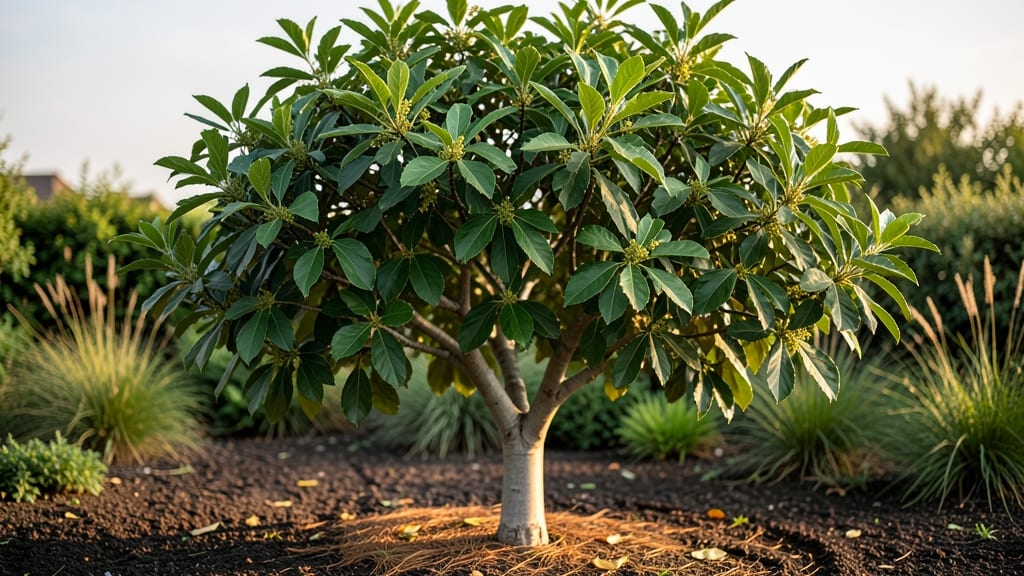
The Chinese pistache tree's leaf is what makes this drought-tolerant tree stand out—those striking silver-blue foliage and lobed edges that catch the light like no other shade tree. 🌿 I’ve pruned mine for years, and the secret to keeping those leaves vibrant through all four seasons isn’t complicated: it’s about understanding when and how to shape the tree.
The right cuts encourage dense growth, while the wrong ones leave you with sparse branches and dull leaves.
This tree thrives in full sun to partial shade, tolerates poor soil, and needs minimal water once established—perfect for low-maintenance landscapes. The leaves start bright green in spring, shift to that signature silver-blue in summer, and turn golden-yellow in fall before dropping.
Pruning in late winter or early spring (before new growth) keeps the shape clean and encourages healthy foliage all year.
You’ll end up with a tree that stays compact and lush, its leaves providing year-round interest. The lobed shape helps distinguish it from similar trees like the Chinese elm, and its drought resistance makes it a standout in hot climates.
With the right pruning, you’ll have a tree that’s both beautiful and hardy—no fancy tools or techniques required.
Whether you’re shaping a young sapling or maintaining a mature tree, the key is patience and timing. A little attention now means vibrant leaves and strong structure for decades. Let’s get those shears ready!
📚 In This Guide
- What you need
- Instructions
- Tips and common mistakes
- Wrapping up and next steps
What you need
- ● Pruning shears: Bypass pruners (sharp, 6–8 inches long) for small branches.
- ● Loppers: For medium branches (1–2 inches thick), with a 20–24-inch handle.
- ● Pruning saw: Curved-tooth saw for thick branches (2+ inches).
- ● Rubbing alcohol (70%+) or bleach solution: 1 part bleach to 10 parts water (for sterilizing tools).
- ● Garden gloves: Heavy-duty, cut-resistant gloves (e.g., Felco or Fiskars).
- ○ Disposable pruning bags: 3–5 gallon bags for collecting debris (optional but handy!).
- ● Step ladder or sturdy stool: Extendable ladder (12–16 feet) for tall trees.
- ● Permanent marker: For marking branches to remove.
- ● Chinese pistache tree: Mature tree (5+ years old) with healthy, dense foliage (avoid stressed or diseased trees).
- ● Tree wound paint: Pruning sealant (controversial—skip if your tree is Pistacia chinensis, which heals well without it!).
- ● Extension pole pruners: For high branches (16–20 feet reach).
- ● Safety goggles: To protect from debris (especially when sawing).
- ● Notebook & pen: To jot down pruning notes or sketch your tree’s shape.
- ● Mulch: Shredded bark or wood chips (for post-pruning tree care).
Instructions for pruning Chinese pistache trees for optimal growth
Here's how I shape these drought-resistant trees to keep them lush and healthy year-round.
✂️ Step 1: Prune During Dormant Season for Best Results
Winter is the ideal time to prune Chinese pistache trees, between late November and early March when the tree is fully dormant. This timing prevents stressing the tree during active growth periods and minimizes sap loss. Look for dead, diseased, or crossing branches—these are your first targets. I always start with these because they're the easiest to spot and remove.
Use sharp, clean pruning shears to make cuts just outside the branch collar—the swollen area where the branch meets the trunk. This ensures the wound heals properly and reduces the risk of disease. If you're dealing with larger branches, use a pruning saw for cleaner cuts. Avoid leaving stubs, as they can invite pests and infections. Remember, the goal is to open up the canopy for better airflow and sunlight penetration.
🌿 Step 2: Thin the Canopy to Encourage Stronger Growth
Once you've removed the dead or problematic branches, focus on thinning the canopy to improve light exposure and airflow. Aim to remove about 20-30% of the foliage to maintain the tree's natural shape while encouraging new growth. Start at the outer edges of the tree and work your way inward, removing branches that are growing inward or rubbing against others.
You'll notice the tree's structure becomes more open and airy as you go. This isn't just about aesthetics—it's about creating an environment where sunlight can reach the inner branches, promoting healthier foliage. I like to step back every few cuts to visualize the tree's shape. If you see areas where branches are too dense, keep thinning until you achieve a balanced look. This step is where you'll see the most dramatic improvement in the tree's overall health.
☀️ Step 3: Shape the Tree for Balance and Aesthetics
Now it's time to refine the tree's shape. Chinese pistache trees respond well to light pruning to maintain their natural form, but you can guide their growth to enhance their beauty. Focus on removing branches that disrupt the tree's symmetry or create an unbalanced silhouette. For a more formal look, you can prune branches to encourage a rounded or vase shape, but avoid over-pruning—this can stress the tree.
Pay attention to the tree's natural growth patterns. If you see branches growing in a direction that doesn't align with your vision, prune them back to a lateral bud or side branch. This encourages the tree to grow in the direction you want. I often use a 3-to-1 rule: for every 3 feet of branch length, remove 1 foot to maintain proportion. This keeps the tree looking full and healthy without over-pruning.
⏰ Step 4: Light Pruning During Growing Season for Maintenance
Throughout the growing season, perform light maintenance pruning to keep the tree looking its best. Remove any dead, broken, or diseased branches as soon as you notice them to prevent the spread of problems. You can also trim back any branches that are growing too long or out of place. This keeps the tree tidy and encourages new growth in the right areas.
During this time, avoid heavy pruning—stick to removing no more than 10-15% of the foliage at a time. This prevents stressing the tree and allows it to focus on producing new leaves and flowers. I like to prune just after the tree finishes flowering in early summer, as this encourages a second flush of growth. Always use clean, sharp tools to make precise cuts, and sterilize them with rubbing alcohol between cuts to prevent the spread of disease.
Tips & tricks for pruning Chinese pistache trees
These practical insights will help you master the art of shaping Chinese pistache trees for vibrant, healthy growth all year.
Timing is Everything: The dormant season window between late November and early March is non-negotiable for major pruning. I learned this the hard way—pruning in late spring can stimulate new growth that gets damaged by late summer heatwaves. If you must prune outside this window, limit yourself to removing only dead or diseased branches to minimize stress. The tree's natural defenses are strongest during dormancy, making it far more resilient to pruning.
Tool Precision Matters: Invest in quality pruning shears and a pruning saw—cheap tools create jagged cuts that heal poorly. I always sterilize my tools with rubbing alcohol between cuts to prevent spreading disease. For larger branches, make the initial cut about a foot from the trunk, then follow with a second cut just outside the branch collar. This technique prevents tearing and promotes faster healing. Remember, clean cuts heal 30% faster than jagged ones.
Visualize the Canopy: Step back every 5-10 cuts to assess the tree's shape from all angles. The goal is to create an open, airy structure that allows sunlight to reach all branches. I use a simple mental grid—imagine dividing the tree into four quadrants. Each quadrant should have balanced foliage density. This approach prevents over-pruning in one area while leaving others too dense. The 20-30% thinning guideline in Step 2 is your safety net for maintaining this balance.
Seasonal Maintenance Strategy: During the growing season, adopt a "less is more" philosophy. Remove only dead, broken, or diseased branches immediately—never more than 10-15% of foliage at once. I schedule my summer pruning sessions right after flowering to encourage that second flush of growth without overwhelming the tree. This light-touch approach prevents stress while keeping your Chinese pistache looking its best throughout the year.
Pro Tips for Chinese Pistache Tree Leaf
- These practical insights will help you master the art of shaping Chinese pistache trees for vibrant, healthy growth all year.
- Timing is Everything: The dormant season window between late November and early March is non-negotiable for major pruning.
- Tool Precision Matters: Invest in quality pruning shears and a pruning saw—cheap tools create jagged cuts that heal poorly.
Frequently asked questions
Got questions about pruning and maintaining your Chinese pistache tree? Here are some of the most common ones—plus expert answers to keep your tree thriving year-round!
When is the best time to prune Chinese pistache trees?
The ideal time to prune is late winter or early spring (just before new growth starts). This helps avoid stressing the tree during dormancy and encourages healthy regrowth. Light shaping can also be done in summer if needed, but avoid heavy pruning then.
How much can I trim back my Chinese pistache tree?
For young trees, you can remove up to 25-30% of the foliage per year to shape them. Mature trees tolerate 10-20% pruning annually. Never remove more than 30% at once, as this can shock the tree and reduce its resilience to pests or disease.
What should I do if my Chinese pistache leaves turn yellow after pruning?
Yellowing leaves can signal stress, often from over-pruning or improper timing. Ensure you’re cutting just outside the branch collar (not too close or too far) and avoid pruning during extreme heat or cold. If the issue persists, check for pests or nutrient deficiencies and adjust your care routine.
Can I use Chinese pistache leaves for anything besides pruning?
While the leaves aren’t typically used in cooking like some other plants, they’re drought-tolerant and pest-resistant, making them great for erosion control or as a hardy ornamental. You can also compost fallen leaves for nutrient-rich soil—just avoid over-fertilizing afterward.
How often should I prune my Chinese pistache tree?
Aim for annual light pruning to maintain shape and remove dead/diseased branches. For aggressive shaping (like topiary), prune twice a year: once in late winter and again in early summer. Always use clean, sharp tools to minimize damage and speed up healing.
Wrapping up and next steps
The Chinese pistache tree’s leaf health isn’t just about aesthetics—it’s the foundation for a thriving, year-round specimen!
By mastering the art of pruning, you’ll encourage lush foliage, boost resilience, and even support its drought-tolerant charm. 🌿 Whether you’re trimming for shape, removing dead branches, or thinning for airflow, every cut is a step toward a stronger tree.
Ready to transform your pruning game? Start small—grab your tools, pick a sunny day, and give your Chinese pistache the care it deserves. Your next step? Schedule a seasonal pruning session and watch your tree flourish like never before! 🌟