
Pruning
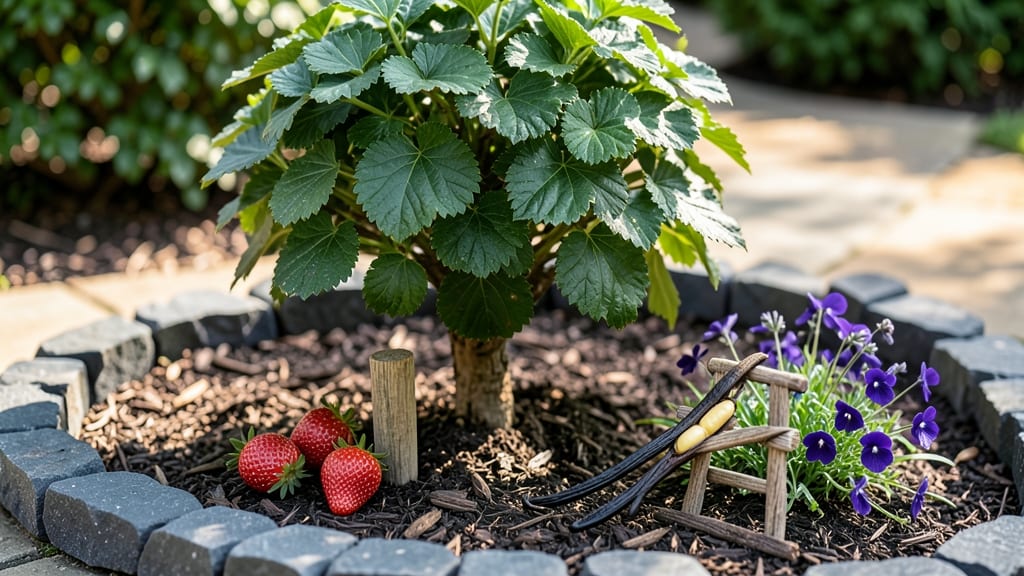
Your garden could smell like a sunlit bakery all year—but not with a real strawberry vanilla hydrangea tree form. 🌸 This whimsical concept blends the romance of vanilla’s fragrance with hydrangea’s lush blooms, creating a layered garden design that feels like a fairy tale.
The trick? Pairing vanilla-scented plants (like mock orange or jasmine) with hydrangeas in a theatrical, fragrant hedge that mimics the illusion of a single tree.
Here’s the real magic: three layers—tall hydrangeas as the "trunk," mid-height vanilla-scented shrubs as the "canopy," and trailing strawberry plants at the base for color. It’s all about visual storytelling, not botany.
The challenge? Vanilla plants (like Stephanotis) need tropical warmth, while hydrangeas thrive in cooler zones—so this design works best as a seasonal illusion or in microclimates where both can coexist.
What you’ll end up with is a garden that feels like a scented masterpiece, even if it’s not a single plant. The hydrangeas provide structure and blooms, while the vanilla-scented companions add aroma when brushed.
Strawberries at the base offer edible pops of red, tying the whole look together. It’s less about growing one plant and more about crafting a sensory experience that feels impossible to resist.
For those who want to try it, start with hydrangea ‘Limelight’ (fragrant leaves!) paired with Jasminum officinale (jasmine) for vanilla-like scent and Fragaria strawberries for ground cover. Plant in partial shade to balance both needs, and prune hydrangeas in late winter to keep the "tree" shape.
The result? A garden that smells like summer and looks like a dream—without the tropical upkeep.
📚 In This Guide
- What you need
- Instructions
- Tips and common mistakes
- Wrapping up and next steps
What you need
- ● Strawberry vanilla hydrangea plants: 3–5 mature plants (5–7 feet tall, with sturdy stems)
- ● Pruning shears: Bypass pruners (sharp, clean, and disinfected)
- ● Hand pruners: For smaller branches (ergonomic grip recommended)
- ● Loppers: For thicker stems (10–12 inch cutting capacity)
- ● Pruning saw: For any stubborn, thick branches (bow or folding type)
- ● Rubbing alcohol (70% isopropyl) or bleach solution: For sterilizing tools (1 part bleach to 9 parts water)
- ● Garden twine or tree ties: For securing branches (10–15 feet, ¼-inch width)
- ○ Pruning sealant (optional but helpful): For large cuts (e.g., Tanglefoot Tree Wound Pruning Seal)
- ● Gloves: Heavy-duty gardening gloves (cut-resistant for safety)
- ● Stakes or bamboo supports: 4–6 stakes (5–6 feet tall) for temporary stabilization
- ● Mulch: Organic mulch (2–3 inches) to retain moisture and suppress weeds
- ● Plant growth regulator: To control excessive growth (e.g., paclobutrazol)
- ● Slow-release fertilizer: Balanced 10-10-10 or hydrangea-specific formula
- ● Pruning paint: For sealing cuts on larger branches (e.g., copper-based paint)
- ● Hose with nozzle: For post-pruning hydration
- ● Knee pads or stool: For comfort during long pruning sessions
How to create a strawberry vanilla hydrangea tree form
This fragrant, layered design transforms hydrangeas into a stunning vertical garden with seasonal interest.
🌿 Step 1: Select and Prune Your Hydrangea Base
Choose a mature panicle hydrangea (Hydrangea paniculata) with strong, woody stems—these varieties hold their shape best when trained vertically. In late winter or early spring, prune back about ⅓ of the previous year's growth to encourage dense branching. Remove any weak, crossing, or diseased stems completely, cutting just above an outward-facing bud.
Here's the thing—panicle hydrangeas bloom on new wood, so your pruning actually stimulates next year's flowers. Look for stems with at least 3-4 buds remaining after pruning; these will produce the strongest growth. If you're working with a young plant, skip heavy pruning this year and focus on shaping next spring.
✂️ Step 2: Create the Structural Framework
Install a 5-6 foot tall metal tree form (available at garden centers) into the planting hole before positioning your hydrangea. The form should have a sturdy central trunk with 3-5 horizontal branches spaced about 12-18 inches apart—these will support your strawberry vanilla layers. Remove any lower branches from the form that will sit below ground level.
Position the hydrangea's main stem through the central trunk opening, securing it with soft jute twine at the base and again at the first horizontal branch. Gently spread the hydrangea's strongest branches outward to align with the form's horizontal supports. For the first year, focus on establishing the main structure before adding decorative elements.
🌱 Step 3: Layer With Strawberry Vanilla and Complementary Plants
Plant strawberry vanilla (Vanilla planifolia) in the upper third of the form, where it will receive the most light and air circulation. Use a 6-inch deep planting pocket filled with a mix of 50% potting soil and 50% perlite to ensure excellent drainage—the vine's roots are sensitive to waterlogging. Position the plant so its main stem aligns with the form's top branch.
For seasonal interest, add evergreen shrubs like boxwood or dwarf pittosporum to the middle layer, and spring-blooming bulbs like daffodils or tulips at the base. The strawberry vanilla will climb the form's branches while the other plants provide year-round structure. Mulch the base with 2-3 inches of shredded bark to retain moisture and suppress weeds.
☀️ Step 4: Train and Maintain the Vertical Structure
As the hydrangea grows, gently tie its branches to the form's horizontal supports using soft plant ties to prevent wind damage. The strawberry vanilla will need a small trellis or wire mesh attached to the top branch—this gives the vine something to cling to as it grows. Water deeply 2-3 times per week during the first growing season to establish strong root systems in both plants.
Here's where it gets fun—watch the strawberry vanilla's vines curl around the trellis while the hydrangea's blooms cascade downward. In late summer, when the hydrangea flowers, the vanilla's fragrant blooms will provide a complementary scent. Prune both plants in late winter: cut back the hydrangea to 3-5 buds from the base, and trim the vanilla vine to 1-2 feet to encourage new growth.
💧 Step 5: Seasonal Care for Year-Round Interest
Spring is all about fertilizing—apply a balanced 10-10-10 fertilizer around the base in early April to support new growth. The strawberry vanilla will need a trellis extension as it grows, so install one by mid-summer. Summer care focuses on watering deeply once a week and monitoring for pests like spider mites on the vanilla vine.
Fall is your chance to extend the vanilla's growing season—if you live in a mild climate, leave the vine in place and protect it with burlap wrap during cold snaps. In winter, mulch the base with 4-6 inches of shredded leaves to insulate roots. The hydrangea's dried blooms will add winter interest, while the evergreen shrubs maintain structure through the season.
Tips & tricks for perfect strawberry vanilla hydrangea tree forms
Transforming your garden into a fragrant vertical masterpiece takes thoughtful planning—and these insider tricks will help you avoid common pitfalls while maximizing beauty and longevity.
Pruning Precision: When pruning your panicle hydrangea in Step 1, make your cuts just above outward-facing buds to encourage optimal growth. I always use sharp, clean pruners to prevent tearing the stems, which can introduce disease. The goal is to maintain 3-4 buds per stem—this ensures strong branching for your vertical structure. For young plants, resist the urge to prune heavily; focus on shaping rather than cutting back growth.
Form Placement Strategy: In Step 2, position your 5-6 foot metal tree form before planting the hydrangea. This prevents disturbing roots later. I recommend burying the base about 6 inches underground to create stability—this hidden depth keeps the form secure while maintaining an elegant appearance. For windy locations, consider staking the form with additional supports before attaching the hydrangea branches.
Vanilla Vine Support: The strawberry vanilla's success depends entirely on proper support in Step 3. Install a small trellis or wire mesh on the top branch immediately after planting—this gives the vine something to cling to as it grows. I've found that using a lightweight, flexible trellis prevents damage to delicate vanilla stems while still providing excellent support. The 6-inch deep planting pocket with 50% perlite is crucial; I've seen vanilla vines fail when planted in regular garden soil due to poor drainage.
Seasonal Care Calendar: Your maintenance schedule makes all the difference. In spring, apply that 10-10-10 fertilizer in early April when you see new growth emerging. For summer watering, I use a drip irrigation system set to deliver water deeply once a week—this prevents both underwatering and root rot. In fall, if you're extending the vanilla's season, monitor temperatures carefully; vanilla vines can tolerate brief cold snaps but need protection below 30°F.
Pro Tips for Strawberry Vanilla Hydrangea Tree Form
- Transforming your garden into a fragrant vertical masterpiece takes thoughtful planning—and these insider tricks will help you avoid common pitfalls while maximizing beauty and longevity.
- Pruning Precision: When pruning your panicle hydrangea in Step 1, make your cuts just above outward-facing buds to encourage optimal growth.
- Form Placement Strategy: In Step 2, position your 5-6 foot metal tree form before planting the hydrangea.
Frequently asked questions
Got questions about growing and maintaining your Strawberry Vanilla Hydrangea in tree form? We’ve got answers!
Whether you’re a pruning pro or just starting, this section covers the most common concerns—from timing to troubleshooting—so you can keep your fragrant beauty thriving year-round.
When is the best time to prune my hydrangea tree form for optimal blooms?
Prune your Strawberry Vanilla Hydrangea in late winter or early spring (before new growth starts) to encourage lush, fragrant blooms. Avoid summer pruning—it can reduce next year’s flowers. If you must shape it later, do so after blooming but before August to avoid cutting off next season’s buds.
How cold-hardy is this hydrangea, and do I need winter protection?
This variety thrives in USDA Zones 5-9 and handles temperatures down to -15°F (-26°C). In colder zones, mulch the base with 3-4 inches of organic mulch (like shredded bark) and wrap the trunk with burlap for extra protection. Young plants may need light frost cloth in harsh winters.
Why aren’t my blooms as fragrant as they should be?
Fragrance fades if the plant is overcrowded, underfed, or stressed. Ensure it gets 6+ hours of sunlight and well-draining soil. Apply a balanced fertilizer (10-10-10) in early spring and prune to improve airflow. Bonus tip: Deadhead spent blooms to redirect energy to new, fragrant flowers!
Can I grow this hydrangea in a container, or is it better in the ground?
Yes! It thrives in large containers (18"+ diameter) with drainage holes, but expect slower growth. Use a high-quality potting mix and repot every 2-3 years. For tree form, prune aggressively in early spring to shape it. Ground planting is ideal for long-term health—just ensure the soil stays consistently moist but not soggy.
What should I do if my hydrangea leaves turn yellow or wilt?
Yellow leaves often signal overwatering or poor drainage. Let the soil dry slightly between waterings and amend heavy clay soil with compost or perlite. Wilting can also mean underwatering or root stress. Check for pests (like spider mites) and adjust care accordingly. Pro tip: A foliar spray of neem oil can prevent common pests.
Are there any low-maintenance alternatives to this hydrangea?
If you want fragrant, tree-form hydrangeas with less upkeep, consider:
- ‘Annabelle’ Hydrangea (white blooms, drought-tolerant)
- ‘Limelight’ Hydrangea (compact, vibrant blooms)
- ‘Vanilla Strawberry’ cousins like ‘Endless Summer’ (reblooming, cold-hardy)
Wrapping up and next steps
The Strawberry Vanilla Hydrangea Tree Form isn’t just a stunning addition to your garden—it’s a fragrant, low-maintenance masterpiece that brings year-round charm with its layered blooms and intoxicating scent.
By mastering the art of pruning and care, you’ll unlock its full potential, transforming your outdoor space into a lush, aromatic retreat. Ready to elevate your garden? Start by scheduling your first pruning session this spring and watch your hydrangea thrive with every passing season!