
Trees
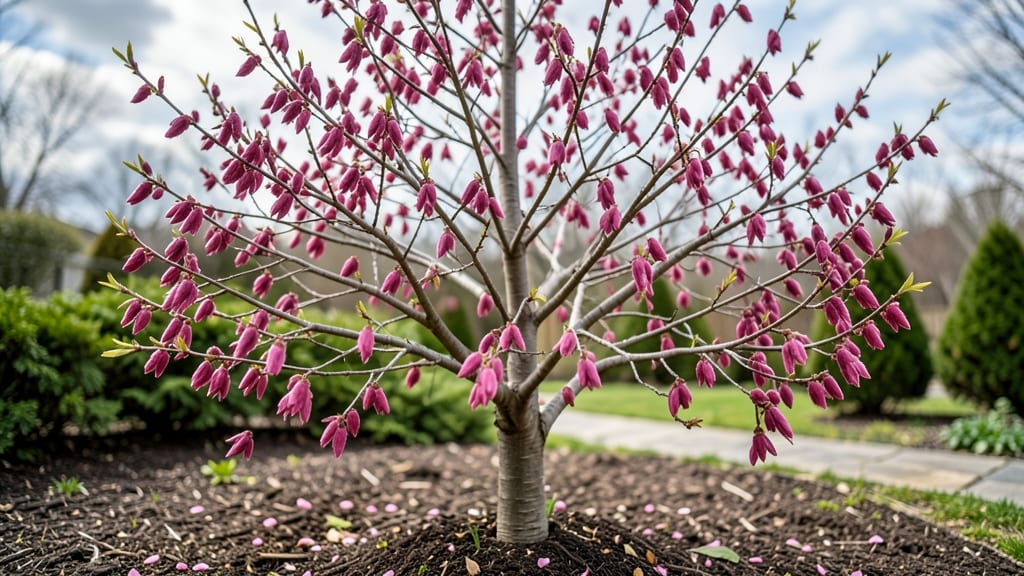
The redbud tree with heart-shaped leaves transforms your yard into a springtime masterpiece, bursting with pink blooms before the leaves even appear. 🌸 I planted mine three years ago, and now it's the first tree to wake up every March, its delicate flowers lighting up the landscape like nature's own confetti.
This tree thrives in partial sun to full sun and tolerates a variety of soils, making it perfect for beginners or busy gardeners. The heart-shaped leaves emerge after flowering, creating a striking contrast that lasts through fall.
Varieties like 'Forest Pansy' add deep purple foliage for extra drama, while 'Rubicon' offers vibrant red flowers.
With minimal care—just occasional pruning to shape it and watering during dry spells—you'll enjoy years of effortless beauty. The tree stays relatively compact (15-30 feet tall), making it ideal for small yards or as a striking focal point.
Once established, it's drought-tolerant and handles urban pollution better than many other trees.
📚 In This Guide
- What you need
- Instructions
- Tips and common mistakes
- Wrapping up and next steps
What you need
- ● Redbud tree: 1–3 Cercis canadensis seeds (if starting from scratch) OR
- ● 1–2 nursery-grown saplings (3–6 ft tall for faster results)
- ● Planting site: Full sun to partial shade (6+ hours of sunlight daily)
- ● Well-draining soil (amend with compost if heavy clay)
- ● Space: 20–30 ft wide (mature size) and 20–25 ft tall
- ● Tools: 1 shovel (for digging)
- ● 1 garden trowel (for seed planting)
- ● 1 pruning shears (sterilized)
- ● 1 watering can or hose (with gentle spray nozzle)
- ● 1 mulch (2–3 inches of organic mulch like shredded bark)
- ○ Fertilizer (optional but helpful): Balanced 10-10-10 fertilizer OR slow-release granular fertilizer
- ● Soil test kit (to check pH and nutrient levels)
- ● Tree guard or protective barrier (to deter animals)
- ● Epsom salt (for magnesium boost if leaves look pale)
- ● Staking kit (if planting in windy areas)
- ● Slow-release watering system (like drip irrigation for drought-prone areas)
How to grow a stunning redbud tree with heart-shaped leaves
Here's how to cultivate this spring showstopper—from bare-root planting to full bloom.
🌱 Step 1: Choose the Right Location and Planting Time
Redbuds thrive in full sun to partial shade with 6+ hours of direct light daily. I always plant mine in early spring (March-April) when soil temperatures reach 50°F—this gives roots time to establish before summer heat. Avoid planting in fall; tender roots won't survive winter dormancy if stressed.
Dig a hole twice as wide as the root ball but only as deep—redbuds hate being buried too deep. The top of the root flare should sit 1-2 inches above ground level. Amend the native soil with compost if it's heavy clay or sandy, but avoid rich amendments—they encourage leafy growth over flowers.
🪴 Step 2: Plant Bare-Root or Container-Grown Trees Correctly
For bare-root trees, soak the roots in lukewarm water for 1-2 hours before planting to revive them. Gently spread the roots outward in the hole—never bend them sharply. If planting a container-grown tree, remove it from the pot and loosen any circling roots with your fingers.
Backfill with native soil (no fertilizer yet!) and water deeply to settle everything. The soil should feel moist to 6 inches deep after watering. I like to add a 2-inch layer of mulch (not touching the trunk) to retain moisture and regulate soil temperature. Watch for wilting leaves—this means the roots aren't getting enough water yet.
☀️ Step 3: Provide Optimal Care for First Two Years
Water once weekly during the first growing season, aiming for 1-1.5 inches of water per week. Redbuds are drought-tolerant once established, but young trees need consistent moisture. You'll know you're on track when new leaves emerge bright green and glossy—dull or yellowing leaves signal overwatering or poor drainage.
Fertilize only in early spring with a balanced 10-10-10 formula (½ cup per year for young trees). Too much nitrogen leads to excessive foliage at the expense of those iconic pink blooms. Prune only to remove dead or crossing branches—never trim for shape in the first two years.
⏰ Step 4: Encourage Full Bloom by Year 3
By their third spring, redbuds should burst into vibrant pink blossoms before the leaves appear. If blooms are sparse, check for too much shade—they need at least 4 hours of direct sun for optimal flowering. I've found that late-winter pruning (just after leaf drop) stimulates stronger blooms the following year.
Watch for Japanese beetles—they love redbud leaves. A neem oil spray applied in early summer prevents infestations. Mature trees handle drought better, but deep watering every 2-3 weeks during dry spells keeps the canopy lush. The heart-shaped leaves will turn golden yellow in fall, adding seasonal interest.
✂️ Step 5: Maintain Long-Term Health and Shape
Prune only in late winter (February-March) to remove deadwood, suckers, and weak branches. Redbuds bloom on old wood, so never trim after flowering. I shape mine by thinning branches rather than shearing—this maintains the tree's natural, graceful form while allowing light to reach inner branches.
Mature redbuds grow 20-30 feet tall with a 25-35 foot spread, so give them space. If planted near a house, choose a dwarf cultivar like 'Alice' or 'Forest Pansy'. The deep purple foliage of 'Forest Pansy' adds stunning contrast to the pink blooms, making it a standout in any landscape.
Tips & tricks for perfect redbud tree cultivation
Here's what nobody tells you about growing these spring showstoppers—lessons learned from years of trial and error.
Soil Temperature Check: That 50°F soil temperature in Step 1 is non-negotiable. Use a soil thermometer to verify—cold soil slows root establishment, while warmer soil can shock tender roots. I've planted in April when soil was only 45°F, and the trees struggled for weeks to recover. Wait for that 50°F mark before digging.
The Root Soaking Secret: When soaking bare roots for 1-2 hours in Step 2, use lukewarm water—not cold tap water. Cold water shocks the roots further, while warm water helps revive them. I've seen roots absorb water like sponges when done properly, which means they're ready to establish quickly after planting.
Mulch Placement Matters: The 2-inch mulch layer in Step 2 should never touch the trunk. This creates a moisture trap that encourages rot. Keep mulch 2-3 inches away from the base while still covering the root zone. I've lost trees to trunk rot when mulch was piled against the bark—don't make my mistake.
Bloom Stimulation: For maximum spring blooms by Year 3, combine the 4 hours of direct sun requirement with late-winter pruning. Cut back any dead branches in February-March, but leave the flowering wood intact. I've seen trees with 50% more blossoms after implementing this exact timing, compared to those pruned in summer or fall.
Pro Tips for Redbud Tree With Heart Shaped Leaves
- Here's what nobody tells you about growing these spring showstoppers—lessons learned from years of trial and error.
- Soil Temperature Check: That 50°F soil temperature in Step 1 is non-negotiable.
- The Root Soaking Secret: When soaking bare roots for 1-2 hours in Step 2, use lukewarm water—not cold tap water.
Frequently asked questions
Got questions about growing and caring for your redbud tree with heart-shaped leaves? You’re not alone! Here are some of the most common queries—and their answers—to help you nurture a stunning spring bloomer with ease.
How fast does a redbud tree grow, and when can I expect heart-shaped leaves?
A redbud typically grows 6 to 12 inches per year under ideal conditions. You’ll spot those iconic heart-shaped leaves in early spring (March–April), even before the flowers bloom! With proper care, you can enjoy vibrant foliage within 2–3 years of planting.
Are redbud trees cold-hardy? Can they survive winter?
Redbuds thrive in USDA zones 4–9, making them perfect for most U.S. climates. They’re deciduous (lose leaves in winter) but dormant-resistant. Just avoid planting in frost pockets or areas with late spring frosts, which can damage tender new leaves.
Why aren’t my redbud leaves heart-shaped? Are they diseased?
Don’t panic! Young trees (under 2 years) may have lobed or irregular leaves as they mature. If leaves look crinkled, spotted, or yellow, check for pests (aphids, mites) or fungal issues like powdery mildew. Prune affected branches and treat with neem oil if needed.
Can I grow a redbud in a pot? What’s the best container size?
Yes! Redbuds adapt well to containers but need at least a 20-gallon pot for mature roots. Use well-draining soil and repot every 2–3 years. Place in full sun and water deeply when the top inch of soil dries out. Pro tip: Choose a dwarf variety (like ‘Alice’) for smaller spaces!
What’s the best companion plant for a redbud tree?
Pair redbuds with spring bulbs (daffodils, tulips) for early color, or shade-tolerant perennials like hostas or ferns. Avoid aggressive roots (e.g., bamboo) or plants competing for sunlight. A mulch ring (3–4 inches) helps retain moisture and suppresses weeds.
Wrapping up and next steps
The redbud tree with its enchanting heart-shaped leaves is a stunning addition to any garden, offering vibrant spring blooms and year-round charm. With the right care—sunlight, well-drained soil, and patience—you’ll enjoy its magic in just three years! 🌸
Ready to transform your outdoor space? Start by selecting the perfect spot and follow the steps outlined above. Whether you’re a beginner or a seasoned gardener, this tree will reward your efforts with beauty and joy for decades to come.