
Pruning
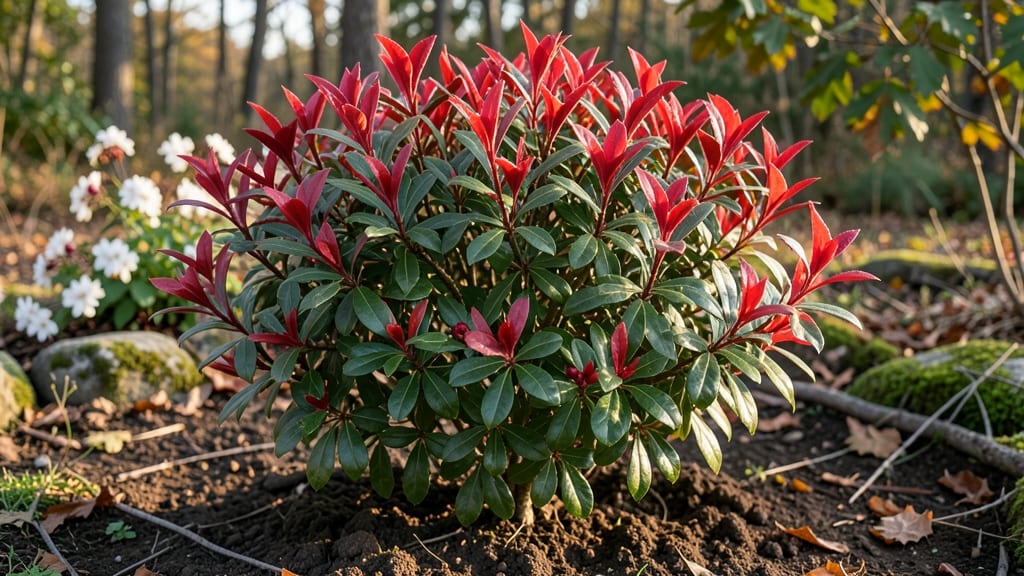
The Red Tip Photinia tree height can reach 10 to 15 feet—or even 20 feet in ideal conditions—making it a fast-growing favorite for privacy screens and hedges.
If you're dreaming of a vibrant, low-maintenance hedge or privacy screen, the Red Tip Photinia could be your perfect match—but first, you need to know how tall it really grows and how to control its height before it outpaces your expectations.
This shrub grows 2 to 3 feet in its first year and can add 3 to 5 feet annually, so spacing and pruning matter. Without proper care, it can quickly become unruly, overshadowing patios or blocking views.
In this guide, I’ll break down its growth rate, the best pruning techniques to keep it in check, and how to choose the right location to manage its size naturally.

Red Tip Photinia tree height: growth rate & mature size explained
The Red Tip Photinia is one of the fastest-growing shrubs in landscaping, with its height progression making it a popular choice for quick privacy screens. Understanding its growth stages helps you plan spacing, pruning, and long-term maintenance.
In its first year, expect 2 to 3 feet of growth, while mature plants typically reach 10 to 15 feet—though some can exceed 20 feet under ideal conditions.
This shrub’s rapid growth means it can quickly outgrow small yards or overwhelm patios if not managed. The key to controlling its size lies in pruning techniques and strategic planting locations.
Without intervention, a single Red Tip Photinia can dominate a landscape, blocking sunlight and competing with other plants for resources.
| Growth Stage | Height Range | Annual Growth Rate | Notes |
|---|---|---|---|
| Year 1 | 2–3 ft | 2–3 ft | Establish root system; minimal pruning |
| Year 2 | 4–6 ft | 3–4 ft | Begin light pruning to shape |
| Year 3–5 | 6–10 ft | 2–3 ft | Regular pruning essential |
| Mature (5+ years) | 10–15 ft (20+ ft possible) | 1–2 ft | Slower growth; maintain shape annually |
Several factors influence the Red Tip Photinia’s growth rate, including climate conditions, soil quality, and sunlight exposure. In warmer climates like USDA Zones 7–10, this shrub thrives with minimal care, often growing 3 to 5 feet per year in its early years.
Cooler climates may slow growth to 1 to 2 feet annually, especially in Zone 6 or below, where winter dormancy can limit springtime growth spurts.
Well-draining, slightly acidic soil (pH 5.0–6.5) is ideal for maximizing height and vigor. Amend heavy clay soils with compost or sand to prevent root rot, which can stunt growth.
Additionally, full sun exposure (6+ hours daily) ensures the shrub’s signature red-tipped new growth and dense foliage, while partial shade may result in leggier, slower-growing plants.
Compared to other Photinia varieties, the Red Tip stands out for its rapid growth and vibrant color. The Evergreen Photinia grows slightly slower (reaching 8–12 feet mature height) but has darker foliage.
Meanwhile, the Dwarf Photinia varieties like 'Little Red' max out at 3–4 feet, making them ideal for borders or foundation plantings where height control is critical.
To manage height naturally, plant Red Tip Photinia 4 to 6 feet apart for hedges or 8 to 10 feet apart for single specimens. This spacing allows airflow, reducing disease risk while giving roots room to establish.
If you’re planting near a fence or wall, leave at least 5 feet of clearance to avoid overcrowding and ensure proper sunlight penetration for neighboring plants.
One common misconception is that Red Tip Photinia grows uniformly in all directions. In reality, its width can match or exceed its height if not pruned, spreading 6 to 10 feet wide at maturity.
This spread is why it’s often used as a privacy screen or windbreak—but without regular pruning, it can quickly become unmanageable in smaller spaces.
For those concerned about height, consider the 'Compacta' variety, which grows 6 to 8 feet tall while maintaining a rounded shape. This dwarf version
Best pruning techniques to control Red Tip Photinia height & shape
Keeping your Red Tip Photinia at the perfect height requires strategic pruning—especially since it can grow 6-15 feet tall if left unchecked. The key is timing and technique. Prune too late, and you risk stunted growth; prune too aggressively, and you sacrifice those stunning red-tipped new shoots.
Let’s break down the best methods to shape your shrub while encouraging healthy, vibrant foliage.
First, gather your tools: sharp bypass pruners for clean cuts, loppers for thicker branches, and gloves to protect your hands from thorns. Avoid dull tools—they tear branches, inviting disease. Next, understand the two-pruning seasons: late winter/early spring and mid-summer. Each serves a different purpose for your Photinia’s growth cycle.
🌿 Step-by-Step Pruning Schedule
- 1 Late Winter/Early Spring (February-March): Prune to remove dead or crossing branches and shape the shrub. Avoid heavy pruning—this encourages new red-tipped growth for summer color.
- 2 Mid-Summer (July-August): Lightly trim to maintain shape and remove overgrown branches. Focus on inner branches to improve airflow and reduce disease risk.
- 3 Avoid Fall Pruning: Pruning in fall or winter can lead to dieback or weak growth. Let the shrub rest until spring.
- 4 Reduce Height Gradually: To lower the shrub’s height, cut back 1/3 of the tallest branches in stages over 2-3 years. Never remove more than 25% of the foliage in one season.
- 5 Sanitize Tools: After pruning, wipe tools with rubbing alcohol to prevent spreading fire blight or other diseases.
One common mistake is pruning too late in spring, which can remove the year’s new growth before it even appears. Another is over-pruning, which stresses the plant and reduces its ability to produce those signature red-tipped shoots.
Instead, think of pruning as a conversation with your shrub: guide its shape gently, and it’ll reward you with lush, healthy foliage.
For hedge-shaped Photinias, use a string guide to keep cuts even. For tree-form Photinias, focus on removing lower branches to create a clean trunk. Always prune just above a leaf node or bud to encourage new growth in the right direction.
With patience, your Red Tip Photinia will stay compact, colorful, and controlled.
Pro tip: If your Photinia’s growth seems too aggressive, consider root pruning—gently trimming roots with a spade in early spring. This can slow height increase by reducing nutrient flow to the top. Pair this with regular mulching to keep roots cool and manageable.
Remember, the goal isn’t just height control—it’s healthy, balanced growth. With these techniques, your Red Tip Photinia will thrive as both a privacy screen and a garden focal point without taking over your space. Happy pruning! ✂️🌳