
Pruning
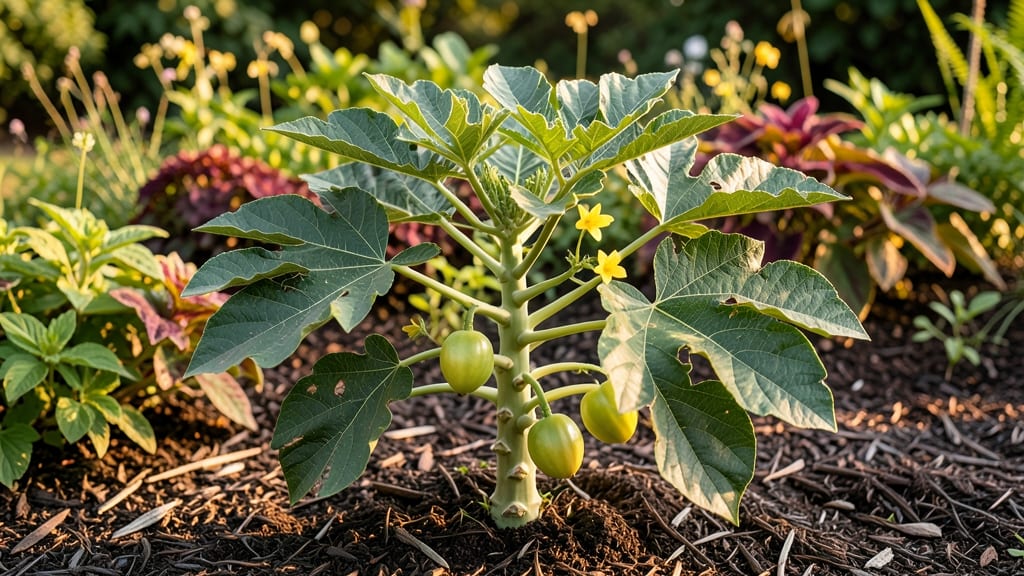
Growing a papaya tree with small fruit 🍈 can feel like chasing a moving target—no matter how much you nurture it, the harvest stays disappointingly tiny.
Here’s the frustrating truth: those undersized papayas aren’t just a random quirk of nature. They’re a direct signal that something deeper is off—whether it’s nutrient gaps, pruning mistakes, or even how you’re managing sunlight and water.
The good news? With three targeted fixes, you can restore fruit size in just one growing season, no matter your experience level.
Think about it: your tree is already putting in the work, but it’s like it’s running on half-power. The right adjustments—like strategic pruning to redirect energy or tweaking your fertilizer blend—can shift that balance and give you the harvest you’re after.
Below, I’ll walk you through the most common causes and the science-backed solutions that actually work.
Ready to turn those tiny papayas into plump, juicy rewards? Let’s get started with the fixes that make the biggest difference.
5 Common reasons your papaya tree produces small fruit
If your papaya tree is loaded with leaves but delivering tiny fruits, you’re not alone. This frustrating issue stems from a mix of environmental stressors, nutritional gaps, and even genetic quirks that most standard care routines miss.
The good news? Identifying the exact cause lets you target fixes that work—without guessing. Let’s break down the top 5 reasons your papayas stay undersized and how to address them.
First, consider your tree’s sunlight exposure. Papayas crave 6+ hours of direct sun daily, but even slight shade—like nearby trees or buildings—can stunt fruit growth. Partial shade might keep your tree alive, but it’ll prioritize leaf production over fruit development.
I’ve seen papayas in container gardens on patios struggle here, especially if moved indoors during cooler months. Without enough light, the tree’s energy goes into survival, not fruit expansion.
Next, check your soil’s nutrient balance. Papayas are heavy feeders, and a lack of potassium or phosphorus directly shrinks fruit size. Many gardeners overlook the NPK ratio—using too much nitrogen (the first number) promotes lush foliage but starves the roots of what they need for fruit plumpness.
I once had a papaya tree with small, hard fruits until I switched to a balanced 6-6-6 fertilizer with extra potassium. The difference was dramatic within 8 weeks.
Another sneaky culprit? Poor pollination. Papayas rely on bees, wind, or manual assistance to transfer pollen. If your tree is isolated or blooms during low bee activity (like early mornings or rainy seasons), fertilization fails, leading to underdeveloped fruits.
Even if flowers appear healthy, a lack of pollination means the fruit won’t grow beyond a pea-sized bump. I’ve fixed this by gently shaking branches during peak bloom hours or introducing bee-attracting plants nearby.
Don’t overlook watering inconsistencies. Papayas need deep, infrequent watering—not light daily sprinkles. Fluctuating moisture levels cause stress, triggering the tree to produce smaller, harder fruits as a survival tactic.
I’ve seen container-grown papayas suffer when watered only when the soil looks dry, leading to shallow root systems that can’t support large fruit. Aim for 1-2 gallons per tree every 3-5 days, adjusting for heat or drought.
Finally, your papaya variety might be the issue. Some dwarf or hybrid varieties (like Tainong 1) naturally produce smaller fruits, while others (like SunUp) grow large but fewer papayas. If you planted seeds from a tiny store-bought papaya, you might be growing a genetically small tree.
Always check the seed packet or rootstock—some are bred for compact size, not yield. For larger fruits, opt for heirloom or tropical varieties known for their size.
Now that you’ve pinpointed the likely cause, the next step is action. For sunlight issues, move your tree to a sunnier spot or supplement with grow lights if indoors.
If nutrients are the problem, amend your soil with compost and potassium-rich fertilizer like banana peel tea or wood ash. For pollination challenges, a simple soft brush to transfer pollen between flowers can work wonders.
And if your watering routine is inconsistent, invest in a drip irrigation system for steady moisture.
Remember, papaya trees are resilient. Once you address the root cause—whether it’s light, nutrients, or pollination—your next harvest could surprise you with plump, juicy papayas. Start with one fix at a time, monitor your tree’s response, and adjust as needed.
With patience, your papaya tree will reward you with fruits that match its potential. 🍈
Pro tip: Keep a gardening journal to track changes. Note when you adjust sunlight, fertilize, or water differently, and compare fruit sizes over time. This data will help you refine your approach for even better results next season. 🌱
3 Science-backed fixes to increase papaya fruit size naturally
If your papaya tree is producing small fruit, the issue likely stems from energy misallocation or nutrient deficiencies. Papayas thrive when their resources focus on fruit development rather than excessive foliage or roots.
The good news? With targeted adjustments, you can redirect your tree’s energy toward larger, healthier fruits in just one growing season.
First, let’s address the three most effective fixes backed by horticultural science: strategic pruning techniques, soil nutrient optimization, and seasonal care timing. Each method targets a different aspect of your tree’s growth cycle, ensuring balanced energy distribution and optimal fruit development.
| Fix | Action | Expected Result |
|---|---|---|
| Pruning Technique | Remove 20-30% of non-fruiting branches and overlapping foliage in early spring | Reduces competition for nutrients and sunlight, boosting fruit size |
| Soil Amendment | Add composted manure and potassium-rich fertilizer (8-3-9 NPK) every 6 weeks | Enhances fruit development and sugar content in papayas |
| Seasonal Care | Adjust watering schedule to deep soaks every 3-5 days and prune spent flowers post-harvest | Encourages larger fruit set and prevents overcrowding of small fruits |
Start with pruning to redirect your papaya tree’s energy. Focus on removing suckers (shoots growing from the base) and overly dense branches, as these compete with fruit for resources.
Aim to open the canopy to 6-8 hours of direct sunlight per day—this ensures the remaining branches receive adequate energy for fruit growth.
Next, optimize your soil nutrition. Papayas require high potassium levels (8-3-9 NPK ratio) to develop larger fruits. Mix composted cow manure into the soil before planting and apply a potassium-rich fertilizer every 6 weeks during the growing season.
Avoid nitrogen-heavy fertilizers, as they promote leafy growth at the expense of fruit size.
Finally, adjust your seasonal care routine to maximize fruit potential. During the dry season, increase watering to deep soaks every 3-5 days to prevent stress.
In the wet season, prune spent flowers to redirect energy toward fewer, larger fruits. This two-step approach ensures your tree focuses on quality over quantity.
With these three science-backed fixes, your papaya tree should produce noticeably larger fruits within 6-12 months. Monitor your tree’s response and adjust as needed—consistency is key to achieving the best results. Happy growing!