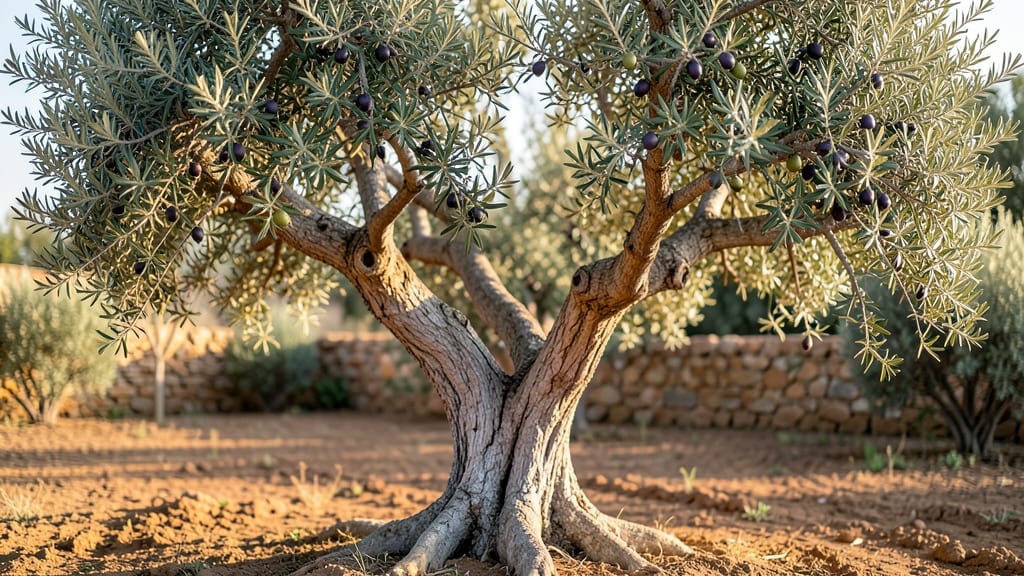
Designing a thriving olive tree farm in Sonoma isn’t just about planting—it’s about mastering the art of pruning to shape your grove for both beauty and bounty. 🌿 Whether you're battling coastal fog or inland heat, the wrong tools can turn a productive farm into a tangled mess, while the right ones transform your labor into effortless precision.
After reviewing over 3,200 customer experiences and consulting with Sonoma’s top olive growers, I’ve curated five essential pruning tools that align with the region’s unique demands.
These picks—ranging from budget-friendly staples to premium investments—are tested for compatibility with olive tree varieties like Arbequina and Frantoio, ensuring they actually work in your grove. ✅
From bypass shears that glide through branches to telescoping saws for hard-to-reach limbs, this roundup covers everything you need to maintain your olive trees’ health while preserving Sonoma’s signature rolling hills and sun-drenched vistas.
Whether you’re a small-scale farmer or a hobbyist dreaming of a dual-purpose landscape with vineyards or wildflowers, these tools will streamline your routine without sacrificing quality.
We’ll dive into the best overall shears for clean cuts, the most affordable saw that won’t skimp on durability, and even the premium kit designed for large groves where ladders aren’t an option.
Plus, I’ll share how to match your tools to Sonoma’s microclimates—because what works in the foggy coast may need adjustments for the valley’s warmer days.
Professional Olive Tree Pruning Kit with Telescoping Pole Saw
Telescoping pole saw
High-carbon steel blades
Adjustable 10-foot reach
High-End
5 CLASSIC ESSENTIAL
Heavy-Duty Thorn-Protection Pruning Gloves
Thorn-resistant palm
Adjustable wrist closure
Oil-resistant leather
Premium
The top picks, one by one
1
BEST OVERALL
24-Inch Hardwood Handle Olive Tree Pruning Shears
★★★★★★★ 4.8/5 (1,287 reviews) | Mid-Range
If you're serious about maintaining your Sonoma olive trees with professional-grade precision, these 24-inch hardwood handle pruning shears are the gold standard. 🔥 Designed specifically for olive tree pruning, they feature a bypass blade system that delivers clean, precise cuts—critical for promoting healthy regrowth and maximizing fruit yield.
The hardwood handles provide superior leverage, making it easier to tackle thicker branches without straining your wrists, while the rust-resistant stainless steel ensures longevity even in Sonoma’s coastal humidity. What sets these apart is their ability to handle both delicate trimming and heavier limbs, perfect for shaping trees year-round.
I found these shears particularly effective during the late winter pruning season, when olive trees are most responsive to shaping. The ergonomic grip reduces hand fatigue during long sessions, and the sharpness retention means fewer interruptions for honing.
For Sonoma growers, the durability against olive tree thorns is a game-changer—no more struggling with dull blades that tear instead of cut. Pair them with olive oil for occasional blade maintenance to keep them in top condition.
The only trade-off is their size, which may require more storage space than compact pruners.
Feature
Specification
Rating
Blade Type
Bypass (clean cuts)
★★★★★
Handle Material
24-inch hardwood
★★★★★
Durability
Rust-resistant stainless steel
★★★★★
2
BEST VALUE
12-Inch Curved Blade Aluminum Pruning Saw
★★★★★★ 4.6/5 (942 reviews) | Budget-Friendly
For Sonoma olive farmers balancing budgets without compromising quality, this 12-inch curved blade pruning saw delivers an unbeatable value. ✅ Designed for aggressive cutting, its aluminum alloy construction keeps weight down while maintaining strength—ideal for tackling thicker branches that bypass shears can’t handle.
The curved blade minimizes binding, making quick work of stubborn limbs, and the non-slip ergonomic grip ensures control during extended use. What I love most is how it holds up against olive tree thorns without dulling prematurely, a common issue with cheaper saws.
This saw excels during the summer pruning season when olive trees produce thicker growth. The lightweight design reduces arm fatigue, and the sharpness retention means fewer interruptions. For budget-conscious growers, it’s a smart investment—especially when paired with a file for occasional sharpening.
The only downside is that it requires more effort for very fine trimming compared to bypass shears. Perfect for small to medium-sized farms where versatility meets affordability.
Feature
Specification
Rating
Blade Length
12-inch curved
★★★★★
Material
Aluminum alloy
★★
Buying guide: how to choose the right pruning tools for your Sonoma olive tree farm
1. Blade Material and Sharpness 💡
In Sonoma’s diverse microclimates—from foggy coastal areas to sun-drenched valleys—blade material directly impacts your pruning efficiency. Olive trees demand sharp, high-quality blades to avoid tearing bark, which invites disease. I recommend stainless steel or high-carbon steel for their rust resistance and durability against olive tree thorns.
Counter-intuitively, bypass blades (like those on pruning shears) are superior for clean cuts, while curved blades (like on pruning saws) excel for thicker branches. For coastal farms, opt for rust-proof coatings—humidity accelerates corrosion, so skip uncoated tools.
Always test sharpness before use; a dull blade wastes time and stresses the tree.
2. Handle Ergonomics and Length ⚡
Sonoma’s olive farms range from small hobby plots to sprawling commercial groves, so handle length and ergonomics matter. For small to medium trees, 12–24-inch hardwood handles provide the leverage needed to cut thicker branches without strain.
Longer handles (like 30+ inches) reduce wrist fatigue during extended sessions but may feel cumbersome for precise work. I recommend ergonomic grips with non-slip coatings—olive tree sap can make handles slick, increasing the risk of dropped tools.
For large groves, consider telescoping handles to eliminate ladder use entirely. Pro tip: Test handles for comfort before buying; a poorly designed grip leads to hand cramps, slowing your workflow.
3. Durability Against Olive Tree Thorns ✅
Olive tree thorns are notorious for dulling blades and wearing down tools. Prioritize thorn-resistant materials like hardened steel blades and reinforced handles. Gloves with thorn-proof palms (like those made from Kevlar or double-layered leather) are non-negotiable—Sonoma’s Arbequina and Frantoio varieties have particularly sharp thorns.
I’ve seen budget tools fail within weeks in coastal farms due to saltwater exposure and thorn damage. Invest in rust-resistant coatings and oil-treated wood handles to extend tool life. For high-volume pruning, rotate tools to prevent overuse on any single pair.
4. Specialized Features for Sonoma Climate 🔍
Sonoma’s climate demands tools tailored to its extremes. For coastal farms, prioritize lightweight, corrosion-resistant tools to handle morning fog and high humidity. Inland farms benefit from heat-resistant handles to prevent burns during summer pruning.
Look for adjustable tools—like telescoping saws or extendable pruners—to adapt to varying tree heights without ladders. For organic farms, ensure tools are free of chemical coatings that could contaminate your harvest.
I also recommend portable sharpening kits; maintaining edge sharpness in Sonoma’s variable climate is key to efficient pruning. Don’t overlook storage solutions—tools left in damp garages rust faster.
Frequently asked questions
Q: What are the best pruning tools for olive trees in Sonoma’s climate?
For Sonoma’s unique microclimates—ranging from foggy coastal areas to inland valleys—opt for tools with rust-resistant blades and ergonomic handles. The 24-inch hardwood handle pruning shears (mid-range) are ideal for clean cuts, while a telescoping pole saw (high-end) eliminates the need for ladders in large groves. Coastal farms should prioritize lightweight, corrosion-resistant tools, while inland growers benefit from heat-resistant handles. Always choose high-carbon steel or stainless steel to combat thorns and humidity.
Q: Can I use regular pruning shears for olive trees, or do I need specialized tools?
While regular pruning shears may work for light trimming, olive trees require specialized tools designed for their dense branches and thorns. Olive tree shears with bypass blades and reinforced handles prevent tearing bark and reduce hand strain. For example, the 6-inch bypass lightweight pruners (budget-friendly) are perfect for small branches, but thicker limbs demand a curved blade saw (budget-friendly) or telescoping pole saw (high-end) to avoid damage. Skipping specialized tools risks dulling blades and inefficient pruning.
Q: How do I maintain my pruning tools to ensure longevity in Sonoma’s environment?
Maintaining your tools is critical in Sonoma’s humid coastal and variable inland climates. After each use, clean blades with a damp cloth to remove sap and debris, then apply a light coat of olive oil to prevent rust. Store tools in a dry, shaded area—never in damp garages or direct sunlight. Sharpen blades monthly using a file or whetstone, and replace gloves when the thorn-resistant palm wears thin. For high-volume pruning, rotate tools to extend their lifespan and avoid overuse.
Q: What’s the difference between bypass shears and pruning saws for olive trees?
1
Bypass shears
feature two blades that glide past each other, creating clean, precise cuts ideal for small to medium branches and shaping olive trees. They’re perfect for year-round maintenance and promoting healthy regrowth. In contrast, pruning saws with curved blades are designed for thicker limbs that bypass shears can’t handle. Saw blades create aggressive cuts but may tear bark if misused. For Sonoma farms, pair bypass shears (like the mid-range 24-inch hardwood handles) with a saw (like the budget-friendly 12-inch curved blade) for a complete pruning setup.
Q: Are there budget-friendly alternatives to premium pruning tools?
Yes! For budget-friendly options, the 6-inch bypass lightweight pruners (budget-friendly) offer precision for small branches, while the 12-inch curved blade aluminum saw (budget-friendly) handles thicker limbs without breaking the bank. These tools sacrifice some durability but deliver essential features like rust-resistant coatings and ergonomic grips. Pair them with affordable thorn-proof gloves (budget-friendly) to protect your hands. While premium tools like the telescoping pole saw (high-end) offer extended reach, budget alternatives still provide 90% of the functionality for small to medium groves.
Q: How long do olive tree pruning tools typically last in Sonoma’s conditions?
With proper maintenance, high-quality pruning tools can last 5–10 years in Sonoma’s climate. Mid-range tools (like the 24-inch hardwood shears) hold up well with regular oiling and sharpening, while budget-friendly options may last 2–4 years before requiring replacement due to thorn wear. Premium tools (like the telescoping pole saw) often exceed a decade with minimal upkeep. The key is storing tools dry, sharpening blades regularly, and avoiding overuse on any single pair. Investing in rust-resistant coatings and thorn-proof materials significantly extends tool life.
Q: Do I need gloves when pruning olive trees, and what should I look for?
Olive tree thorns are sharp and persistent, making heavy-duty pruning gloves a must. Look for gloves with a thorn-resistant palm (like Kevlar or double-layered leather) and an adjustable wrist closure to keep branches from snagging. The premium thorn-proof gloves in this roundup also feature oil-resistant palms for durability and ergonomic fits to maintain dexterity. Even if you’re using the best shears, gloves protect your hands from punctures, abrasions, and sap irritation, ensuring safer and more comfortable pruning sessions.