
Trees
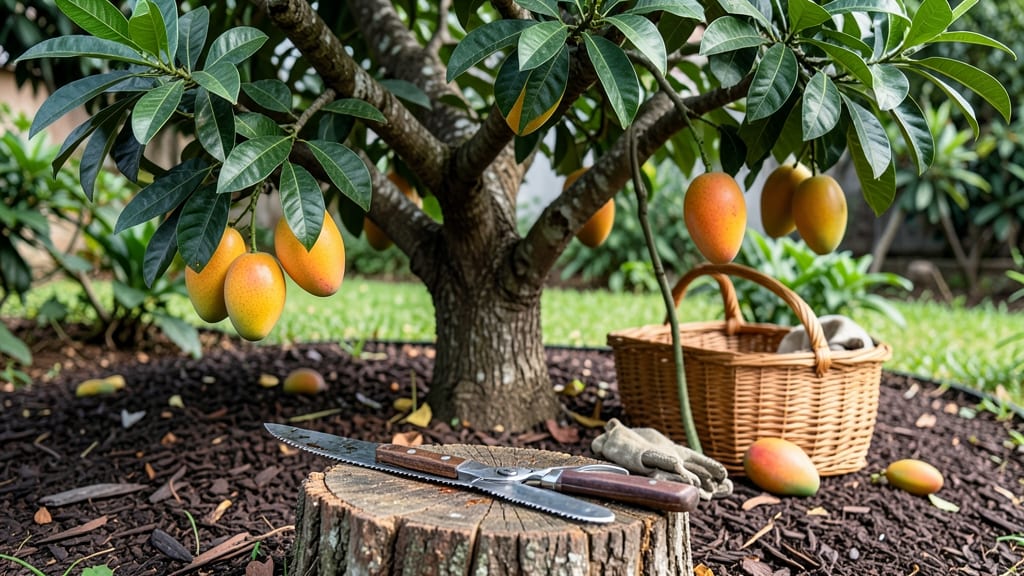
Harvesting a mango tree at the right time means the difference between a mealy, underwhelming bite and a fruit so sweet it practically melts in your mouth 🥭—and the secret lies in knowing when to pick.
There’s nothing quite like the taste of a perfectly ripe mango—sweet, juicy, and bursting with flavor—but knowing when to harvest your tree can make or break your harvest.
Pick too early, and you’ll end up with mealy, underripe fruit; wait too long, and you risk attracting pests or losing your crop to overripening.
In tropical and subtropical climates like USDA Zones 10-11, mangoes typically ripen between late spring and early fall, but the exact timing depends on your variety and local weather.
For example, Alphonso mangoes turn a golden yellow, while Tommy Atkins develop a reddish blush—both signals that it’s time to act.
Below, I’ll walk you through the key signs of ripeness—color, texture, and scent—plus how to handle the fruit once it’s off the tree to keep it fresh for weeks.
Whether you’re harvesting a single fruit or a full tree, these tips will help you maximize your yield and enjoy mangoes at their peak.


How to determine the perfect mango harvest time by color, texture & smell
Harvesting mangoes at the ideal ripeness ensures maximum flavor and sweetness, but timing can be tricky. Unlike some fruits that ripen off the tree, mangoes reach peak ripeness while still attached—though they can soften further after picking.
The key lies in combining visual cues, texture tests, and scent clues to avoid the pitfalls of underripe or overripe fruit.
Mango varieties like Alphonso or Tommy Atkins mature at slightly different rates, but the core principles remain the same. Tropical climates (like Florida or Hawaii) may yield fruit year-round, while subtropical zones (like Southern California) see harvests from late spring to early fall.
Understanding these regional differences helps narrow down your window.
Start by examining the skin color of your mangoes. Most varieties transition from bright green to a mix of yellow, orange, or red, depending on the type. For example, Alphonso mangoes turn golden-yellow, while Keitt mangoes develop a reddish blush.
Aim to harvest when 70-80% of the skin shows these mature hues—this indicates the fruit is nearing peak ripeness.
The texture test is where many gardeners go wrong. A ripe mango should yield slightly when pressed near the stem (the blossom end). Think of it like testing a peach or nectarine—if it feels firm, it’s not ready; if it’s mushy, it’s overripe.
Use your thumb and forefinger to apply gentle pressure. If the fruit gives just a little, it’s time to pick!
Never underestimate the power of smell. Ripe mangoes release a sweet, tropical aroma near the stem. Hold the fruit close to your nose and take a deep breath—if you detect a fragrant, fruity scent, that’s your green light.
This is especially useful for green-skinned varieties, which might not show obvious color changes until they’re nearly ripe.
Climate plays a huge role in harvest timing. In tropical regions (like Florida or Puerto Rico), mangoes can ripen year-round, with peak seasons in late spring and summer.
In subtropical zones (like Southern California or Arizona), harvests stretch from late spring to early fall, but heat waves can accelerate ripening. If your area experiences unusually hot spells, check fruit readiness every 3-5 days to avoid overripening.
One common mistake is waiting until the mango is too soft. Overripe fruit bruises easily and may attract fruit flies or pests. If you notice dark spots, wrinkled skin, or a fermented smell, it’s past its prime.
Instead, harvest when the fruit is firm but yielding, then let it ripen indoors for 1-3 days at room temperature.
For container-grown mango trees, timing can be trickier due to limited root space. These trees often produce smaller fruit that ripens slightly faster. Monitor them daily in peak heat, as water stress can speed up ripening.
If your tree is in a pot, ensure it’s well-watered and placed in full sun to maintain consistent growth.
Pro tip: Keep a harvest journal to track ripening patterns in your climate. Note the month, variety, and days to ripeness after color change. Over time, you’ll develop an intuition for when your specific mango tree is ready to yield its sweetest fruit.
This is especially helpful for first-time growers or those in unusual microclimates.
Once you’ve mastered these three key tests—color, texture, and smell— you’ll never miss a perfect mango again. The reward? Juicy, finger-licking sweetness that’s worth every bit of patience. Happy harvesting! 🌱🥭
Mango tree harvesting tips: best practices to avoid common mistakes
Harvesting mangoes at the right time ensures sweet, flavorful fruit—but timing and technique matter just as much. Alphonso varieties, for example, ripen 3-4 weeks earlier than Tommy Atkins, so knowing your tree’s specific needs is key.
Even a slight misstep can lead to bruised fruit or wasted labor. I’ve learned the hard way that rushing the harvest often means compromising quality.
Start by checking the fruit’s stem attachment. A ripe mango should separate easily with a gentle twist—no need for brute force.
If the stem resists, the fruit isn’t ready yet. Color changes also signal ripeness, but they vary by variety: Alphonso turns golden-yellow, while Keitt develops a deep red blush. Ignoring these cues can leave you with fruit that’s either too hard or overly soft.
⚠️ Common Harvesting Mistakes to Avoid
- Bruising fruit: Never pull mangoes—always twist gently to avoid tearing skin.
- Overripe drops: Harvest before fruit falls naturally to prevent pest attraction.
- Wrong tools: Pruning shears can crush fruit; use hands or a harvesting hook instead.
- Ignoring variety: Alphonso ripens faster than Tommy Atkins—check local harvest calendars.
Pro tip: Harvest in the early morning when fruit is cool and firmest.
For large, heavy mangoes, use a harvesting hook or a small ladder to avoid dropping fruit. Place a soft cloth beneath the fruit to catch it gently—even a 1-foot drop can cause bruising.
If you’re harvesting dozens of mangoes, wear gloves to protect your hands from the tree’s sharp thorns and sticky sap.
Handle harvested mangoes with care to prevent disease spread. Wash your hands and tools between trees, especially if you notice powdery mildew or anthracnose on leaves.
Store ripe mangoes at room temperature for 2-3 days to enhance sweetness, but refrigerate unripe ones to slow ripening. Ethylene gas from apples or bananas can speed up ripening—keep them separate.
If your mangoes ripen unevenly, prioritize harvesting the softest, most aromatic ones first. Leave slightly firmer fruit on the tree for another 2-3 days, but don’t wait too long—overripe mangoes attract fruit flies and spoil quickly. In humid climates, harvest slightly earlier to reduce rot risk.
After harvesting, inspect your tree for damaged branches or pests. Prune any broken limbs to encourage new growth and reduce disease entry points. With the right technique, you’ll maximize your yield while keeping your mangoes bruise-free and delicious for weeks. 🌱