
Pruning
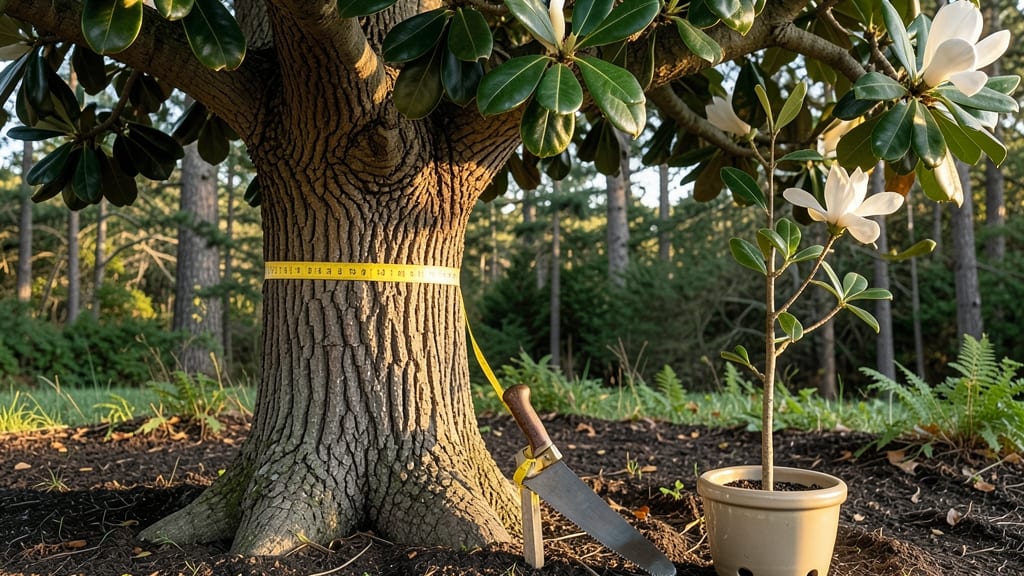
Understanding a Magnolia Tree’s height and width 🌸 is the first step to planting one that thrives—and fits—without crowding your landscape.
If you’re dreaming of a stunning magnolia tree but worried it’ll outgrow your yard, understanding its mature height and width is key to perfect placement—and avoiding costly pruning mistakes.
Some varieties stretch 80 feet tall, while others stay compact at just 10 feet. The difference isn’t just aesthetics—it’s about spacing, sunlight, and even how much pruning you’ll tackle (or avoid).
Below, I break down the fastest-growing types, spacing rules for urban gardens, and how to pick the perfect magnolia for your space—so you get the drama of those fragrant blooms without the headaches of overgrowth.

How tall and wide do magnolia trees grow? Mature size by popular varieties
Choosing the right magnolia variety depends heavily on your space—whether you're working with a cozy urban backyard or a sprawling rural property. Magnolia trees vary dramatically in size, from towering giants to compact beauties perfect for small gardens.
The Southern Magnolia, for example, can reach 60-80 feet tall, while dwarf varieties like 'Little Gem' stay under 15 feet. Understanding these dimensions ensures you plant with confidence and avoid future pruning regrets.
For urban gardeners, space is precious, so selecting a compact magnolia like 'Teddy Bear' (10-15 feet tall) or 'Black Tulip' (15-20 feet) is ideal. Meanwhile, rural properties can accommodate large magnolias like the Evergreen Magnolia or Sweet Bay Magnolia, which thrive with room to spread their wide canopies.
Always factor in root spread, which can be 2-3 times wider than the tree's height at maturity.
Pro Tip: Measure your space before planting. A 20-foot-wide canopy needs at least 10 feet of clearance on all sides for airflow and sunlight penetration. Skimping on space can lead to crowded growth, increased disease risk, and stunted blooms.