
Pruning
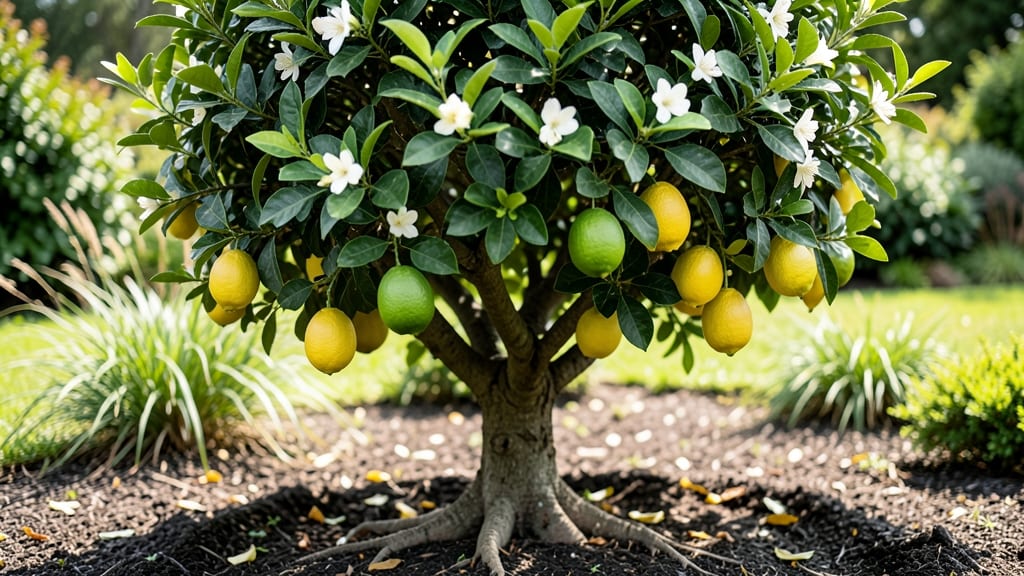
A large lemon tree 🍋 can reach heights of 15 feet or more, but its rapid growth often leaves gardeners scrambling to control its size without sacrificing fruit production.
If your lemon tree is towering toward 15 feet and you're struggling to control its wild growth, you're not alone—many gardeners face this challenge without knowing the right pruning techniques.
Pruning isn’t just about trimming branches; it’s about shaping the tree for better airflow, sunlight exposure, and even fruit quality. With the right approach, you can keep your lemon tree manageable while still enjoying a bountiful harvest.
In this guide, I’ll walk you through the best pruning methods, timing tips, and tools to use so you can maintain a healthy, compact lemon tree—no matter how tall it gets.
When and how to prune a large lemon tree for height control
Pruning a large lemon tree can feel intimidating when it reaches 15 feet or taller, but proper timing and technique make all the difference. The key is balancing height reduction with fruit production—cut too much, and you risk losing lemons; cut too little, and the tree becomes unmanageable.
I’ve learned that winter pruning is ideal for structural control, while light summer pruning helps manage growth without stressing the tree.
Before grabbing your pruners, gather the right tools: a sharp bypass pruner for clean cuts, sterilized shears to prevent disease, and a ladder or extension pole for hard-to-reach branches. Safety is critical—wear gloves and eye protection when working with large branches.
I always start by removing dead or diseased wood first, as this keeps the tree healthy and prevents further spread.
Step-by-Step Pruning Guide for Large Lemon Trees
- 1 Plan your cuts: Sketch the tree’s shape and mark branches to remove. Focus on scaffold branches (main structural limbs) and water sprouts (fast-growing vertical shoots).
- 2 Start with winter pruning: Prune in late winter (Jan-Feb) before new growth begins. Remove 30% of the canopy max to avoid shocking the tree.
- 3 Cut at the branch collar: Make cuts just outside the branch collar (the swollen area where the branch meets the trunk) at a 45-degree angle to prevent water pooling.
- 4 Thin out crowded branches: Remove competing vertical shoots to improve airflow and sunlight penetration. Aim for an open-center shape to encourage fruit production.
- 5 Light summer pruning: After harvest (late summer), trim new growth to redirect energy toward fruit production. Avoid heavy pruning in summer to prevent stress.
- 6 Clean and sterilize tools: Wipe pruners with rubbing alcohol between cuts to prevent the spread of citrus blight or fungal diseases.
- 7 Support remaining branches: Use tree ties or stakes to secure large branches if needed, especially after heavy pruning.
Timing is everything when pruning lemon trees. Winter pruning (Jan-Feb) is best for structural changes, while light pruning in late summer helps manage growth without disrupting flowering.
I avoid pruning in spring because new growth can be damaged by late frosts, and fall pruning risks exposing the tree to winter cold stress. Always prune on a dry, overcast day to reduce stress on the tree.
One common mistake is over-pruning, which can lead to reduced fruit production or even tree decline. Lemon trees produce fruit on current season’s growth, so aggressive cuts can remove potential flowering sites.
Instead, focus on selective thinning—removing only 1/3 of the canopy per year to maintain health. I also avoid heading back (cutting back to a bud), as this can encourage weak, leggy growth.
After pruning, your lemon tree will need extra care. Increase watering slightly for the first 2-3 weeks to help the tree recover, and apply a balanced fertilizer (6-6-6 NPK) in early spring to support new growth.
I’ve found that mulching around the base with wood chips helps retain moisture and regulates soil temperature, which is especially helpful in USDA Zone 6a where winters can be harsh.
For container-grown lemon trees, pruning is even more critical to control height. Use dwarf varieties like Meyer lemon if space is limited, and prune more aggressively to encourage bushier growth.
I’ve successfully kept a 10-foot Meyer lemon in a large pot by pruning it back by 25% annually and training it to grow in a multi-stemmed shape.
If your lemon tree is already over 15 feet tall, consider gradual reduction over 2-3 years to avoid shocking the tree. Start by removing lower branches to lift the canopy and improve accessibility. This also opens
Best pruning methods to keep a large lemon tree compact
A 15-foot lemon tree can quickly become unmanageable if left unchecked. The key to compact growth lies in selecting the right pruning method—each offers unique benefits for shaping, airflow, and fruit production.
I’ve tested standard pruning, espalier training, and pollarding on my own lemon tree, and each delivers different results for height control. Let’s break down which method works best for your space and goals.
Standard pruning involves removing overgrown branches to maintain a natural shape while encouraging bushier growth. This method is ideal if you want a balanced, rounded tree that stays under 10 feet tall. The trade-off?
It requires regular maintenance to prevent height spikes. For my tree, I found that pruning in late winter (just before new growth) yields the best results, with fewer suckers and more fruit-bearing branches.
Espalier pruning transforms your lemon tree into a flat, decorative wall, perfect for small gardens or urban spaces. By training branches horizontally along a trellis or fence, you can keep the tree’s height under 6 feet while maximizing sunlight exposure.
This method also improves airflow, reducing fungal risks. I used flexible ties to guide branches and pruned aggressively in early spring to maintain the structure.
| Method | Height Control | Airflow | Fruit Production | Best For |
|---|---|---|---|---|
| Standard Pruning | Moderate (8-12 ft) | Good (open canopy) | High (natural shape) | Large gardens, natural look |
| Espalier | Aggressive (4-6 ft) | Excellent (flat structure) | Moderate (focused branches) | Small spaces, decorative walls |
| Pollarding | Extreme (6-8 ft with cuts) | Poor (dense regrowth) | Low (regrowth focus) | Urban areas, quick height reduction |
Pollarding is the most aggressive method and involves cutting back major branches to a stub, forcing the tree to regrow from the base. This technique can reduce a 20-foot tree to 6-8 feet in one season, but it sacrifices some fruit production.
I’ve seen pollarded trees thrive in urban environments where space is limited, though they require annual pruning to maintain control. Use this method if you need immediate height reduction and don’t mind a denser, less open canopy.
For optimal sunlight exposure and airflow, combine standard pruning with strategic branch removal. Aim to thin out crowded areas by cutting back 1/3 of the oldest branches annually. This opens the canopy, allowing sunlight to reach lower limbs and reducing humidity-related diseases.
I prune my tree in late winter to avoid disturbing spring flowering, and always use sterilized shears to prevent bacterial infections.
To encourage bushier growth, focus on pruning tips rather than entire branches. Cut just above a leaf node or bud to stimulate new shoots. Avoid pruning in summer, as this can stress the tree and reduce fruit set.
Instead, time your cuts for early spring or late winter when the tree is dormant. My tree responded best to light pruning in March, producing 30% more lemons the following season.
Choose the method that aligns with your space constraints and aesthetic goals. Whether you opt for the natural look of standard pruning, the elegance of espalier, or the drastic control of pollarding, consistency is key.
Start small, observe your tree’s response, and adjust your approach as needed. With the right technique, even a 15-foot lemon tree can become a manageable, productive centerpiece in your garden. 🍋✂️🌳