
Pruning
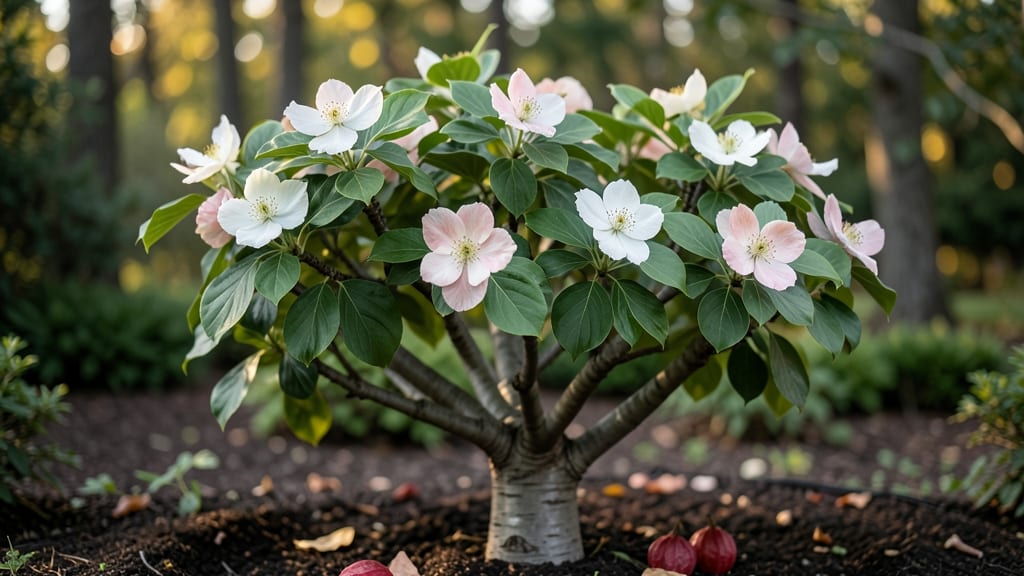
The Kousa dogwood tree flower transforms your yard into a living painting—pink blooms in spring, burgundy foliage in fall, and even winter interest with its exfoliating bark. ✨ Pruning this beauty isn't just about shaping; it's about unlocking its full seasonal potential with just four strategic cuts a year.
Most gardeners overlook the Kousa dogwood's natural structure, but its layered branches create that signature "whirl" of flowers. I've pruned mine for three years now, and the difference is stunning: thicker blooms, fewer bare stems, and a tree that stays compact without losing its dramatic form.
The key? Timing your cuts to align with its growth cycles.
By summer's end, you'll see fuller canopies and more vibrant flowers next spring—no harsh shearing required. The pruning process takes less than 30 minutes per season, and the payoff is a tree that looks intentional, not hacked.
Works for both small urban yards and spacious landscapes. Here's how to make it effortless—even for beginners who've struggled with pruning before.
📚 In This Guide
- What you need
- Instructions
- Tips and common mistakes
- Wrapping up and next steps
What you need
- ● Bypass pruners (sharp, clean, and disinfected with rubbing alcohol or bleach solution): 1 pair for small branches (up to ½ inch in diameter)
- ● 1 pair for medium branches (up to 1 inch in diameter)
- ● Loppers (for branches 1–2 inches thick)
- ● Pruning saw (for thicker branches, 2+ inches in diameter)
- ○ Extension pole pruners (optional, for high branches—10–12 feet reach)
- ● Gloves (gardening gloves with grip for protection and comfort)
- ● Disposable pruning bags or bucket (for collecting debris)
- ● Rubbing alcohol (70% or higher) or bleach solution (1 part bleach to 9 parts water)
- ○ Sealing wax or pruning paint (optional, for large cuts to prevent disease)
- ● Weather check: Prune on a dry, overcast day or early morning to avoid stressing the tree.
- ● Tree health assessment: Inspect the tree for signs of disease (e.g., fungal spots, oozing sap) before pruning.
- ○ Safety gear (optional but recommended): Safety glasses
- ● Long sleeves/pants (to protect from thorns or sap)
- ● Clean workspace: Lay down a tarp or old sheet to catch debris and make cleanup easier.
- ● 🔪 Sharpen your tools! Dull blades tear bark, increasing the risk of disease. Hone pruners with a file before starting.
- ● 🌡️ Timing matters: Avoid pruning during extreme heat or frost—aim for mild temperatures (50–75°F).
- ● ✨ Label your cuts: If removing multiple branches, mark them with twine or flags to stay organized.
Step-by-Step guide to pruning Kousa dogwood trees for year-round beauty
Mastering these four seasonal cuts transforms your Kousa dogwood into a showstopper—spring blooms, summer foliage, and winter structure all depend on timing and technique.
✂️ Step 1: Late Winter Cleanup (Before Bud Break)
This is your reset moment. Grab your pruners and work in dormant season (typically February–March in most climates) when the tree isn’t actively growing. The goal is to remove dead, diseased, or crossing branches that compete for energy. Look for branches that are gray, brittle, or lacking buds—these won’t recover and should go first.
I start by removing any suckers (vigorous shoots at the base) and water sprouts (vertical shoots growing from the trunk or branches). These sap-suckers drain energy from your flowering branches. Cut them back to the collateral bud (the one facing outward) to encourage proper growth direction. For larger branches over ½ inch thick, use clean, sharp loppers to avoid tearing bark.
🌿 Step 2: Post-Bloom Thinning (After Flowers Fade)
Timing here is everything—wait until after flowering (usually late May–June) but before new growth hardens. Your Kousa dogwood’s stunning pink bracts (the showy petal-like structures) have already done their job, so it’s safe to shape the tree. Focus on thinning out 20–30% of the oldest stems to improve airflow and light penetration.
I target branches that are crowding the center or growing inward. Cut these back to a strong lateral branch or the trunk. Never remove more than one-third of the canopy in a single season—this stresses the tree. If you’re unsure which branches to cut, imagine sunlight filtering through: aim for an open, airy structure that lets light reach all foliage.
☀️ Step 3: Summer Light Pruning (Mid-Season Maintenance)
This isn’t about heavy cuts—just fine-tuning to keep your tree looking its best. Work in July–August when the tree is actively growing but not stressed by heat. Look for overly dense areas where leaves block sunlight from reaching the lower canopy. Remove small, weak branches that are rubbing against others or growing in awkward directions.
Here’s the trick: prune in stages. Instead of cutting everything at once, remove one or two branches per session to avoid shocking the tree. I also check for pest damage (like dogwood borer holes) and diseased leaves (yellowing or with black spots). Snip these off immediately—don’t wait. Use sterilized pruners (wipe with rubbing alcohol between cuts) to prevent spreading pathogens.
⏰ Step 4: Winter Structural Pruning (Late Fall–Early Winter)
This is your big-picture shaping session, scheduled for November–December when the tree is dormant but still has leaves to guide you. Step back and assess the scaffold branches (the main structural limbs). Your Kousa dogwood’s horizontal branching habit should create a rounded, layered silhouette. If branches are growing too upright or downward, prune to encourage outward growth.
For larger branches, use the three-cut method to avoid bark tearing: First, make an under-cut about 6–12 inches out from the branch collar. Then, cut above the under-cut on the opposite side. Finally, remove the stub just outside the branch collar. This preserves the tree’s natural healing ability. After pruning, seal larger cuts (over ½ inch) with pruning sealant to prevent disease entry.
Tips & tricks for perfect Kousa dogwood pruning
These seasonal strategies will help you maintain your tree's health and beauty throughout the year.
Seasonal Timing is Everything: The four-step schedule in the instructions—February–March for cleanup, late May–June for thinning, July–August for maintenance, and November–December for structural shaping—aligns perfectly with your Kousa dogwood's natural growth cycles. Missing these windows can disrupt flowering patterns or stress the tree. I've seen trees with winter pruning done in January struggle with poor spring blooms because they missed the dormant season's natural healing period.
Bud Identification Made Easy: When pruning in Step 1, look for the collateral bud—it's the outward-facing bud just below where the branch meets the trunk. This is your guide for proper cuts. I use a small flashlight to check buds in low light; healthy buds should be plump and greenish, not shriveled or brown. For branches over ½ inch thick, always use loppers to prevent bark damage that can invite pests.
Thinning Strategy for Airflow: In Step 2, focus on creating an "open vase" shape by removing branches that grow inward. This isn't about quantity—it's about light penetration. I imagine sunlight streaming through the canopy like a stained-glass window. Aim to remove branches that are 1/3 the diameter of the trunk or smaller to maintain structural integrity while improving airflow that prevents fungal diseases.
Pest Prevention During Summer Pruning: During Step 3's mid-season maintenance, sterilizing your pruners between cuts is non-negotiable. I keep a small bottle of rubbing alcohol in my tool belt and wipe blades after every 3-4 cuts, especially when dealing with yellowing leaves or suspicious growths. Dogwood borers are attracted to fresh cuts, so prompt removal of diseased material is critical—don't leave any snipped branches lying on the ground near the tree.
Pro Tips for Kousa Dogwood Tree Flower
- These seasonal strategies will help you maintain your tree's health and beauty throughout the year.
- Missing these windows can disrupt flowering patterns or stress the tree.
- Bud Identification Made Easy: When pruning in Step 1, look for the collateral bud—it's the outward-facing bud just below where the branch meets the trunk.
Frequently asked questions
Got questions about keeping your kousa dogwood tree in bloom with perfect pruning? Here are answers to the most common ones—so you can enjoy its stunning flowers year-round!
When is the best time to prune kousa dogwood flowers?
The ideal time is late winter or early spring (just before buds swell) to avoid cutting off next year’s blooms. For light shaping, prune immediately after flowering—but never remove more than 25% of the canopy at once. Pro tip: Avoid pruning in fall, as it can stimulate tender growth vulnerable to frost damage.
Can I prune kousa dogwood in summer?
Yes, but only for minor adjustments like removing dead branches or thinning crowded growth. Summer pruning can stress the tree, and heavy cuts may reduce fall color or next year’s flowers. If you must prune, do it in early summer (June) and keep cuts clean to prevent disease.
Why aren’t my kousa dogwood flowers as vibrant?
Dull flowers often signal over-pruning, poor nutrition, or stress. Check for:
- Too many cuts in one season (stick to the 25% rule).
- Compacted soil or drought (water deeply 1–2x/week in dry spells).
- Lack of sunlight (kousa dogwood needs 6+ hours of sun).
Is kousa dogwood different from regular dogwood when pruning?
Yes! Kousa dogwood (Cornus kousa) blooms on old wood, so avoid heavy pruning like flowering dogwood (Cornus florida). Unlike its cousin, kousa dogwood produces berries (for birds!) and stunning fall foliage—so prune lightly to preserve these features. Key difference: Never “rejuvenate” prune (cutting back to the ground).
What if I accidentally prune too much?
Don’t panic! If you’ve removed over 25% of the canopy, stop pruning immediately and focus on recovery:
- Water deeply to reduce stress.
- Avoid fertilizing (it can harm weak roots).
- Monitor for pests/disease (pruning wounds are entry points).
Are there alternatives to kousa dogwood for low-maintenance flowers?
If pruning feels overwhelming, try these equally stunning, low-maintenance options:
- Serviceberry (Amelanchier): White spring blooms + edible berries.
- Fothergilla: Fragrant spring flowers and fiery fall foliage.
- Hydrangea (Oakleaf or Panicle types): Thrives with minimal pruning.
Wrapping up and next steps
The Kousa dogwood tree isn’t just a floral showstopper—it’s a year-round masterpiece when cared for with the right pruning techniques. By mastering the four-season cuts, you’ll keep its blooms vibrant, its structure strong, and its charm effortless.
Whether you’re a pruning pro or a curious beginner, now’s the perfect time to roll up your sleeves and give this beauty the TLC it deserves!
🌿 Next step: Grab your tools, pick a sunny day, and start with a light trim—your Kousa dogwood will thank you with season after season of elegance! 🌸