
Pruning
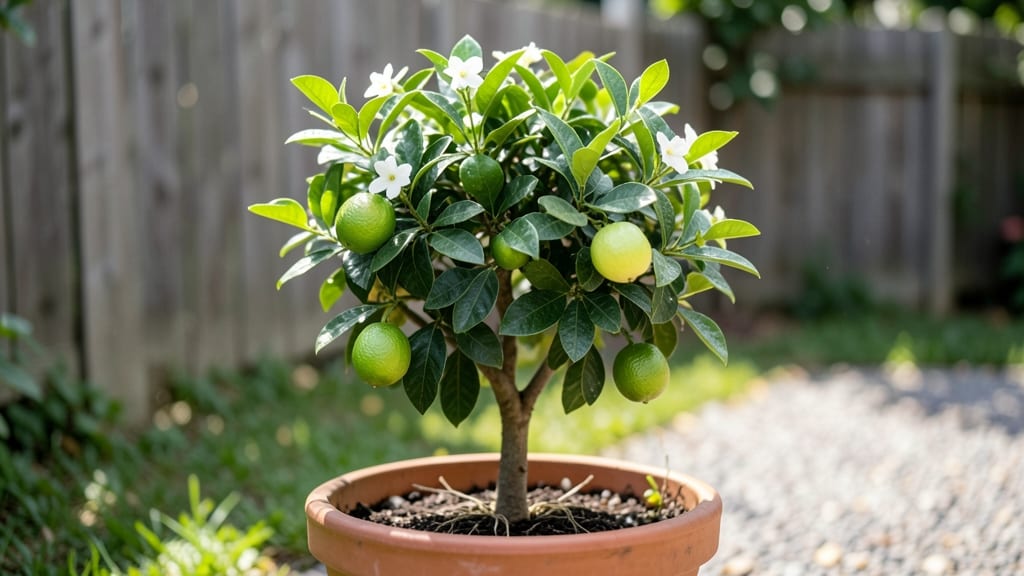
Growing a key lime tree in a pot lets you enjoy tropical fruit on your patio or balcony. 🌿 The dwarf variety stays manageable while producing sweet, fragrant limes year-round with the right pruning.
I’ve grown mine for three years now, and the secret to consistent fruit is understanding when and how to shape the tree—without sacrificing its natural beauty or productivity.
Start with a 15- to 20-gallon container (dwarf varieties need room to grow but not acres) and a well-draining potting mix designed for citrus. My tree thrives in a 50/50 blend of cactus mix and perlite, which prevents soggy roots while holding enough moisture for those deep tropical roots.
Place it where it gets 6-8 hours of sunlight daily—morning sun and afternoon shade works best in hot climates.
Pruning isn’t just about shaping; it’s about encouraging fruit production. Cut back leggy growth in late winter or early spring to open the canopy and redirect energy to flowering branches. Thin out crowded stems to improve airflow, which reduces disease risk.
With consistent care, you’ll harvest dozens of limes per season, and the fragrance alone makes it worth the effort.
Winter care is the trickiest part—most dwarf varieties can’t handle frost, so bring potted trees indoors near a sunny window or grow light. Watch for overwatering (soggy soil = root rot) and pests like scale, which love citrus.
A monthly feeding with a balanced citrus fertilizer keeps the tree happy and productive, even in containers.
📚 In This Guide
- What you need
- Instructions
- Tips and common mistakes
- Wrapping up and next steps
What you need
- ● Dwarf Key Lime Tree (Citrus aurantifolia) – Look for a potted variety (1-3 gallons) from a nursery or online citrus specialist. Ensure it’s labeled as "dwarf" or "bush-type" for container growth.
- ● Pot with Drainage Holes – A 15-20 gallon container (minimum 18" diameter) for mature trees. Use terracotta, ceramic, or high-quality plastic to prevent root rot.
- ● Well-Draining Potting Mix – A blend of 60% citrus-specific soil, 20% perlite or pumice, and 20% compost. Avoid garden soil—it compacts and suffocates roots!
- ● Pruning Tools: Bypass Pruners – Sharp, clean bypass pruners (for cuts to avoid crushing stems.
- ● Hand Pruners or Loppers – For thicker branches (¼"–¾"), opt for bypass loppers with a ratchet mechanism for leverage.
- ● Sterilizing Alcohol (70% isopropyl) – To wipe tools before and after each use and prevent disease spread.
- ○ Support Stakes or Trellis (Optional) – If your tree grows tall, a lightweight bamboo stake or small trellis can help support branches during pruning.
- ● Sunlight Access – A south-facing window, grow light, or outdoor spot with . Key limes thrive in warmth!
- ○ Watering Setup – A self-watering pot or drip irrigation (optional but helpful) to maintain consistent moisture without overwatering.
- ● Fertilizer Plan – A balanced citrus fertilizer (6-6-6 or 8-3-9 NPK ratio) applied every 4-6 weeks during growing seasons (spring–fall).
- ● Winter Care (If Indoor) – A space heater or heat mat to keep temps above 50°F (10°C)—key limes hate cold drafts!
Step-by-Step guide to pruning your dwarf key lime tree in a pot
Here's how to keep your dwarf key lime tree thriving and productive year-round with precise pruning techniques.
✂️ Step 1: Identify and Remove Dead or Diseased Branches
Start by inspecting your tree for any branches that are brown, brittle, or showing signs of disease like black spots or fungal growth. These branches won't recover and will only drain energy from your tree. Use clean, sharp pruning shears to make cuts just outside the branch collar—the swollen area where the branch meets the trunk. This ensures the wound heals properly and reduces the risk of infection.
I always prune dead branches first because they can harbor pests and diseases that might spread to healthy parts of the tree. If you're unsure whether a branch is dead, scratch the bark with your fingernail. If it's green underneath, it's still alive. If it's brown or dry, it's time to remove it. Never leave stubs—always cut back to the collar to promote clean healing.
✂️ Step 2: Shape the Tree for Airflow and Sunlight
Key lime trees thrive when they receive plenty of sunlight and air circulation. Start by thinning out any crowded branches—remove about 20-30% of the interior growth to improve airflow. Focus on branches that are growing inward or crossing over others, as these can rub against each other and create wounds. Cut these back to a healthy outward-facing bud or branch.
Next, shape the outer canopy to encourage an open, rounded form. Aim for a balanced silhouette where light can penetrate to the center of the tree. I like to step back every few cuts to visualize the overall shape. Avoid over-pruning the top—this can create a "widowmaker" effect where the tree becomes top-heavy and unstable. Prune gradually over time to maintain a natural, sturdy structure.
✂️ Step 3: Prune for Fruit Production
To encourage more fruit production, focus on pruning back any overly vigorous growth that's competing with flower and fruit development. Cut back the tips of new shoots that are growing too quickly, especially if they're growing straight up. This redirects the tree's energy toward producing flowers and fruit rather than excessive foliage.
Look for clusters of fruit and ensure they have access to sunlight by thinning out any dense foliage nearby. Remove any "water sprouts"—those fast-growing, vertical shoots that appear along the trunk or branches. These saplings drain nutrients from the tree and rarely produce fruit. Use your shears to make clean cuts at a 45-degree angle just above a leaf node or bud, always cutting outward from the branch to prevent water from pooling on the wound.
✂️ Step 4: Light Pruning for Maintenance
Throughout the growing season, perform light maintenance pruning to keep your tree in check. Remove any suckers that sprout from the base of the tree or along the trunk. These are aggressive, non-fruiting shoots that can weaken your tree. Pinch off any flower buds that appear in the first year—this encourages the tree to focus on root and branch development rather than fruiting, which can stress a young plant.
After harvest, give your tree a final light pruning to tidy up any remaining dead leaves or spent fruit clusters. This keeps the tree looking neat and reduces the risk of pests overwintering in debris. Avoid heavy pruning in late fall or winter, as this can stimulate new growth when the tree should be dormant. Instead, focus on shaping and thinning out any remaining dead or weak branches.
⏰ Step 5: Time Your Pruning for Optimal Growth
Prune your dwarf key lime tree at the right time to maximize fruit production and tree health. The best time to prune is late winter or early spring, just before new growth begins. This encourages vigorous spring growth and sets the stage for a productive fruiting season. Avoid heavy pruning in summer, as this can stress the tree and reduce fruit set.
If you notice any leggy growth or sparse foliage during the growing season, you can perform light pruning to encourage bushier growth. However, avoid cutting back more than 25% of the tree's foliage at any one time, as this can shock the plant. Always use sterilized pruning tools to prevent the spread of disease, and make cuts just above a leaf node or bud to encourage new growth in the right direction.
Tips & tricks for pruning your dwarf key lime tree
These pro techniques will help you maintain a healthy, fruit-bearing tree while avoiding common pruning pitfalls that can stress your plant.
Tool Preparation: Sterilize your pruning shears with rubbing alcohol before each use—this prevents cross-contamination between branches. I also recommend using a sharp pair of bypass pruners for clean cuts; dull blades crush stems, which invites disease. For thicker branches over ½ inch, switch to a pruning saw with a fine-toothed blade to avoid tearing the bark. Always clean tools after use to remove sap and debris that can harbor pathogens.
Visual Cues for Healthy Growth: In Step 2, when shaping for airflow, look for branches that form a "V" shape where they meet the trunk—these are structurally weak and should be removed. Healthy branches should have a slight upward angle (about 45 degrees) and smooth, green bark. If you notice small, knobby growths called "burls" forming on branches, these indicate stress and should be pruned back to encourage healthier growth patterns. The goal is to create an open, umbrella-like shape that allows sunlight to reach all parts of the canopy.
Seasonal Timing Nuances: While late winter/early spring is ideal for major pruning, you can perform light maintenance throughout the year. In summer, focus on removing only water sprouts and crossing branches—never more than 25% of foliage at once. During harvest season, limit pruning to deadwood removal only, as cutting back too aggressively can reduce fruit set for the next season. I've found that a gentle approach in summer preserves the tree's energy for fruit production while still maintaining its shape.
Wound Care: After making any cut, apply a thin layer of pruning sealant to larger wounds (over ¼ inch in diameter) to prevent moisture loss and infection. For smaller cuts, let the tree's natural healing process take over—the branch collar will eventually seal the wound. Avoid painting healthy bark with sealant, as this can suffocate the tree. I've seen many pruners overdo it with sealant, thinking it's always necessary, when in fact most small cuts heal perfectly on their own.
Pro Tips for Key Lime Tree In Pot
- These pro techniques will help you maintain a healthy, fruit-bearing tree while avoiding common pruning pitfalls that can stress your plant.
- Tool Preparation: Sterilize your pruning shears with rubbing alcohol before each use—this prevents cross-contamination between branches.
- Visual Cues for Healthy Growth: In Step 2, when shaping for airflow, look for branches that form a "V" shape where they meet the trunk—these are structurally weak and should be removed.
Frequently asked questions
Got questions about growing a key lime tree in a pot? You’re not alone! Whether you’re a first-time citrus grower or a pruning pro, these answers will help you keep your dwarf tree thriving—and fruiting—year-round.
Can a key lime tree in a pot produce fruit?
Dwarf varieties like ‘Meyer’ or ‘Limequat’ hybrids (often sold as key lime trees) thrive in pots and can produce fruit—though smaller than full-size trees. With proper care (sunlight, pruning, and fertilizer), expect blooms and limes in 1-3 years. Just be patient and consistent!
When is the best time to prune a potted key lime tree?
Prune your tree twice a year: late winter/early spring (before new growth) to shape it, and after fruiting (fall/winter) to encourage next year’s harvest. Avoid heavy pruning in summer—it stresses the tree and can reduce fruit set.
What’s the ideal pot size for a dwarf key lime tree?
Start with a 5-gallon pot for young trees, then upgrade to 10-15 gallons as it matures. Ensure pots have drainage holes to prevent root rot. Larger pots (20+ gallons) are better for mature trees but require more frequent watering. Pro tip: Use a lightweight container for easy moving!
Why aren’t my key lime tree’s leaves turning yellow?
Yellow leaves usually signal overwatering, nutrient deficiency, or pests. Check the soil—it should be slightly dry before watering. Yellowing with brown edges? Likely underwatering or salt buildup. Inspect for aphids or spider mites (common in potted citrus) and treat with neem oil if needed.
How do I protect my potted key lime tree in winter?
Key lime trees are tender to frost (below 25°F). Move pots to a garage, shed, or insulated porch when temps drop. If outdoors, wrap the pot in bubble wrap or frost cloth and mulch the soil. Avoid heaters near the tree—dry air stresses citrus. A sunny windowsill indoors works too!
What if my key lime tree isn’t fruiting?
Lack of fruit often stems from lack of sunlight, improper pruning, or low nutrients. Ensure your tree gets 6+ hours of direct sun daily. Prune to encourage airflow and blooms, and feed with a citrus-specific fertilizer (high in nitrogen in spring, phosphorus in fall). Some trees need 2-3 years to mature—patience is key!
Wrapping up and next steps
Growing a key lime tree in a pot is a rewarding journey—especially when you master pruning to keep it productive and healthy!
With the right dwarf variety and consistent care, you’ll enjoy year-round fruit while keeping your tree compact and manageable. Now’s the perfect time to put your new skills into action!
Start by inspecting your tree weekly—remove dead growth, shape for airflow, and harvest those juicy limes before they ripen. Want to go further? Experiment with container sizes or even indoor growing tips to extend your harvest season. Your citrus paradise is just a trim away! 🌿✨