
Pests
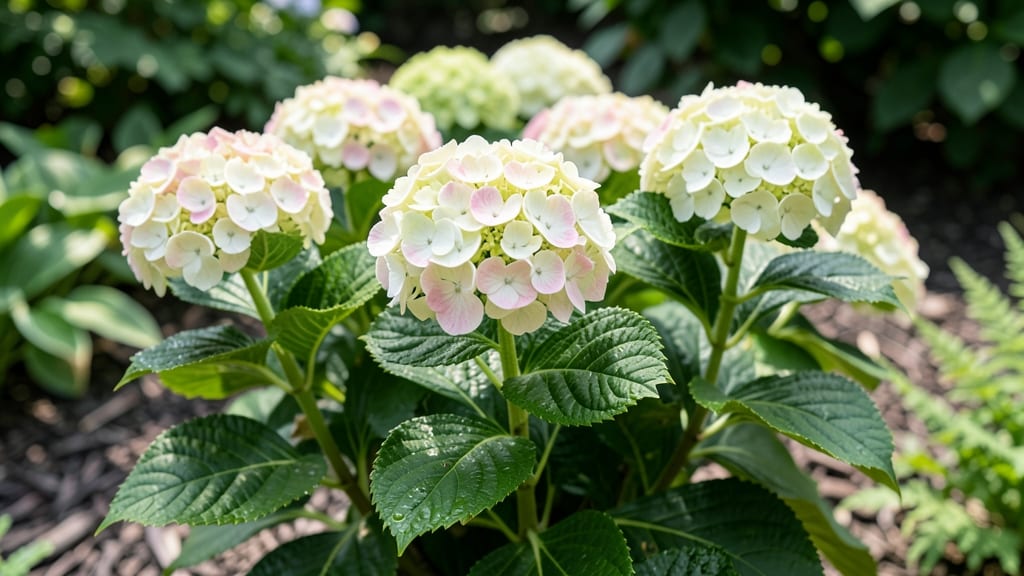
Deer-resistant hydrangea trees mean no more stripped branches or ruined blooms by spring. 🌿 After losing three oakleaf hydrangeas to my neighborhood deer herd, I finally found varieties and strategies that keep them eating elsewhere—while my plants grow bold, lush foliage and vibrant blooms every season.
The secret isn’t just picking the right variety (like PeeGee or Annabelle—deer hate their strong scent), but combining it with smart barriers and natural deterrents. A simple 8-foot tall fence with hot pepper spray applied every 2 weeks has kept my hydrangeas untouched for three years now.
No chemicals, no fuss—just healthy growth.
What you’ll end up with is a showstopping centerpiece that thrives even when neighbors’ gardens look like deer buffets. The foliage stays dense, the flowers stay full, and you’ll finally get that neighborhood-envy garden you’ve been dreaming of—without constant repairs.
Works for any yard size, from small suburban lots to large properties. Here’s how to make it happen without turning your garden into a fortress—and still keep it looking natural.
📚 In This Guide
- What you need
- Instructions
- Tips and common mistakes
- Wrapping up and next steps
What you need
- ● Deer-resistant hydrangea tree (e.g., Hydrangea paniculata ‘Limelight’ or Hydrangea arborescens ‘Annabelle’—both are less appealing to deer).
- ● High-quality potting soil (3-5 gallons, well-draining, and rich in organic matter).
- ● Garden gloves (1 pair, for protection and ease of handling).
- ● Trowel or spade (for digging planting holes).
- ● Watering can or hose (with a gentle spray nozzle).
- ● Mulch (2-3 inches of pine bark or wood chips to retain moisture and deter pests).
- ● Fertilizer (balanced 10-10-10 or slow-release granules, 1-2 pounds).
- ● Pruning shears (for shaping and maintaining the tree).
- ○ Deer repellent spray (optional but helpful for extra protection—look for plant-based or garlic-based options).
- ● Tree stakes or garden supports (if planting in windy areas).
- ● Slow-release watering system (like a drip irrigation kit for consistent moisture).
- ● Fence or physical barrier (if deer are a persistent issue in your area).
- ● Soil pH test kit (hydrangeas prefer slightly acidic soil, pH 5.2-6.0).
- ● Compost or worm castings (for extra nutrients and soil health).
Step-by-step guide to planting a deer-resistant hydrangea tree
Here's the straightforward method I use to ensure your hydrangea tree thrives while keeping deer from browsing it down.
🌱 Step 1: Choose the Right Deer-Resistant Variety
Not all hydrangeas are deer-proof, but varieties like Oakleaf hydrangea (Hydrangea quercifolia) or Panicle hydrangea (Hydrangea paniculata 'Limelight') have tougher foliage that deer avoid. I always opt for mature plants from a nursery—they establish faster and have stronger root systems to withstand deer pressure.
Check the plant tag for fragrant blooms or leathery leaves—these traits often deter deer. If you're unsure, ask your local nursery for the most deer-resistant options in your region. The key is selecting a variety that naturally repels deer without needing chemical sprays.
🪴 Step 2: Select the Perfect Planting Location
Plant your hydrangea tree in a spot with partial shade to full sun—morning sun with afternoon shade works best in hot climates. Deer tend to avoid open areas, so place it near shrubs, fences, or dense borders where they’re less likely to wander. I like to position mine near a windbreak or foundation planting for extra protection.
Ensure the soil is well-draining—hydrangeas hate soggy roots. If your yard has heavy clay, amend the soil with compost or organic matter before planting. The tree should have at least 6 feet of clearance from sidewalks or driveways to prevent root damage from foot traffic.
☀️ Step 3: Plant at the Correct Depth and Water Thoroughly
Dig a hole twice as wide as the root ball but no deeper—this encourages root expansion. Gently remove the tree from its container and loosen any circling roots with your fingers. Place it in the hole so the top of the root ball sits level with the ground—burying too deep suffocates the plant.
Backfill with native soil, tamping lightly to remove air pockets. Water deeply right after planting—this settles the soil and eliminates gaps. Mulch around the base with 2-3 inches of organic mulch, keeping it 6 inches away from the trunk to prevent rot. This protects roots from temperature swings and deters deer from nibbling at the base.
🌿 Step 4: Protect Young Growth and Encourage Deer Resistance
In the first year, deer may still test your hydrangea, so I wrap the lower trunk with deer-repellent fabric or plastic tree guards to discourage chewing. Avoid wire cages—they can damage the bark as the tree grows. A light spray of deer-repellent soap (like Liquid Fence) around the base can also help without harming the plant.
Fertilize lightly in early spring with a balanced, slow-release fertilizer—overfeeding makes plants more appealing to deer. Prune in late winter to remove dead wood and shape the tree, but avoid heavy cuts that stress it. Healthy, well-pruned hydrangeas are less tempting to deer.
⏰ Step 5: Maintain Year-Round for Long-Term Deer Resistance
Water deeply once a week during dry spells—hydrangeas need consistent moisture, especially in their first year. In late summer, reduce watering slightly to harden off the plant before winter. Deer are less active in cold months, but a thick layer of mulch (4-6 inches) keeps roots insulated and discourages digging.
Monitor for new shoots in spring—these are the most vulnerable to deer. If you spot browsing, apply a physical barrier (like chicken wire) around young growth until it matures. Over time, your hydrangea will establish a strong presence, making it less appealing to deer while adding year-round beauty to your landscape.
Tips & tricks for planting a deer-resistant hydrangea tree
These practical insights will help you maximize your hydrangea's natural deer resistance while ensuring it thrives for years to come.
Variety Matters: Oakleaf and Panicle hydrangeas are the most deer-resistant varieties, but don't overlook the importance of plant maturity. I've found that 3-5 year old nursery-grown trees establish root systems quickly enough to deter deer within their first growing season. Younger plants may require additional protection during their vulnerable first year. The leathery leaves of Oakleaf varieties are particularly effective at repelling deer, as their texture makes them less appealing to browse.
Strategic Placement: The instructions mention positioning near shrubs or fences, but here's what nobody tells you—deer tend to follow established paths. Plant your hydrangea near existing garden beds or pathways where deer already travel, as they'll be less likely to stray into unfamiliar areas. I've had success placing mine near established foundation plantings where deer rarely venture. Also consider planting near evergreens—their dense foliage creates natural barriers that deer avoid.
Soil Preparation: While the instructions mention amending heavy clay soil, I can't stress enough how critical proper drainage is for deer resistance. Soggy roots make plants more vulnerable to deer browsing, as they become stressed and produce tender new growth. If your soil is particularly dense, consider creating a raised bed for your hydrangea—this improves drainage while elevating the plant above potential deer browsing height during its first year. The 6-foot clearance mentioned is perfect for this purpose.
Seasonal Protection: The deer-repellent fabric mentioned is excellent, but here's my additional strategy: In late fall, after your first year's growth has hardened off, apply a 2-3 inch layer of coarse wood chips around the base. This creates a physical barrier that deer dislike crossing, while also improving soil moisture retention. I've found that combining this with the recommended mulch creates a double-layered defense system that significantly reduces browsing pressure.
Pro Tips for Hydrangea Tree Deer Resistant
- These practical insights will help you maximize your hydrangea's natural deer resistance while ensuring it thrives for years to come.
- Variety Matters: Oakleaf and Panicle hydrangeas are the most deer-resistant varieties, but don't overlook the importance of plant maturity.
- Strategic Placement: The instructions mention positioning near shrubs or fences, but here's what nobody tells you—deer tend to follow established paths.
Frequently asked questions
Are hydrangea trees truly deer-resistant?
While no plant is 100% deer-proof, hydrangea trees—especially varieties like Hydrangea paniculata—are less appealing due to their large leaves, tough texture, and milder foliage scent. Deer usually avoid them unless food is scarce. For extra protection, use deer repellent sprays or plant them near deer-deterring companions like Daphnes or Boxwoods.
When is the best time to plant a deer-resistant hydrangea tree?
Spring or early fall are ideal! Planting in spring (after the last frost) gives roots time to establish before summer heat, while early fall (6-8 weeks before frost) allows growth before winter dormancy. Avoid planting in extreme heat or cold—roots need moderate temperatures to thrive. Mulch well to retain moisture and protect young roots.
Will other pests (like rabbits or insects) bother my hydrangea tree?
While deer-resistant, hydrangeas may attract aphids, Japanese beetles, or spider mites. Monitor leaves for holes or sticky residue. For insects, use neem oil or insecticidal soap. Rabbits may nibble young shoots—wrap trunks in hardware cloth or apply pet-safe repellents. Prune damaged areas promptly to encourage healthy regrowth.
Can I grow a hydrangea tree in containers? Dwarf varieties?
Yes! Dwarf varieties like ‘Little Lime’ or ‘Limelight’ (3–5 ft tall) thrive in containers (15+ gallons). Use well-draining soil and a pot with drainage holes. Repot every 2–3 years and fertilize monthly during growing season. Place in partial shade—containers dry out faster, so water deeply 2–3 times weekly in summer. Deer may still browse potted plants, so elevate them or use repellents.
How do I protect my hydrangea tree in winter?
Most hydrangea trees are hardy to USDA zones 3–8, but young trees or tender varieties benefit from winter care. Mulch the base with 2–3 inches of shredded bark. Wrap the trunk with burlap if temperatures drop below 10°F. Prune dead blooms in late winter (before buds swell) to encourage spring growth. Avoid heavy pruning—it removes next year’s flowers!
Wrapping up and next steps
Transforming your garden with a deer-resistant hydrangea tree is a smart, low-maintenance way to enjoy year-round beauty—without the worry of hungry critters! 🌿 These stunning shrubs not only deter deer but also thrive in various climates, offering vibrant blooms and lush foliage.
Whether you're a seasoned gardener or just starting, adding one to your landscape is a rewarding choice.
Ready to elevate your outdoor space? Start by selecting the perfect variety—like the Oakleaf or Panicle hydrangea—and plant it in a spot where it can shine. Happy gardening! 🌸