
Propagation
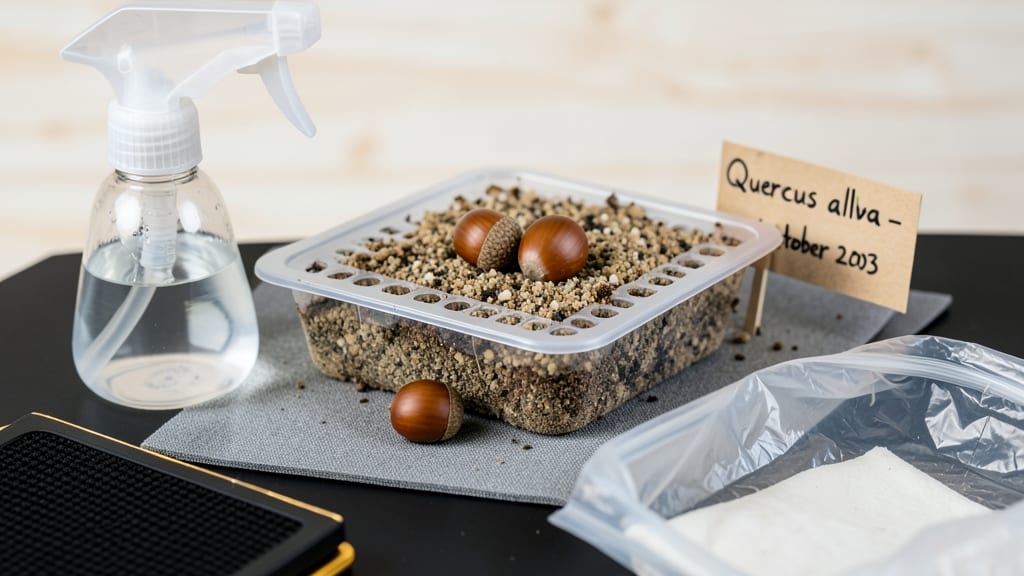
Germinating oak tree seeds feels like waiting for a slow-motion miracle—because it is. 🌱 After years of trial and error with my own acorns, I finally cracked the cold stratification trick that turns stubborn seeds into reliable sprouts. The secret? Mimicking nature's winter chill period right in your own space.
You'll need fresh acorns, a damp paper towel, a plastic bag, and a fridge (or even a buried pot outdoors). The process takes 3-6 months of patience, but the payoff is worth it—strong seedlings that grow into mighty oaks.
Most people give up too soon because they don't know the seeds need this cold treatment to break dormancy.
Once you've stratified them properly, planting in well-draining soil under bright, indirect light gives you the best chance for success. Those first tiny roots breaking through the shell?
That's when you know you're on the right track. With consistent moisture and warmth, you'll see sprouts in 4-12 weeks—though some take longer.
This method works for red, white, and pin oak varieties, and the same principles apply whether you're starting with grocery-store acorns or freshly gathered ones. The key is staying consistent with moisture and temperature. Here's how to make it work for you!"
📚 In This Guide
- What you need
- Instructions
- Tips and common mistakes
- Wrapping up and next steps
What you need
- ● Fresh oak acorns: Collect at least 10-20 acorns (more = better odds for success!). Ensure they’re plump, heavy, and free of cracks or mold—these are your best bets for germination.
- ● Cold stratification setup: Moistened peat moss, perlite, or vermiculite: Fill a ziplock bag or small container (like a seed tray or plastic tub) with 2-3 inches of this medium. Keep it damp (not soggy!)—think of a wrung-out sponge.
- ○ Optional: A seedling heating mat (set to 70-75°F) to maintain warmth during stratification.
- ● Refrigerator or cold frame: A standard home fridge (set to 35-45°F) works perfectly for stratification. No fridge? A shady, outdoor cold frame or unheated garage can also do the trick.
- ● Planting pots or seedling trays: Use 3-4 inch pots or a tray with drainage holes. Fill with a well-draining potting mix (oak trees hate soggy roots!).
- ● Spray bottle: For keeping your medium consistently moist without overwatering.
- ● Plastic wrap or humidity dome: Helps maintain moisture during germination (remove once sprouts appear!).
- ○ Pruning shears or knife: For gently nicking the acorn shell (optional but can speed up germination for stubborn seeds).
- ● pH tester: Oak trees prefer slightly acidic soil (pH 5.0-7.0). Adjust your potting mix if needed.
- ● Grow lights or sunny windowsill: Once sprouted, seedlings need 12-16 hours of light daily. A south-facing window or LED grow lights work great.
- ● Fertilizer (low-nitrogen): A balanced 10-10-10 or 5-5-5 fertilizer (diluted to half-strength) can give seedlings a boost after 4-6 weeks.
- ● Label markers: Trust us, you’ll forget which acorn is which! Label your pots with the date and variety (if known).
Step-by-step instructions for germinating oak tree seeds
Cold stratification is the secret weapon for breaking oak seeds' stubborn dormancy.
🌱 Step 1: Harvest and Prepare the Acorns
Collect mature acorns in late fall after they've fallen naturally—they'll have a cap that's easy to remove. I like to soak them for 24 hours in lukewarm water first to soften the shell slightly. This helps prevent cracking later when moisture tries to expand the seed.
Use a sharp knife to carefully cut the cap off each acorn, being careful not to damage the seed inside. The goal is to expose the seed while keeping the shell intact. If you see any mold or soft spots on the acorn, discard it—those won't germinate properly. You'll want 4 healthy acorns to start with, as not all will sprout.
💧 Step 2: Perform Cold Stratification
Place the prepared acorns in a plastic bag with a damp paper towel. The towel should be moist but not dripping—squeeze it gently to check. Seal the bag loosely so air can circulate slightly, then refrigerate for 60-90 days.
Here's the thing—don't skip this step. Oak seeds need this cold period to mimic winter conditions and break their natural dormancy. I check them every 2 weeks to ensure the paper towel stays damp. If you notice any mold developing, remove those acorns immediately and start fresh with new ones.
☀️ Step 3: Plant the Stratified Acorns
After stratification, plant each acorn 1 inch deep in a small pot filled with a mix of 50% potting soil and 50% perlite. The perlite helps with drainage and prevents root rot. I like to use individual pots for each acorn so I can monitor them separately.
Water the soil gently until it's moist but not soggy. Place the pots in a warm, sunny spot where temperatures stay between 65-75°F during the day. You'll see the first signs of germination in 4-8 weeks, when a small root emerges from the bottom of the acorn.
🌿 Step 4: Encourage Seedling Growth
Once the root appears, wait until you see the first true leaves—these will look different from the initial seed leaves—before transplanting. Keep the soil consistently moist but never waterlogged. I use a spray bottle to mist the soil lightly every 2-3 days until the seedlings are established.
When the seedlings reach about 3-4 inches tall and have several leaves, you can transplant them into larger pots or directly into the ground. If planting outdoors, choose a location with partial shade and well-draining soil. Oak seedlings are sensitive to transplant shock, so handle them gently and keep them watered regularly during their first growing season.
Tips & tricks for perfect oak seed germination
Here's what nobody tells you about breaking through oak seeds' stubborn nature—these tricks make all the difference between success and frustration.
Soaking Secret: That 24-hour soak in lukewarm water isn't just about softening—it's about waking up the seed. I like to use a glass jar so I can see the water level and check for any floating acorns (those won't sprout). Change the water halfway through if it gets cloudy, which helps prevent mold from starting before you even begin stratification.
Stratification Strategy: The 60-90 day cold period is non-negotiable, but here's the thing—don't be afraid to extend it if your climate is mild. Some oak varieties need up to 120 days, especially if you're in a warmer region. I've had better luck with white oaks when I push to 90 days rather than cutting it short. The key is patience—this mimics nature's winter cycle perfectly.
Planting Precision: When planting those 1-inch-deep acorns, use a pencil to make a small hole first. This prevents crushing the seed while planting. The 50% perlite mix is crucial—it prevents root rot that can kill your seedlings before they even sprout. I like to label each pot with the date planted so I can track germination times accurately.
Germination Timing: Those 4-8 weeks for first signs of roots can feel like forever, but here's the trick: if you've done everything right, you'll start seeing tiny white roots poking out within 6-7 weeks. If nothing appears after 8 weeks, don't give up—some acorns take longer, especially red oak varieties. I've had seedlings emerge up to 10 weeks after planting.
Pro Tips for Germinate Oak Tree Seeds
- Here's what nobody tells you about breaking through oak seeds' stubborn nature—these tricks make all the difference between success and frustration.
- Soaking Secret: That 24-hour soak in lukewarm water isn't just about softening—it's about waking up the seed.
- Stratification Strategy: The 60-90 day cold period is non-negotiable, but here's the thing—don't be afraid to extend it if your climate is mild.
Frequently asked questions
Got questions about germinating oak tree seeds? You’re not alone—this process can feel tricky! Below, we’ve rounded up the most common queries to help you navigate the journey from acorn to sapling with confidence.
How long does cold stratification take for oak seeds?
Cold stratification for oak seeds typically requires 2–3 months in the fridge (or outdoors in a protected spot). White oaks need 60–90 days, while red oaks may take slightly longer—up to 120 days. Patience is key! Monitor moisture levels to avoid mold.
Can I germinate oak seeds without cold stratification?
While possible, cold stratification dramatically improves success rates (from ~10% to over 50%). If you skip it, try soaking seeds in warm water for 24–48 hours or scarifying the shell lightly with sandpaper. However, results may be inconsistent.
Why aren’t my oak seeds sprouting after stratification?
Several factors could be at play:
- Dormancy issues: Some oaks need longer stratification (try extending to 4–6 months).
- Improper moisture: Keep the medium consistently damp (not soggy).
- Old seeds: Acorns lose viability after 1–2 years—use fresh ones!
- Temperature shock: Avoid abrupt fridge-to-warmth transitions.
Do I need to plant oak seeds deep in the soil?
No! Plant seeds only ½ inch deep—oaks have large embryos that need light to sprout. Over-planting can suffocate them. Use a well-draining mix (like 50% perlite + 50% peat) to prevent rot. Pro tip: Label your pots—oak seedlings take 2–5 years to mature!
What’s the best time of year to start germinating oak seeds?
Ideal timing is fall (September–October), mimicking natural acorn drop. If starting later, begin stratification in early winter (Dec–Jan) so seeds are ready by spring. Avoid summer heat, which can dry out seeds or trigger premature sprouting.
Can I grow an oak tree from a store-bought acorn?
Yes, but check the source! Store-bought acorns may be treated (e.g., dried for long storage) or from hybrid oaks with lower germination rates. For best results, collect fresh acorns from mature, local oak trees (white or red oaks work well).
Wrapping up and next steps
Germinating oak tree seeds is a rewarding journey that blends patience with nature’s magic—especially when you master the cold stratification trick! With the right materials, a little time, and careful attention to moisture and temperature, you’ll unlock the potential for sturdy saplings to thrive.
Whether you’re a seasoned gardener or a curious beginner, every tiny sprout is a step toward a future oak forest right in your backyard.
Ready to take the next leap? Plant those sprouted seeds in well-draining soil and give them the love they deserve. Soon, you’ll be watching them grow into majestic trees—one acorn at a time! 🌱✨