
How To
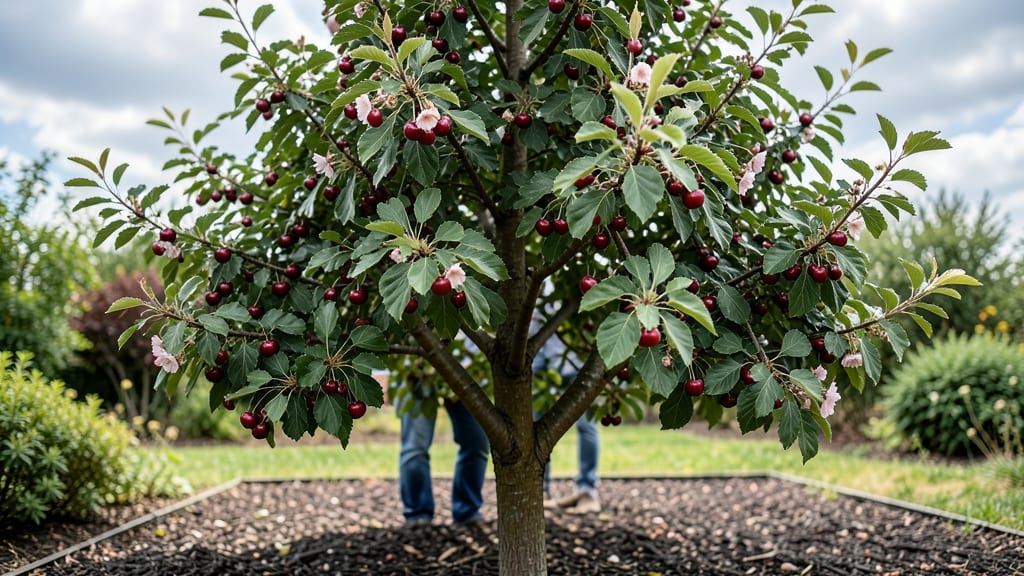
A Bing cherry tree 🍒 can grow between 15 and 25 feet tall, with its final height depending on rootstock, pruning, and growing conditions—but there’s a way to keep it manageable without sacrificing fruit.
If you're dreaming of a lush Bing cherry tree in your backyard but worried about it towering over your fence, you're not alone.
Many gardeners assume these trees will inevitably reach skyscraper heights, but with the right techniques, you can shape them to fit your space while still enjoying a bountiful harvest.
The key lies in understanding how the tree grows naturally and when to intervene. Without pruning, a Bing cherry tree will lean toward the taller end of the spectrum, but strategic cuts in early spring or late winter can encourage a fuller, shorter canopy.
This isn’t just about aesthetics—it’s about making the tree easier to harvest and maintain.
In this guide, I’ll break down the natural height range, share step-by-step pruning tips to control growth, and reveal common mistakes that lead to overgrown trees.
By the end, you’ll know exactly how to keep your Bing cherry tree at your ideal height—whether that’s a compact 8-foot dwarf or a more traditional 15-foot standard.


Natural height range of Bing cherry trees: what to expect
When you plant a Bing cherry tree, one of your first questions is likely, "How tall will this thing get?" The answer depends on several factors, but the natural height range for a mature Bing cherry tree typically falls between 12 to 16 feet under ideal conditions.
This makes it a manageable size for most home gardens while still providing plenty of shade and fruit. However, without proper care, it can easily reach 20 feet or taller, especially if left unpruned.
Understanding these growth patterns upfront helps you plan for pruning strategies, space allocation, and even structural support like staking. The key is recognizing that a Bing cherry tree’s height isn’t set in stone—it’s influenced by soil quality, climate conditions, and your pruning habits.
With the right approach, you can keep it within your desired height while maximizing fruit production.
| Growth Stage | Height Range | Key Factors |
|---|---|---|
| Year 1 | 1-2 feet | Root establishment, minimal pruning |
| Year 2-3 | 3-6 feet | Active growth, structural shaping |
| Mature (5+ years) | 12-16 feet | Pruning, soil, climate, variety |
| Unpruned Potential | 20+ feet | Neglect, poor soil, no pruning |
The Bing cherry tree is a semi-dwarf variety, which means it stays shorter than standard cherry trees but still needs regular maintenance to prevent overgrowth.
If you’re working with limited space, consider planting a dwarf Bing cherry grafted onto a Gisela rootstock, which typically matures between 8 to 12 feet. These varieties are perfect for small backyards or container growing, though they may produce slightly less fruit.
Your local climate plays a huge role in how tall your Bing cherry tree grows. Trees in warmer USDA zones (7-9) tend to grow faster and taller due to longer growing seasons, while those in cooler zones (5-6) may stay shorter due to shorter vegetative periods.
For example, a tree in Southern California might reach maturity faster than one in Northern Michigan, where growth slows in colder months.
Soil quality is another critical factor. Well-draining, slightly acidic soil (pH 6.0-6.5) promotes healthy root development, which in turn supports balanced growth. If your soil is clay-heavy or compacted, roots struggle to expand, leading to slower growth or even stunted height.
Amending with compost or organic matter before planting can make a noticeable difference in your tree’s long-term height and fruit production.
Assessing your tree’s growth potential early is the best way to plan for pruning and space management. Start by observing the central leader (main vertical stem) and lateral branches in the first 2-3 years.
If the central leader grows too aggressively, you’ll need to prune it back by 25-30% in late winter to encourage a bushier, shorter shape. This technique not only controls height but also improves air circulation, reducing the risk of fungal diseases.
One common misconception is that pruning will stunt fruit production. In reality, proper pruning increases yield by redirecting energy toward fruit-bearing branches rather than excessive vertical growth. Focus on removing water sprouts (shoots growing straight up) and weak, crossing branches to maintain an open canopy.
This approach ensures your tree stays within your desired height while still producing abundant Bing cherries.
If you’re unsure about your tree’s growth trajectory, take note of its annual growth rate. A healthy Bing cherry tree typically grows 12 to 24 inches per year during its first few years.
If it exceeds this range, it’s a sign that aggressive pruning is needed. Conversely, if growth stalls, check for nutrient deficiencies or pests, as these can also affect height.
For those with space constraints, consider training your Bing cherry tree as a multi-trunk specimen rather than a single leader. This method involves pruning the central stem early to encourage 3-5 strong branches from the base.
The result is a wider, shorter tree that’s easier to manage and produces fruit at a lower height, making harvests much more convenient.
Remember, the goal isn’t to keep your Bing cherry tree as short as possible—it’s to balance height with productivity. A well-pruned tree between 12 to 16 feet offers the perfect combination of manageable size and high-quality fruit production.
With the right care, you’ll enjoy years of sweet Bing cherries without the headache of an unruly giant.
Step-by-step pruning guide to control Bing cherry tree height
Pruning your Bing cherry tree isn’t just about controlling its height—it’s about shaping it for healthier growth and better fruit production.
Without proper pruning, these trees can easily reach 20–25 feet, but with the right techniques, you can keep them between 12–16 feet while encouraging a fuller canopy. The key is timing, tools, and technique.
Start by gathering your pruning tools: sharp bypass pruners for small branches, loppers for thicker stems, and a pruning saw for larger limbs. Sterilize your tools with rubbing alcohol to prevent disease spread.
Pruning at the right time—either late winter (dormant season) or summer (after harvest)—makes all the difference in how your tree responds.
Step-by-Step Pruning for Height Control
- 1 Identify Target Branches: Look for vertical shoots growing straight up—they’re the main contributors to height. Also, spot weak or crossing branches that compete for energy.
- 2 Prune in Late Winter: Cut 1/3 of vertical growth just above a bud or lateral branch. This encourages horizontal branching for a bushier shape. Avoid pruning when the tree is actively growing.
- 3 Encourage Lateral Branches: When you prune a vertical shoot, leave a bud facing outward to promote side branches. This creates a fuller canopy and reduces height over time.
- 4 Summer Pruning (Post-Harvest): Remove any suckers or water sprouts that appear after harvest. Thin out overcrowded branches to improve airflow and reduce disease risk.
- 5 Clean Up Debris: Remove all pruned branches and fallen leaves from the base of the tree. This prevents pests and diseases from taking hold in the soil.
- 6 Monitor Growth: After pruning, watch for new lateral branches forming. If the tree still grows too tall, repeat the process in 2–3 years to maintain your desired height.
One of the biggest mistakes gardeners make is pruning too late in the season, which can stimulate new growth that won’t harden off before winter. Instead, focus on structural pruning in late winter when the tree is dormant.
This ensures your cuts heal properly and the tree directs energy toward fruit-bearing branches rather than vertical growth.
For a shorter Bing cherry tree, aim to prune 10–15% of the canopy each year. This gradual approach prevents stress while still keeping the tree manageable. If you’re working with a young tree, prioritize removing competing leaders early to establish a strong, central trunk with well-spaced branches.
Remember, the goal isn’t just to cut height but to create a balanced, productive tree. With consistent pruning, your Bing cherry tree can stay at a manageable height while still rewarding you with bountiful harvests every summer. Happy pruning! 🌳✂️