
Pruning
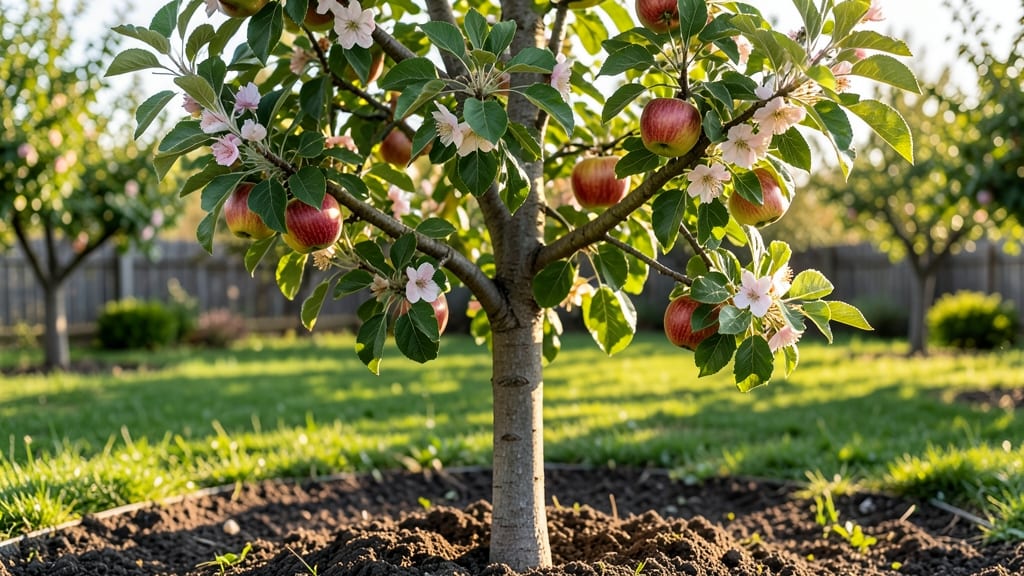
Honeycrisp apple trees grow best in USDA hardiness zones 3 through 8, handling everything from Minnesota's deep freezes to Virginia's milder winters. Plant them in full sun with well-draining soil to maximize both tree health and fruit quality.
This zone range isn't just about survival—it's about fruit quality.
Honeycrisp trees need at least 400 hours of winter chill (below 45°F) to produce sweet, crisp apples, which explains why they thrive in northern states but may struggle in milder southern climates. 🌳 I've seen growers in zone 8 push their luck by planting on north-facing slopes, where cooler microclimates mimic the chill requirements.
The key is balancing cold tolerance with enough summer warmth for proper fruit development.
For those in zone 9 or warmer, consider dwarf varieties or container growing to control root exposure. Even within zones 3-8, elevation matters—mountain regions often support Honeycrisp where valleys might not. Always check your local frost dates and plant after the last spring frost to avoid early cold damage.
💡 In This Article
- Understanding Honeycrisp Apple Tree Hardiness Zones
- Best Regions and Microclimates for Planting Honeycrisp Trees
Understanding Honeycrisp apple tree hardiness zones
The Honeycrisp apple tree's remarkable adaptability to zones 3 through 8 stems from its genetic makeup and physiological adaptations. This variety developed at the University of Minnesota specifically to withstand sub-zero temperatures while still producing high-quality fruit.
The tree's bark contains suberin—a waxy compound that acts like a natural insulator, reducing moisture loss and protecting against winter desiccation. During dormancy, the tree's cells produce antifreeze proteins that prevent ice crystal formation, similar to how some fish survive Arctic waters.
What truly sets Honeycrisp apart is its chill hour requirement of 400-600 hours below 45°F annually. This cold exposure triggers flowering hormones in spring, ensuring reliable fruit set.
Compare this to varieties like Fuji (600-800 hours) or Gala (300-500 hours)—Honeycrisp falls in the middle but excels where other varieties might fail. The tree's roots also develop deeper than many apple varieties, accessing moisture from 3-5 feet underground, which helps it survive drought periods even in colder climates.
Winter survival isn't just about enduring cold—it's about avoiding late spring frosts after buds swell. Honeycrisp blooms relatively late (around white pine bloom stage), giving it a slight advantage over early-blooming varieties like McIntosh.
However, sudden temperature swings can still damage blossoms. In zone 8, where winters are milder, growers often use row covers or windbreaks to protect young trees from unexpected cold snaps that dip below 25°F.
Temperature extremes also affect fruit quality. Trees in zone 3 may produce slightly smaller apples due to shorter growing seasons, while those in zone 7-8 often yield larger fruit with more intense sweetness.
The sugar content peaks at 18-22°Brix (a measure of soluble solids) when grown in optimal chill zones, compared to 14-16°Brix in marginal zones where chill hours are insufficient. This explains why commercial orchards in Michigan and Wisconsin consistently produce the most prized Honeycrisp varieties.
Another critical factor is the tree's cold acclimation process. As temperatures drop below 50°F in fall, the tree gradually hardens by increasing sugar concentrations in its cells, which lowers the freezing point. By winter, it can tolerate -20°F without damage, though prolonged exposure to -30°F may cause bark splitting.
This hardening process takes about 6-8 weeks, which is why early fall planting gives young trees a better chance to establish before winter.
For those pushing the limits in zone 8 or 9, consider these strategies: Plant on north-facing slopes where temperatures drop 5-10°F cooler than valley floors, or use dwarf rootstocks (like M.9) that mature faster and can be protected with mulch blankets.
Even in ideal zones, proper pruning in late winter (when temps are 20-40°F) promotes airflow and reduces disease risk from winter moisture buildup.