
Pruning
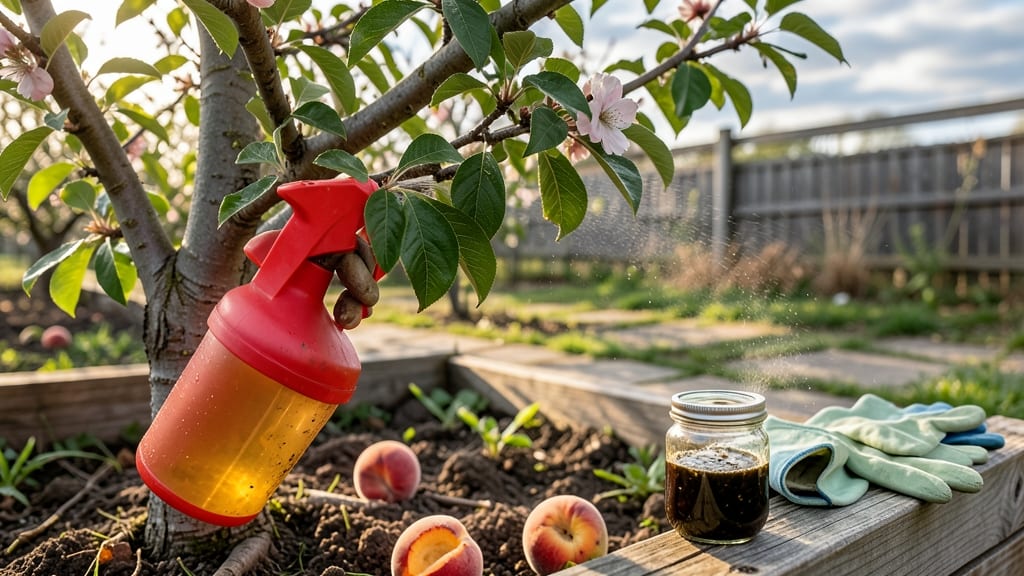
A homemade peach tree spray saves your harvest from leaf curl and aphids without harsh chemicals. 🌱 I’ve battled peach tree blight for years—until I discovered this simple, organic defense that works in under 10 minutes.
The key is mixing the right ingredients at the right time, so your trees stay healthy and productive. This recipe uses neem oil, baking soda, and horticultural soap—all garden staples you likely already have.
The spray targets fungal diseases like peach leaf curl and pests like aphids, while being safe for bees and beneficial insects when applied correctly. Just 1-2 applications per season can make the difference between a struggling tree and one loaded with fruit.
You’ll notice fewer brown, curled leaves by spring and stronger growth by summer. The spray also prevents bacterial spot, a common peach tree killer, without the chemical residue that harms soil and pollinators. Best of all, it costs pennies compared to store-bought fungicides.
Works for young saplings and mature trees alike, and the ingredients last for multiple sprays. Let’s get your peach trees thriving organically—no fancy equipment needed.
📚 In This Guide
- What you need
- Instructions
- Tips and common mistakes
- Wrapping up and next steps
What you need
- ● 1 gallon of water (distilled or boiled & cooled for best results)
- ● 2 tablespoons of baking soda (food-grade, unscented)
- ● 1 tablespoon of vegetable oil (light olive or canola oil works best)
- ● 1 tablespoon of dish soap (mild, like Castile soap—no fragrances!)
- ○ 1 tablespoon of hydrogen peroxide (3%) (optional but boosts antifungal power)
- ○ 1/2 teaspoon of copper fungicide (optional) (for stubborn blight; use only if needed)
- ● 1 tablespoon of neem oil (natural pest repellent)
- ● 1 crushed garlic clove or 1 tsp garlic powder (antibacterial properties)
- ● 1 tablespoon of apple cider vinegar (adds acidity to deter fungi)
- ● Spray bottle or backpack sprayer (1–2 gallon capacity for larger trees)
- ● Mixing container (clean bucket or large bowl)
- ● Wooden spoon or whisk (for stirring)
- ○ Protective gloves (optional but recommended!)
- ● Safety goggles (if spraying near eyes or face)
Step-by-Step instructions for making homemade peach tree spray
Here's the organic method I trust for keeping peach trees healthy without harsh chemicals.
🌿 Step 1: Gather and Mix the Organic Base Ingredients
Combine 1 quart of water with 1 tablespoon baking soda in a clean spray bottle or bucket. The baking soda creates an alkaline environment that peach trees naturally prefer, helping deter fungal spores before they take hold. Stir gently until fully dissolved—no clumps should remain. This solution alone provides mild protection against early blight signs like brown leaf spots.
Add 1 tablespoon vegetable oil to help the solution cling to tree surfaces. Oil acts as a natural emulsifier, allowing the spray to coat leaves and stems more effectively. I like to use a simple kitchen whisk to blend everything thoroughly. This step is critical—uneven mixing means uneven protection, and you'll see inconsistent coverage on leaves.
💧 Step 2: Add Fungal Defense Components
Pour in 1 tablespoon neem oil, known for its antifungal properties that disrupt fungal cell walls. Neem oil also contains natural compounds that repel insects that might carry blight spores. Add 1 teaspoon liquid dish soap (unscented) to act as a surfactant, helping the spray adhere to waxy leaf surfaces. Swirl the mixture gently—too much agitation creates suds that reduce effectiveness.
For extra strength, I often add 1 tablespoon potassium bicarbonate, which enhances the baking soda's antifungal action. This combination creates a broad-spectrum defense against common peach tree diseases. The solution should have a slightly cloudy appearance but remain free of clumps. If you see separation, give it one more thorough stir before proceeding.
✂️ Step 3: Apply at the Right Time and Conditions
Spray the mixture onto peach trees during the early morning or late afternoon when temperatures are below 85°F. Direct sunlight can cause the solution to evaporate too quickly, reducing coverage. Focus on the upper and lower leaf surfaces, as fungal spores often hide underneath leaves. Apply until leaves are uniformly damp but not dripping—this ensures even protection without promoting fungal growth from excess moisture.
Reapply every 7-10 days or after heavy rains, which can wash away the protective layer. I always spray before symptoms appear—once brown spots develop, the spray becomes less effective. This preventative approach saves trees from severe blight outbreaks that can kill branches or even the entire tree. The key is consistency; sporadic applications won't provide reliable defense.
🌱 Step 4: Maintain Tree Health Between Sprays
Remove any infected leaves or fruit you notice immediately after spraying. Place them in a sealed bag and dispose of them far from your garden to prevent spore spread. Prune out any crossed or rubbing branches, as these create wounds where fungal infections can enter. Thin the tree's canopy slightly to improve air circulation—this reduces humidity around leaves, making it harder for spores to thrive.
Water trees at the base rather than overhead to keep foliage dry. Wet leaves for extended periods create ideal conditions for fungal growth. I also recommend applying a 2-inch layer of organic mulch around the tree's base to maintain even soil moisture and suppress weed competition. This holistic approach works best when combined with regular spraying—neither method alone provides complete protection.
Tips & tricks for perfect homemade tree spray
These simple yet powerful tricks will help you maximize the effectiveness of your homemade peach tree spray—because even the best organic solution needs the right approach to work its magic.
Mixing Precision: When combining the 1 quart of water and 1 tablespoon baking soda in Step 1, use a clean whisk to eliminate all clumps—even microscopic ones. I learned this the hard way after seeing uneven coverage on leaves. For extra assurance, strain the mixture through a fine-mesh sieve before adding other ingredients. This ensures the baking soda fully dissolves and creates an even alkaline base that peach trees thrive in.
Oil Emulsification: The 1 tablespoon vegetable oil in Step 1 is your secret weapon for adhesion, but it needs proper incorporation. After whisking the baking soda solution, pour the oil in slowly while continuously stirring—this prevents it from floating on top. A few seconds of extra mixing here makes all the difference in how well the spray clings to leaves. Think of it as giving your spray a "sticky" quality that keeps it where it needs to be.
Temperature Timing: The 85°F temperature limit in Step 3 isn't arbitrary—it's about evaporation rates. If you spray when temperatures exceed this threshold, the solution dries too quickly, leaving leaves vulnerable. I've found that early morning applications (before 9 AM) or late afternoon (after 4 PM) give the spray enough time to fully adhere before the heat of the day sets in. This simple timing adjustment can double your spray's effectiveness.
Application Technique: When spraying in Step 3, work in sections—start at the tree's outer branches and move inward. This prevents you from missing spots while the solution is still fresh. I also recommend using a fine-mist setting on your sprayer to ensure even coverage on both leaf surfaces. The goal is to create a uniform protective layer without creating puddles that could encourage fungal growth from excess moisture.
Pro Tips for Homemade Peach Tree Spray
- These simple yet powerful tricks will help you maximize the effectiveness of your homemade peach tree spray—because even the best organic solution needs the right approach to work its magic.
- Mixing Precision: When combining the 1 quart of water and 1 tablespoon baking soda in Step 1, use a clean whisk to eliminate all clumps—even microscopic ones.
- Oil Emulsification: The 1 tablespoon vegetable oil in Step 1 is your secret weapon for adhesion, but it needs proper incorporation.
Frequently asked questions
Can I use this homemade spray on all fruit trees?
While this recipe is great for peach trees, it’s best to stick to stone fruits (peaches, plums, cherries) or apples for organic blight prevention. Avoid citrus or tropical trees—citric acid or oils in the mix could cause leaf burn. For other trees, adjust ratios (e.g., more baking soda for powdery mildew). Always spot-test a small branch first!
How often should I spray my peach tree?
For preventive care, spray every 7–14 days during bloom season and fruit set (spring to early summer). If you see brown spots or fungal growth, spray immediately and repeat every 5–7 days until symptoms fade. Pro tip: Early morning or late evening applications work best to avoid sunburning leaves.
What’s a good alternative if I don’t have baking soda?
If baking soda’s unavailable, try these DIY swaps for fungal defense:
- Neem oil (1 tbsp per quart of water) – repels pests + fights blight
- Hydrogen peroxide (3%) (1 tbsp per gallon) – disinfects leaves
- Milk spray (1 part milk to 9 parts water) – boosts plant immunity (test for effectiveness first!)
Will this spray harm bees or beneficial insects?
This recipe is bee-friendly if applied after sunset or before dawn when pollinators are inactive. Avoid spraying directly on blooms—focus on leaves and trunk. For extra safety, skip spraying during active bloom periods (when bees are most active). Beneficial insects like ladybugs and lacewings are generally unaffected, but always monitor your garden’s ecosystem.
My peach tree still has brown spots—what now?
If spots persist, you may need a two-pronged attack:
- Prune infected branches (sterilize shears with rubbing alcohol) to stop spread.
- Boost tree health with compost or organic fertilizer (weak trees attract pests!).
- Try copper fungicide (organic option) as a last resort—follow package instructions.
Wrapping up and next steps
Creating your own homemade peach tree spray is a simple, cost-effective way to protect your trees from blight and pests while keeping your garden truly organic. With just a few natural ingredients—like neem oil, baking soda, and dish soap—you can craft an effective, eco-friendly solution in minutes.
Your peach trees will thank you with healthier foliage and sweeter fruit! 🌱
Ready to take action? Grab your spray bottle and give your trees the care they deserve—your future harvests will be worth the effort! 🍑✨