
Pruning
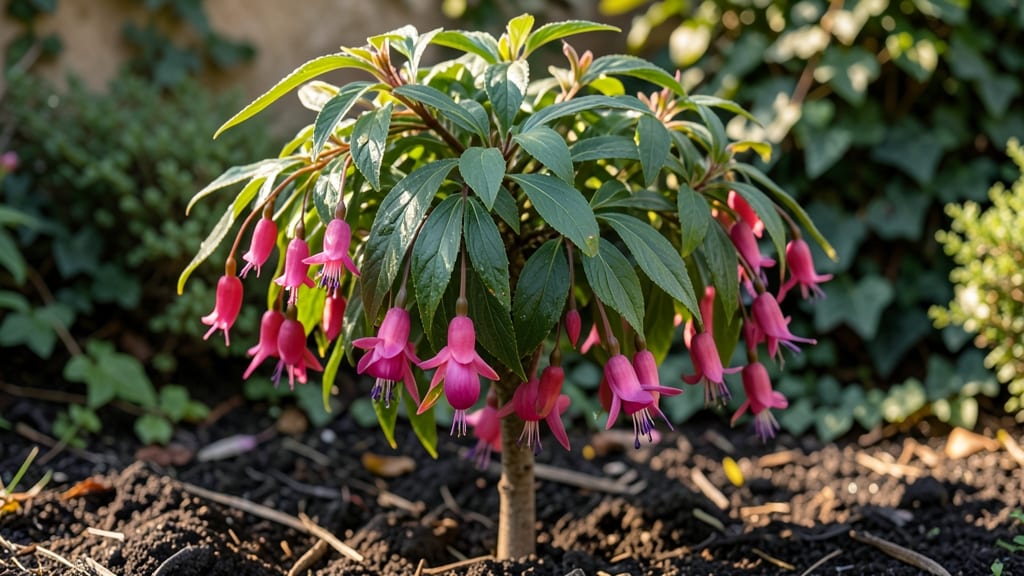
Caring for a fuchsia tree means never having to say goodbye to those dangling blooms. 🌸 The secret to keeping yours lush and productive year-round starts with understanding its unique growth habits—it’s not your typical shrub, and treating it like one will leave you with sparse branches and few flowers.
These tropical beauties thrive on morning sun and afternoon shade, whether indoors near a bright window or outdoors under filtered light. Overwatering is their biggest enemy—let the top inch of soil dry out between waterings, and always use well-draining soil.
I’ve killed three fuchsias this way (yes, I’m learning), and now I swear by a moisture meter to avoid soggy roots.
Pruning isn’t just for shaping—it’s how you encourage nonstop blooms. Cut back leggy stems in early spring and again after each flush of flowers. Feed lightly with a balanced fertilizer every 4-6 weeks during growing season, and watch those cascading blossoms multiply.
The payoff? A plant that looks like it belongs in a conservatory, not just your backyard.
Indoor growers, take note: dust those leaves regularly and increase humidity with a pebble tray. Outdoor plants in colder zones need winter protection—bring potted fuchsias inside or wrap them in burlap. With these adjustments, your fuchsia will reward you with months of color, not just a fleeting summer show.
📚 In This Guide
- What you need
- Instructions
- Tips and common mistakes
- Wrapping up and next steps
What you need
- ● Pruning shears: Bypass pruners (sharp, clean, and sterilized with rubbing alcohol) for clean cuts.
- ● Hand pruners: Small, ergonomic for delicate trimming (e.g., Felco or Fiskars).
- ● Loppers: For thicker branches (10–12" cutting capacity).
- ● Disinfectant: 70% isopropyl alcohol or bleach solution (1 part bleach to 9 parts water) to prevent disease spread.
- ● Garden gloves: Cut-resistant (e.g., nitrile-coated) to protect hands.
- ○ Pruning sealant: Optional but helpful for large cuts (e.g., Tanglefoot Tree Wound Pruning Sealer).
- ● Bucket or bag: For collecting clippings (5-gallon capacity recommended).
- ● Ladder or step stool: Sturdy and tall enough to reach branches safely (4–6 ft height).
- ● Sharpie or marker: For labeling (if grafting or propagating cuttings).
- ● Extension pole saw: For high branches (e.g., Fiskars X27).
- ● Pruning saw: For thick, woody stems (bow or pruning saw with fine teeth).
- ● Plant food: Balanced fertilizer (e.g., 20-20-20) post-pruning for recovery.
- ● Mulch: Organic mulch (2–3 inches) to retain moisture and protect roots.
- ● Camera or phone: To document progress before/after pruning!
Step-by-Step pruning guide for fuchsia trees
Here’s how to keep your fuchsia tree thriving with seasonal pruning—no green thumb required.
✂️ Step 1: Prune for Shape in Late Winter
Wait until after the last frost when new growth is just starting to appear. I like to prune in late February or early March—this is when fuchsias naturally slow down, making it easier to reshape without stressing the plant. Grab your sharp pruning shears and cut back one-third of the oldest growth from each branch, always cutting just above a leaf node or bud.
This step encourages fresh, vigorous growth from the base. Look for branches that cross or rub against each other—remove those first, as they compete for nutrients and can create wounds where pests love to hide. If your fuchsia looks leggy, trim the tallest stems back by half to promote bushier growth. You’ll see new leaves emerging within 2-3 weeks—that’s your signal it’s recovering well.
🌿 Step 2: Encourage Blooms in Early Spring
Once the weather warms to above 50°F consistently, it’s time to focus on blooms. Fuchsias flower best on new wood, so I trim back any dead or weak stems completely to the base. For healthy branches, pinch back the tips of the newest growth by about ¼ inch—this tricks the plant into branching out instead of growing tall and sparse.
Here’s the thing—fuchsias bloom on the current year’s growth, so avoid heavy pruning now. Instead, lightly shape the plant by trimming just above a set of leaves where you want new growth to sprout. You’ll notice tiny buds forming along these new stems in 4-6 weeks, signaling your pruning is working. If you see any stems growing inward, snip them off immediately to keep airflow circulating.
☀️ Step 3: Light Maintenance During Summer
Summer is all about light pruning—just enough to keep your fuchsia looking tidy without stressing it. Remove any spent blooms by cutting the stem back to the nearest leaf node. This isn’t just for looks; it redirects the plant’s energy into producing more flowers instead of seed pods. I also check for any branches that are growing too long or flopping over—trim those back by one-third to maintain a balanced shape.
Watch for any yellowing or diseased leaves and prune those off right away. Fuchsias are sensitive to fungal issues, so always sterilize your shears with rubbing alcohol between cuts. If your plant looks crowded, thin out a few of the innermost branches to improve airflow. You’ll see a surge in new blooms within 2-3 weeks of this light maintenance.
⏰ Step 4: Prepare for Winter Dormancy in Fall
As temperatures drop below 60°F consistently, your fuchsia will start slowing down. This is the time to do a final light pruning—cut back any dead or dying stems completely, and trim back any leggy growth by about 20%. The goal here is to clean up the plant without encouraging new growth that might not survive winter.
I like to prune in October or early November, just before the first frost. After pruning, move your fuchsia to a sheltered spot if you’re in a cold climate—even though many fuchsias are hardy to USDA Zone 8, a little protection goes a long way. You won’t see much growth now, but this step sets the stage for a strong rebound in spring. Mulch around the base with 2-3 inches of organic mulch to insulate the roots.
Tips & tricks for perfect fuchsia tree pruning
These simple strategies will help you keep your fuchsia thriving year after year without the guesswork.
Timing is Everything: The late February to early March window for Step 1 is critical because it aligns with the plant's natural dormancy period. If you prune too early, you risk encouraging new growth that could be damaged by late frosts. I've learned this the hard way—after pruning too soon one year, my fuchsia struggled to recover until spring. Wait until you see those first tiny green buds peeking through, and you'll know it's time.
Tool Prep Makes All the Difference: Before you start, sterilize your pruning shears with rubbing alcohol—this prevents spreading fungal diseases between cuts. I also recommend using sharp shears because dull blades crush stems instead of making clean cuts. For Step 3's light maintenance, I keep a small bottle of rubbing alcohol and my shears in a spray bottle for quick sterilization between cuts. This simple habit has kept my plants healthier for years.
Visual Cues for Perfect Cuts: When cutting in Step 1, look for the small bump where leaves attach—the leaf node. This is where new growth will emerge. Make your cut just above this bump at a slight angle to prevent water from pooling on the cut surface. For Step 2, when pinching back new growth, aim for that ¼-inch mark—it's about the width of your pinky finger. These precise cuts encourage bushier growth and more blooms.
Seasonal Adjustments: In colder climates (below USDA Zone 8), extend your fall pruning to early November and consider wrapping the plant in burlap for extra protection. I've seen fuchsias survive winter with just 2-3 inches of organic mulch around the base, but in Zone 7 or colder, that extra insulation makes all the difference. The mulch helps regulate soil temperature and retain moisture during winter's dry spells.
Pro Tips for Fuchsia Tree Care
- These simple strategies will help you keep your fuchsia thriving year after year without the guesswork.
- Timing is Everything: The late February to early March window for Step 1 is critical because it aligns with the plant's natural dormancy period.
- Tool Prep Makes All the Difference: Before you start, sterilize your pruning shears with rubbing alcohol—this prevents spreading fungal diseases between cuts.
Frequently asked questions
Got questions about keeping your fuchsia tree thriving?
Here are answers to the most common concerns—from pruning tips to troubleshooting—so you can enjoy vibrant blooms all year round.
When is the best time to prune a fuchsia tree for maximum blooms?
Prune your fuchsia tree twice a year: late winter/early spring (before new growth starts) to shape it and remove dead wood, and after flowering (late summer/early fall) to encourage next year’s blooms. Avoid pruning in fall if frost is expected—tender new growth can be damaged.
How do I protect my fuchsia tree in winter?
Fuchsias are tender perennials in cold climates (below 20°F/-7°C). For outdoor plants, mulch the base with straw or leaves, wrap the trunk in burlap, and move pots indoors or to a sheltered spot. If you must overwinter indoors, reduce watering and provide bright, indirect light to prevent leggy growth.
Why are my fuchsia leaves turning yellow or dropping?
Yellow leaves or leaf drop usually signal overwatering, underwatering, or pests. Check soil moisture—fuchsias prefer consistently moist but well-draining soil. Inspect for aphids, spider mites, or whiteflies on undersides of leaves. Treat with neem oil or insecticidal soap if needed.
Can I grow fuchsias in containers, and what’s the best soil mix?
Yes! Fuchsias thrive in containers with fast-draining soil. Use a mix of 50% peat or coco coir, 30% perlite/pumice, and 20% compost. Add a layer of gravel at the bottom to prevent root rot. Repot every 1–2 years and choose pots with drainage holes.
How do I encourage more flowers on my fuchsia tree?
For bushier, bloom-heavy growth, pinch back tips of new shoots when they’re 4–6 inches tall. Feed with a balanced fertilizer (10-10-10) every 4–6 weeks during growing season, and deadhead spent blooms regularly. Place in bright, indirect light—direct sun can scorch leaves.
What’s a good alternative if my fuchsia tree isn’t thriving?
If your fuchsia struggles with your climate or care routine, try similar low-maintenance plants like:
- Bougainvillea (drought-tolerant, vibrant blooms)
- Hibiscus (hardier, tropical vibes)
- Impatiens (shade-loving, continuous flowers)
- Coleus (colorful foliage, easy to grow)
Wrapping up and next steps
Caring for your fuchsia tree is all about patience and precision—especially when it comes to pruning! 🌸 With the right tools, timing, and techniques, you’ll enjoy a burst of vibrant blooms year after year.
Remember, regular maintenance keeps your tree healthy, encourages new growth, and ensures those stunning flowers steal the show.
Ready to take the next step? Grab your pruners and schedule your first pruning session—whether it’s shaping for winter dormancy or encouraging spring blooms. Your fuchsia will thank you with gorgeous, lush growth that turns heads (and maybe even a few compliments)! 🌿✨