
Pruning
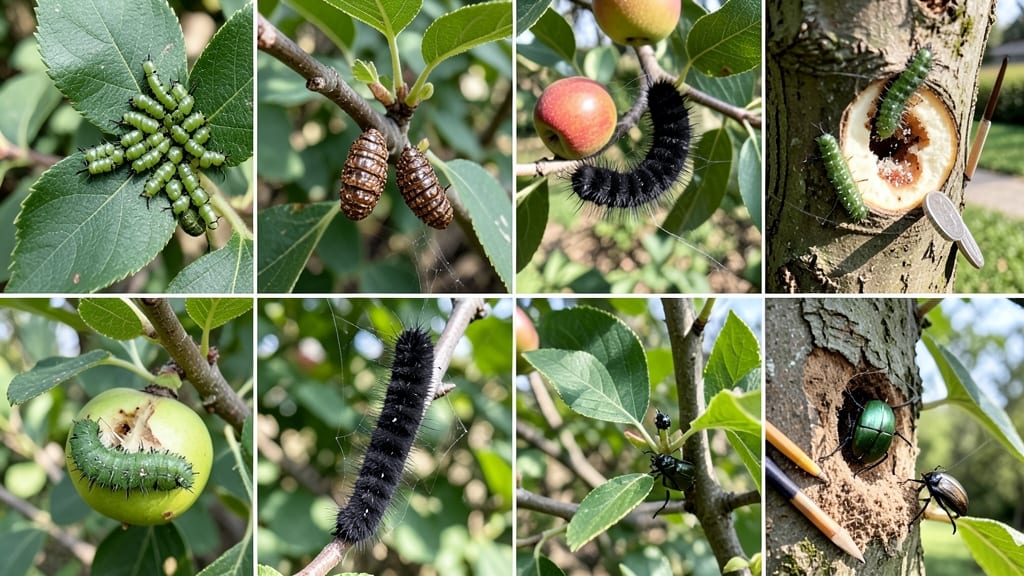
Spotting fruit tree pests identification early can save your harvest—and I've learned that the sooner you identify them, the easier they are to control. 🌿 Tiny holes in leaves, sticky residue on branches, or wilting fruit are all red flags that something's wrong, and knowing what to look for makes all the difference.
Aphids, borers, mites, and fruit flies each leave distinct clues: aphids cluster on new growth and leave behind a shiny honeydew, while borers tunnel under bark, creating sawdust-like frass. Mites cause stippling on leaves, and fruit flies lay eggs inside ripening fruit, leading to rot.
The key is examining leaves, bark, and fruit closely—sometimes with a magnifying glass—to catch these pests before they spread. Once you recognize the damage patterns, you'll know whether to prune affected branches, apply targeted sprays, or introduce beneficial insects.
Early action means healthier trees and a better harvest by season's end. Let’s break down what to watch for and how to act fast. Start by checking the undersides of leaves, where many pests hide, and inspect bark for signs of tunneling or webbing.
Note the size and shape of damage—aphids are tiny green or black insects, while borers leave irregular holes and frass piles. Mites are so small they often go unnoticed until leaves start yellowing or developing fine webbing.
Seasonal timing matters too: aphids and mites thrive in warm weather, while borers are most active in late spring and early summer. By learning these patterns, you’ll spot problems before they escalate—and that’s when control is easiest. A little attention now saves a lot of heartache later.
📚 In This Guide
- What you need
- Instructions
- Tips and common mistakes
- Wrapping up and next steps
What you need
- ● Hand lens (magnifying glass) – 10x magnification for close-up inspection of tiny pests or damage.
- ● Field guidebook or smartphone app – For cross-referencing pests (e.g., iNaturalist or BugGuide).
- ● Notebook & pen – To log pest sightings, locations, and damage details.
- ● Gloves (nitrile or cotton) – 1 pair to protect hands from sap, bites, or irritants.
- ● Pruning shears or small knife – For safely cutting branches to inspect hidden pests.
- ● Clear plastic bags or containers – 2-3 small bags to collect samples for closer study.
- ● Spray bottle with water – For rinsing off pests or debris from leaves/bark.
- ● Digital camera – Capture high-res images of pests/damage for later review.
- ● UV flashlight – Reveals hidden insect activity (e.g., aphids, mites) under blacklight.
- ● Pest traps (sticky cards) – 1-2 traps to monitor specific pests like fruit flies.
- ● Soap spray (mild) – For a quick, non-toxic test to confirm pest presence (e.g., mites).
- ● Ruler or measuring tape – To document pest size or damage scale.
How to spot and identify common fruit tree pests visually
Here's how I quickly recognize pests before they become a full-blown problem—no microscope needed.
🐛 Step 1: Inspect Leaves for Chewing Damage and Holes
Start by examining the upper and lower surfaces of leaves with a 10x magnifying glass. Look for irregular holes, jagged edges, or skeletonized patterns where only veins remain. These are classic signs of caterpillars, sawfly larvae, or leaf miners. I focus on new growth first—pests target tender leaves.
If you see tiny black or brown specks on the leaf surface, those are often frass (insect droppings). Aphids leave sticky honeydew instead, which attracts sooty mold. Run your finger along the leaf edge—if it feels rough or has tiny serrations, you're dealing with leaf-cutting ants or beetle larvae.
🌿 Step 2: Check Stems and Trunk for Boring Signs
Run your hands along branches and the main trunk, feeling for small holes or sawdust-like frass. Wood-boring beetles like emerald ash borers or bark beetles create these entry points. Tap branches firmly—if you hear a hollow sound, the pest has already hollowed out the interior.
Look for tiny, crescent-shaped exit holes (about 1/8 inch wide) on the bark. These are a dead giveaway for bark beetles. I always check the sunniest side of the trunk first—pests prefer warmer bark where they can thrive. If you see sap oozing from cracks, that's another sign of infestation.
🍎 Step 3: Examine Fruit for Surface Damage and Eggs
Pick up a few pieces of fruit and look for tiny, round eggs (usually 1/16 inch diameter) laid in clusters. Codling moth eggs are pale yellow, while plum curculio eggs are more translucent. I check the calyx end (where the stem attaches) first—this is where most fruit pests lay their eggs.
Look for small, shallow depressions or dimples in the fruit skin. These are feeding marks from plum curculio or apple maggot larvae. If the fruit has a "stung" appearance with tiny puncture holes, that's often apple scab or fungal infection—but if you see tiny black dots around the holes, it's likely a pest.
🐝 Step 4: Monitor for Webbing and Silken Tents
Shake branches gently over a white sheet of paper. If you see tiny, pale green or yellow larvae drop to the ground, you're dealing with tent caterpillars or gypsy moth caterpillars. These pests create silken tents or webs between branches—look for these grayish strands connecting limbs.
Scale insects leave behind a waxy, cottony residue on branches. If you see these white, fluffy patches, scrape them gently with your fingernail. Scale insects will cling to the bark like tiny brown bumps. I always check the undersides of branches first—they're a favorite hiding spot.
⏰ Step 5: Time Your Inspections for Peak Activity
Pests are most active during early morning or late afternoon when temperatures are mild. That's when you'll spot adult beetles, wasps, or flies near the tree. I carry a small flashlight to inspect the tree's lower branches—many pests hide there to avoid predators.
Check your tree every 7-10 days during peak pest seasons (spring and early summer). Keep a simple log of what you see—note the location, type of damage, and any eggs or larvae. This helps track whether the pest population is growing or responding to treatments.
Tips & tricks for fruit tree pest identification
Real talk: Spotting pests early saves your fruit harvest—and your sanity. Here's how to sharpen your eye for those sneaky invaders hiding in plain sight.
Lighting is Key: Early morning or late afternoon is prime time for inspections because that's when pests are most active. The soft light reveals subtle details like tiny eggs or silken webbing that disappear under harsh midday sun. I always bring a small flashlight to check lower branches where pests hide from predators. This is especially true for scale insects and bark beetles that prefer shaded areas.
Use the Right Tools: A 10x magnifying glass isn't just helpful—it's essential. Without it, you might miss the 1/16-inch codling moth eggs or the 1/8-inch bark beetle exit holes. I keep mine attached to a lanyard so it's always handy during inspections. For fruit damage, a white sheet of paper makes it easier to spot larvae when you shake branches—tiny pale green caterpillars stand out against the white background.
Check the Right Places: Don't just look at the obvious spots. Pests have favorite hiding places: the undersides of leaves (where aphids cluster), the calyx end of fruit (where most eggs are laid), and the sunniest side of the trunk (where bark beetles thrive). I make it a habit to turn leaves over and examine every nook—especially where branches meet the trunk. This is where scale insects often go undetected for months.
Document Your Findings: Keep a simple log of what you see and where. Note the type of damage, any eggs or larvae found, and the location on the tree. This helps track whether the pest population is growing or responding to treatments. I use a small notebook with sketches of damage patterns—sometimes a picture is worth a thousand words when trying to identify what's attacking your tree. This record becomes invaluable when consulting with garden centers or extension services.
Pro Tips for Fruit Tree Pests Identification
- Real talk: Spotting pests early saves your fruit harvest—and your sanity.
- Lighting is Key: Early morning or late afternoon is prime time for inspections because that's when pests are most active.
- Use the Right Tools: A 10x magnifying glass isn't just helpful—it's essential.
Frequently asked questions
Got questions about spotting and stopping fruit tree pests? You’re not alone! Here are answers to the most common concerns—so you can act fast and protect your harvest.
How do I tell if my fruit tree has pests vs. disease?
Pests like aphids or borers leave visible damage (chewed leaves, holes, sawdust-like frass). Diseases often cause discoloration (spots, mold) or unusual growths (fungus, cankers). Check for moving insects or egg masses—if you see critters, it’s pests!
When is the best time to check for pests on fruit trees?
Start inspections in early spring (bud break) and repeat every 2–4 weeks during growing season. Focus on new growth, undersides of leaves, and fruit clusters. Evening checks work best—pests hide in shade!
What’s a natural way to control pests without chemicals?
Try these DIY solutions:
- Neem oil spray (deters aphids, mites)
- Soap spray (1 tbsp mild soap + 1L water)
- Beneficial insects (ladybugs, lacewings)
- Prune & remove heavily infested branches
For severe cases, horticultural oil in dormant season works too.
Will pests ruin my fruit if I don’t act now?
It depends! Soft-bodied pests (aphids, caterpillars) can defoliate trees quickly, but borers or scale may take months to show damage. Act within 1–2 weeks of spotting signs—early intervention (pruning, sprays) saves 80%+ of fruit!
How can I use my phone to ID pests accurately?
Download apps like PictureThis or PlantVillage—upload close-up photos of damage + pests (include size references like a coin). For tricky IDs, check local extension office guides or post to gardening forums with your location.
Wrapping up and next steps
Identifying fruit tree pests early can save your harvest—and your sanity! 🌱 By mastering visual cues like chewed leaves, sticky sap, or unusual holes, you’ve already taken the first step toward a thriving orchard.
Remember: action beats hesitation—whether it’s natural remedies, targeted sprays, or calling in the pros.
Ready to protect your trees? Start with one variety this season, monitor weekly, and build your pest-fighting confidence. Your future fruit (and happy trees!) will thank you. 🍎✨