
Pruning
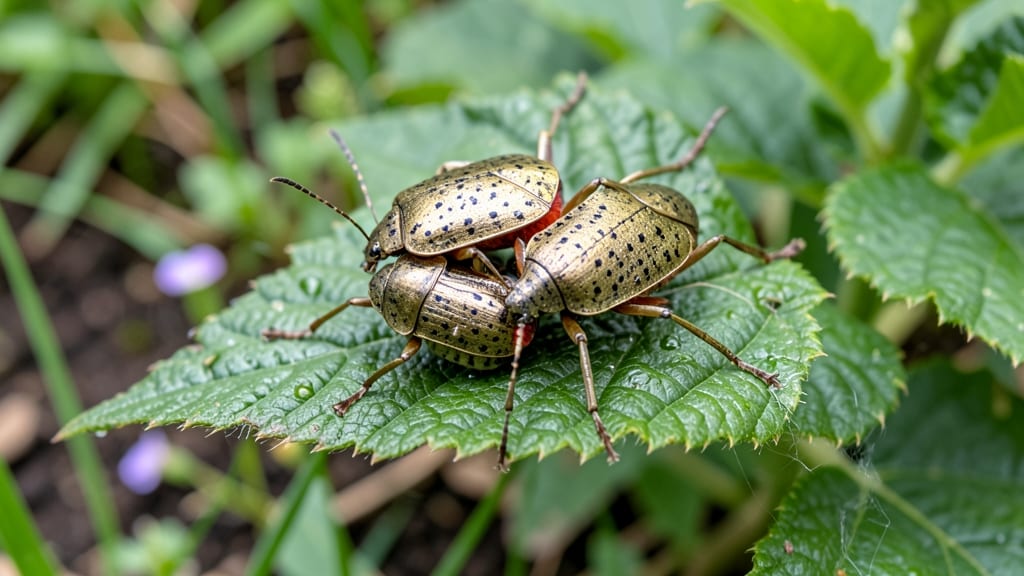
"Elderberry tree bugs can turn your harvest into a battleground. 🌿 I’ve watched aphids, borers, and spider mites strip leaves and fruit—but there are organic ways to fight back without harming your tree’s future harvest.
The key is early action, the right tools, and knowing which pests to watch for most closely in spring and summer.
Most damage starts small: curled leaves, sticky residue, or tiny holes. Aphids cluster on new growth, borers tunnel beneath bark, and spider mites weave webs on undersides.
The good news? Pruning weak branches in late winter removes hiding spots, while neem oil or insecticidal soap tackle soft-bodied pests like aphids without poisoning fruit.
By mid-summer, your tree should look healthier—thicker leaves, fewer pests, and more berries. The secret is consistency: check weekly, act fast, and use beneficial insects (like ladybugs) as your first line of defense. No harsh chemicals needed—just smart, seasonal care.
Works for any elderberry variety, from Saskatoon to Black Diamond. Here’s how to keep your tree thriving—and your harvest intact—year after year.
Root Causes of Elderberry Pests
Understanding why bugs target your elderberry tree starts with recognizing that these plants are nature’s all-you-can-eat buffet for insects. Their lush foliage, sweet nectar, and nutrient-rich sap make them irresistible. Below, we break down the key reasons these critters show up—and how their behavior ties to your tree’s health.
Elderberry trees under stress (from drought, poor soil, or overwatering) produce weaker defenses and sweeter sap—like a neon "Eat Me" sign for pests.
Common stressors include: - Nutrient deficiencies (especially nitrogen or potassium), which weaken leaves and make them easier targets for aphids and mites. - Root damage from compacted soil or fungal infections, disrupting the tree’s ability to fend off invaders. - Excess moisture in the soil, creating ideal conditions for slugs, beetles, and fungal-feeding insects.
Actionable fix: Test your soil’s pH and nutrient levels (aim for 6.0–7.0 pH) and mulch around the base to stabilize moisture.
Elderberries are naturally high in sugars, making them a magnet for:
- Aphids (greenfly, blackfly) – They pierce leaves to drink sap, leaving sticky honeydew that attracts ants and sooty mold.
- Scale insects – These armored pests suck fluids from branches, causing stunted growth and yellowing leaves.
- Japanese beetles – They skeletonize leaves (eating only the soft tissue) and thrive on elderberry’s floral nectar.
Why it happens: The tree’s phloem sap (the plant’s "bloodstream") is rich in sugars, and pests evolve to exploit this. Overripe fruit or flowers signal "peak nutrition" to insects.
Actionable fix: Prune overly dense foliage to improve airflow and reduce hiding spots. Consider reflective mulch (like aluminum foil) to disorient flying pests.
Elderberry trees left unpruned or with decaying wood become breeding grounds for:
- Elderberry borers – Larvae tunnel into weak or wounded wood, disrupting nutrient flow.
- Spider mites – They thrive in dusty, low-light conditions (common in thick canopies).
- Whiteflies – These tiny moth-like insects cluster on the undersides of leaves, feeding in colonies.
Why it happens: Dead branches, fallen fruit, and dense growth create microclimates where pests can hide, reproduce, and spread undetected.
Actionable fix: Prune in late winter to remove dead wood and thin the canopy by 20–30% for better sunlight penetration.
Elderberry trees stand out when planted alone in monocultures, making them easier targets. Without natural predators or deterrents nearby, bugs move in.
For example: - Lack of pollinator-friendly flowers (like lavender or marigolds) reduces beneficial wasps and ladybugs that prey on pests. - No ground cover (like clover or thyme) disrupts the life cycles of soil-dwelling beetles and slugs.
Why it happens: A diverse garden ecosystem naturally balances pest populations. Elderberries in isolation become low-hanging fruit (literally).
Actionable fix: Plant repellent herbs (mint, rosemary) nearby or introduce beneficial nematodes to target soil pests.
Pests don’t just show up randomly—they time their attacks based on temperature and humidity:
- Spring warmth (50–70°F) triggers aphid and scale outbreaks as trees flush new growth.
- Summer drought stresses trees, making them more vulnerable to borers and mites.
- Fall humidity creates ideal conditions for fungal-feeding insects like sawflies.
Why it happens: Insects have specific temperature thresholds for reproduction. Elderberries’ long growing season provides a multi-month buffet.
Actionable fix: Monitor degree-day accumulations (a tool gardeners use to predict pest outbreaks) and apply neem oil sprays during peak risk periods (early spring and late summer).
If your elderberry tree was previously treated with synthetic pesticides, it may now be more susceptible to pests due to:
- Disrupted natural defenses – Chemicals kill beneficial insects (like predatory mites) first, leaving pests unchecked.
- Pest resistance – Over time, bugs evolve to resist sprays, making them hardier and more aggressive.
Why it happens: Pesticides create a false sense of security—they mask problems without fixing the root cause (poor tree health or ecosystem balance).
Actionable fix: Switch to organic sprays (like insecticidal soap or kaolin clay) and avoid broad-spectrum chemicals. Focus on preventive care (mulching, pruning, companion planting).
Elderberry bugs aren’t just random visitors—they’re responding to cues your tree is sending. By addressing stress, sweetness, hygiene, and ecosystem balance, you can make your tree less appealing to pests without resorting to harsh chemicals. Think of it as pest-proofing your elderberry’s "reputation" in the garden!
Practical Fixes for Tree Pests
Elderberry trees are resilient, but pests like aphids, Japanese beetles, or spider mites can still wreak havoc if left unchecked. The good news? You can tackle these issues organically, without sacrificing your tree’s health or future fruit production.
Below, we’ve mapped out targeted solutions for common elderberry tree bugs, along with preventive steps to keep your tree thriving.
Cause: These sap-sucking insects cluster on new growth, leaves, and buds, causing curling, yellowing, and stunted fruit development.
Fix:
- 🔥 Blast Them Off: Use a strong stream of water (from a hose) to dislodge aphids from leaves and stems. Repeat every 3–4 days for severe infestations.
- 🍳 Homemade Soap Spray: Mix 1 tbsp mild liquid soap (like Castile) + 1 quart water in a spray bottle. Apply in the early morning to avoid harming beneficial insects. Reapply after rain.
- 👨🍳 Introduce Predators: Ladybugs and lacewings love aphids. Purchase or attract them by planting dill, fennel, or yarrow nearby.
💡 Prevention Tip:
- Prune regularly to improve airflow and reduce aphid hiding spots.
- Avoid over-fertilizing with nitrogen—aphids thrive on soft, new growth.
Cause: These metallic-green beetles skeletonize leaves by eating the soft tissue, leaving only veins. They also damage fruit.
Fix:
- 🔪 Handpick & Drop: Fill a bucket with soapy water and shake beetles off branches into it. Do this early in the day when they’re sluggish.
- 🥘 Neem Oil Spray: Mix 1 tbsp neem oil + 1 tsp mild soap + 1 quart water. Spray evenly on both leaf sides (avoid flowers to protect pollinators). Reapply every 5–7 days.
- 🌡️ Trap with Milky Spore: Apply milky spore bacteria to the soil—it targets Japanese beetle grubs before they emerge.
💡 Prevention Tip:
- Plant trap crops like roses or grapes nearby to lure beetles away from your elderberries.
- Water deeply in the morning to encourage beetles to hide in cooler soil.
Cause: These microscopic pests thrive in dry, hot conditions, sucking plant juices and weaving fine webs. Infested leaves turn yellow or bronze.
Fix:
- 🍳 Oil Spray: Combine 1 tbsp horticultural oil + 1 tsp soap + 1 quart water. Spray thoroughly, including undersides of leaves. Repeat every 5–7 days.
- 🌧️ Increase Humidity: Spider mites hate moisture. Mist leaves daily or use a hose to rinse them off during dry spells.
- 🎯 Release Predatory Mites: Phytoseiulus persimilis mites eat spider mites—order them online or from garden centers.
💡 Prevention Tip:
- Mulch heavily to retain soil moisture and deter mites.
- Avoid broad-spectrum pesticides—they kill beneficial insects that keep mites in check.
Cause: Borers tunnel into stems and branches, weakening the tree, while sawfly larvae skeletonize leaves.
Fix:
- 🔪 Prune & Burn: Cut out infested branches (up to 6 inches below damage) and burn or bag them (do not compost).
- 🥘 Diatomaceous Earth: Sprinkle food-grade DE around the tree base and on leaves. It dehydrates borers and larvae (reapply after rain).
- 🌡️ Beneficial Nematodes: Apply Heterorhabditis bacteriophora nematodes to the soil—they seek out and kill borer larvae.
💡 Prevention Tip:
- Inspect trees annually for sawdust-like frass (borer droppings) or newly chewed leaves.
- Keep the area weed-free—weeds harbor borer eggs.
No matter the pest, these proactive steps will strengthen your elderberry tree’s defenses:
| Action | How to Do It | Best Time |
|---|---|---|
| 🌿 Mulch Properly | Apply 3–4 inches of organic mulch (wood chips, straw) around the base. | Early spring or fall |
| 💧 Water Deeply | Water slowly at the roots (1–2 inches per week). Avoid wetting foliage. | Early morning |
| 🍃 Companion Planting | Grow garlic, chives, or marigolds nearby—they repel many pests. | Plant in early spring |
| 🔍 Regular Scouting | Check undersides of leaves and new growth weekly for early signs. | Every 7–10 days |
✨ Final Pro Tip: Healthy trees resist pests better! Ensure your elderberry gets balanced fertilization (too much nitrogen = more pest problems) and proper pruning to encourage strong, disease-resistant growth.
With these targeted, chemical-free methods, your elderberry tree will stay bug-resistant, fruitful, and flourishing for years to come!
Frequently asked questions
What are the most common bugs that attack elderberry trees?
The top culprits are aphids (tiny green/black sap-suckers), Japanese beetles (metallic green leaf-chewers), spider mites (web-weaving microscopic pests), and borers (larvae that tunnel into branches). Elderberry trees also attract scale insects and whiteflies, especially in humid conditions.
Can I use neem oil on elderberry trees with fruit?
Yes, but with caution! Neem oil is safe for elderberries when applied early in the morning and avoiding flowers (to protect pollinators). It won’t harm the fruit itself, but always test a small branch first. For heavy infestations, reapply every 5–7 days until pests disappear.
How do I tell if my elderberry tree has borers?
Look for D-shaped exit holes in branches, sawdust-like frass (borer droppings) near the base, or wilted leaves despite adequate water. Tap branches—hollow sounds indicate tunneling. Act fast: prune infested branches 6 inches below damage and treat with beneficial nematodes.
Will companion planting really keep bugs away?
Plant garlic, chives, or marigolds nearby to repel pests naturally. These act as trap crops or deter insects with their strong scents. For extra protection, add dill or fennel to attract ladybugs and lacewings—both are aphid predators.
Is it too late to treat my elderberry tree in late summer?
Not at all! Focus on spider mites and borers, which thrive in late summer heat. Use horticultural oil sprays for mites and beneficial nematodes for borers. Prune any damaged branches now to prevent winter dieback. Early fall is also a great time to mulch heavily to protect roots.