
Blooming
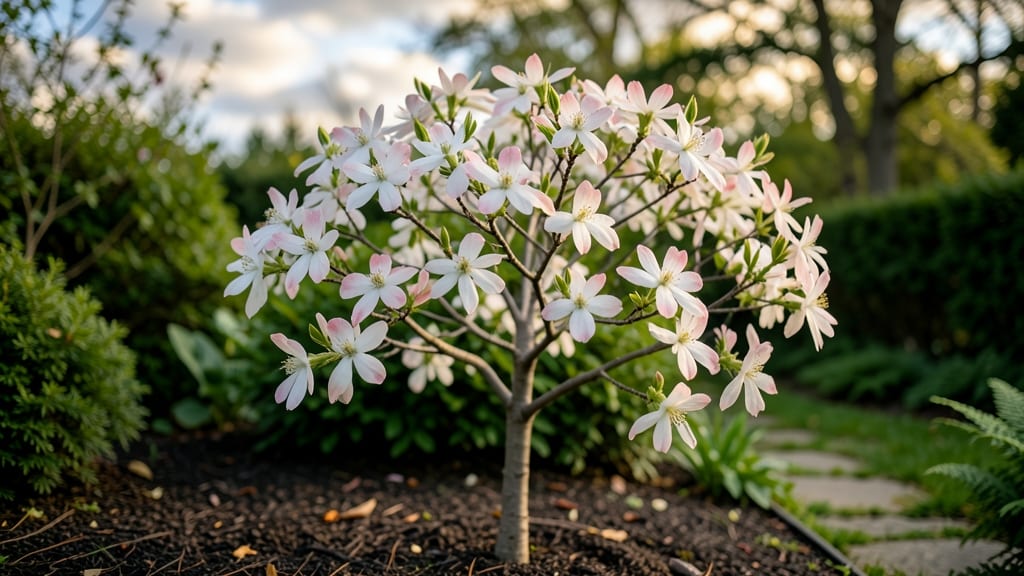
Dogwood trees bloom in spring, with their exact season depending on your USDA zone and the variety you’ve planted 🌳.
If you’ve ever wondered why your neighbor’s dogwood is bursting with color while yours hasn’t even budded, the answer likely lies in your local climate and the specific cultivar.
Some varieties, like ‘Florida Pink,’ kick off their show as early as late March in warmer zones, while others in colder regions wait until May. Even a few degrees can shift the timeline by weeks.
Understanding your zone’s typical blooming window isn’t just about admiring the flowers—it’s also key to planning your garden’s seasonal highlights. A late-blooming dogwood can extend your spring color display, while an early variety might pair perfectly with tulips or daffodils.
Below, we’ll break down the exact months for each zone and share tips to encourage longer or earlier blooms.
From pruning strategies to soil prep, you’ll learn how to give your dogwood the best shot at a showstopping season. Whether you’re a first-time grower or a seasoned gardener, these insights will help you time your expectations—and your garden plans—just right.
Exact dogwood tree blooming months by USDA zone (with visual guide)
Dogwood trees (Cornus florida) are famous for their stunning spring blooms, but their exact timing depends heavily on your USDA hardiness zone. In colder zones like Zone 3, blooms may appear as early as late April, while warmer Zone 9 gardeners often enjoy flowers by February.
Understanding these patterns helps you plan your garden’s seasonal highlights and even choose varieties that bloom at different times for extended color.
Most dogwoods bloom for 2-4 weeks, but early or late varieties can stretch this window. For example, ‘Cherokee Brave’ (a popular cultivar) typically blooms 1-2 weeks earlier than standard types.
Your zone also affects whether you’ll see fall blooms—a rare but magical trait in some varieties like Cornus kousa.
Below is a color-coded blooming timeline for each USDA zone, including early, mid, and late-season varieties. This visual guide helps you predict when to expect those iconic 4-inch white or pink flowers and plan companion plants for maximum impact.
If you live in Zone 6 or warmer, you might notice some dogwoods blooming as early as February, especially if you’ve planted early-season cultivars like ‘Cherokee Chief’ or ‘Rubra.’ These varieties are bred to push blooming timelines, giving you a head start on spring color.
In contrast, Zone 3 gardeners should expect blooms to arrive closer to late April, often coinciding with the first warm spells.
For gardeners in Zones 5-7, the transition from winter to spring is the most critical period. Dogwoods typically bloom after the last frost, so monitoring your local frost dates can help you predict timing.
For example, in Zone 6, where I garden, my ‘Florida Pink’ dogwood usually bursts into bloom by mid-March, just as daffodils start to fade.
One of the most exciting trends in modern dogwood cultivation is the rise of fall-blooming varieties. While traditional dogwoods focus on spring, species like Cornus kousa (Kousa dogwood) offer a second show in September or October. These varieties are perfect
How to extend your dogwood’s blooming season naturally (pro tips)
Want your dogwood tree to burst into bloom earlier or keep its flowers on display longer? The secret lies in understanding its natural rhythms and giving it the right care at the right time.
Unlike many trees, dogwoods are sensitive to pruning timing, soil conditions, and even watering schedules—all of which can shift their blooming window by weeks. Let’s dive into proven strategies to make your tree the star of spring (or even early summer!).
First, recognize that dogwoods bloom on old wood, meaning last year’s growth produces this year’s flowers. This means aggressive pruning at the wrong time can reduce or eliminate blooms entirely. Instead, focus on light pruning after blooming to shape your tree without sacrificing next year’s show.
Pair this with soil amendments and consistent moisture, and you’ll see a noticeable difference in both timing and abundance.
🌱 Top 5 Ways to Extend Your Dogwood’s Blooms
- 📅 Prune in late summer (August-September) to avoid cutting flower buds that form on last year’s wood.
- 💧 Water deeply weekly during dry spells—dogwoods need consistent moisture to set buds early.
- 🌿 Add organic mulch (2-3 inches) around the base to retain moisture and regulate soil temperature.
- 🌱 Fertilize in early spring (March) with a balanced 10-10-10 fertilizer to boost energy for bud formation.
- ☀️ Provide morning sun and afternoon shade—too much heat can stress the tree and shorten bloom time.
One of the biggest mistakes gardeners make is pruning in late winter or early spring, right before blooming season. This cuts off the flower buds that formed the previous summer, leaving your tree with sparse or no blooms.
Instead, wait until late summer (August-September) to prune for shaping. This timing ensures you’re only removing dead or crossing branches without touching next year’s flowers.
Another game-changer is soil pH and fertility. Dogwoods thrive in slightly acidic soil (pH 5.0-6.0). If your soil is too alkaline, the tree struggles to absorb nutrients, weakening its ability to produce vibrant blooms.
Test your soil in early spring and amend with peat moss or sulfur if needed. Pair this with a light spring feeding of compost or a balanced fertilizer to give your tree the energy it needs for early bud set.
Don’t overlook the power of mulching. A 2-3 inch layer of organic mulch (like shredded bark or pine needles) around the base of your dogwood helps retain moisture and regulate soil temperature.
This is especially critical in hot, dry zones (7-9), where soil can dry out quickly. Mulch also suppresses weeds, reducing competition for nutrients that could delay blooming.
Finally, watch for stress signs like yellowing leaves or stunted growth—these often mean your dogwood isn’t getting enough water or nutrients. Adjust your care routine by increasing watering frequency during heatwaves or adding a slow-release fertilizer in early summer to support late-season blooms.
With these tweaks, your dogwood could bloom 2-3 weeks earlier or stay in full bloom for weeks longer than average.