
Pruning
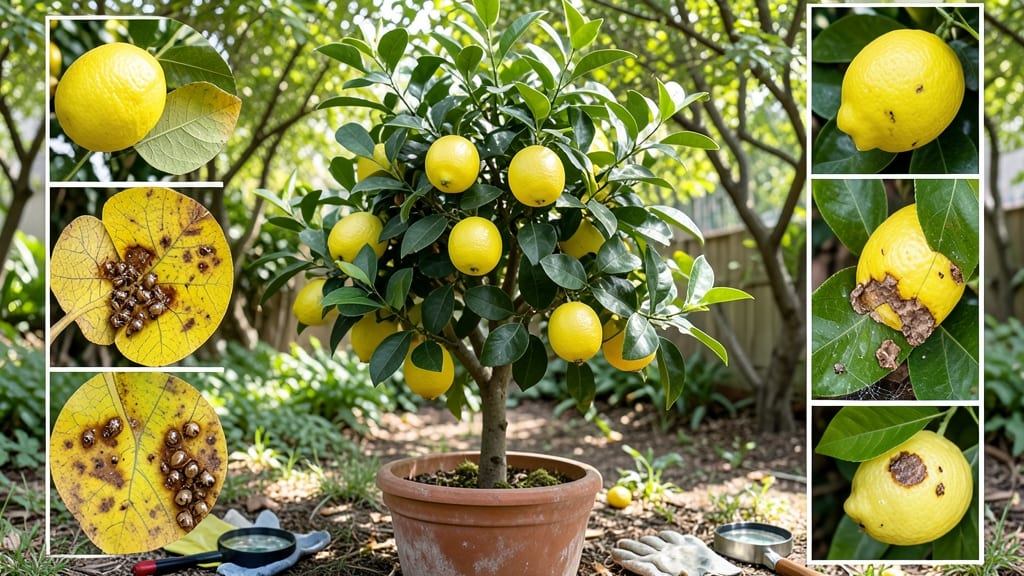
Your citrus tree’s yellowing leaves and fruit drop might be screaming for help—before it's too late. 🌿 I've nursed back more citrus tree issues than I'd like to admit, and the fixes start with understanding what's really wrong: is it overwatering, nutrient deficiency, or something sneaky like citrus greening disease?
The key is acting fast, because once the roots rot or pests take hold, recovery gets a whole lot harder.
Most problems boil down to three things: water, soil, and pests. Overwatering drowns roots, while underwatering stresses the tree into dropping fruit. Soil that's too alkaline locks out nutrients like iron and zinc, turning leaves yellow between the veins.
And don't even get me started on aphids and scale—they suck the sap right out of your tree's veins. The good news? Each of these has a targeted fix, from adjusting your watering schedule to a simple spray of neem oil.
By the time you're done, your tree will be back to its vibrant green self, with fruit clinging to the branches instead of littering the ground. The best part? These fixes work year-round, so you can tackle issues as soon as you spot them.
We'll cover the most common problems, how to diagnose them, and the step-by-step solutions that actually work—no guesswork, no wasted time on the wrong treatments.
Whether you're dealing with a young tree or a mature citrus that's seen better days, these solutions scale to your situation. The key is catching problems early, so let's get your tree back to producing healthy leaves and sweet fruit—without the panic of watching it decline.
Here's how to turn things around before it's too late.
📚 In This Guide
- What you need
- Instructions
- Tips and common mistakes
- Wrapping up and next steps
What you need
- ● Pruning shears: Bypass pruners (sharp, clean, and sterilized with rubbing alcohol to prevent disease spread). Quantity: 1 pair.
- ● Gloves: Heavy-duty, chemical-resistant gloves (to protect against thorns and pesticides). Quantity: 1 pair.
- ● Fertilizer: Citrus-specific fertilizer: Balanced NPK (e.g., 6-6-6 or 8-3-9) with micronutrients like zinc, iron, and manganese. Quantity: 1 lb per 100 sq ft of root zone.
- ○ Slow-release granules: Optional but ideal for steady nutrient delivery. Quantity: Follow package instructions.
- ● pH testing kit: Digital or liquid test kit to check soil pH (ideal range: 6.0–7.0 for citrus). Quantity: 1 kit.
- ● Mulch: Organic mulch (e.g., pine bark, straw, or wood chips) to retain moisture and regulate temperature. Quantity: 2–3 inches, spread in a 2–3 ft radius around the tree.
- ● Watering can or hose: With a soaker hose attachment for deep, slow watering. Quantity: 1.
- ● Fungicide: Copper-based or systemic fungicide (e.g., Neem oil or Myclobutanil) for fungal issues like melanose or anthracnose. Quantity: As directed on label.
- ● Insecticide: Horticultural oil or systemic insecticide (e.g., Imidacloprid) for pests like aphids, scale, or spider mites. Quantity: Follow label rates.
- ○ Pruning sealant: (Optional but helpful) Tree wound paint or pruning paste to seal large cuts and prevent disease entry. Quantity: Small jar.
- ● Hand lens/magnifier: For inspecting leaves, bark, or pests up close. Quantity: 1.
- ● Soil moisture meter: To monitor water levels accurately. Quantity: 1.
- ● Citrus leaf analysis kit: For advanced nutrient deficiency testing (e.g., chlorosis diagnosis). Quantity: 1.
- ● Support stakes or tree ties: If your tree needs structural support (e.g., after pruning or storm damage). Quantity: As needed.
- ● Drip irrigation kit: For automated, efficient watering (great for large citrus groves). Quantity: 1 kit.
How to diagnose and fix common citrus tree problems
Citrus trees are tough but need consistent care—here’s how to spot issues early and keep them thriving.
🌿 Step 1: Identify the Problem with Leaf and Fruit Signs
Start by examining the leaves and fruit closely. Yellowing leaves often signal nutrient deficiencies or pests, while fruit drop usually means stress from watering, temperature swings, or improper sunlight. Check the undersides of leaves for tiny webs or sap-sucking insects—common culprits like spider mites or scale leave behind sticky residue.
If leaves are yellow with green veins, it’s likely iron chlorosis (common in alkaline soil). Brown, crispy edges suggest underwatering or over-fertilizing. Take notes on which parts of the tree show symptoms—new growth, older leaves, or fruit—to narrow down the issue.
💧 Step 2: Adjust Watering for Root Health
Citrus trees hate soggy roots but also suffer from drought stress. Water deeply once a week in summer (or every 5-7 days) until water runs out the drainage holes—1-2 gallons per foot of tree height. In winter, reduce to every 10-14 days unless your soil drains poorly.
Use your finger to check soil moisture: if the top 2 inches feel dry, it’s time to water. Overwatering causes root rot, while underwatering leads to leaf drop and poor fruit set. Mulch with 2-3 inches of organic mulch (like wood chips) to retain moisture and regulate soil temperature.
☀️ Step 3: Optimize Light and Temperature Conditions
Citrus trees need full sun (6+ hours daily) but struggle in extreme heat or cold. If leaves scorch in summer, provide afternoon shade with a light shade cloth (30-50%). In winter, protect from frost by moving potted trees indoors or wrapping the trunk with burlap or frost cloth when temps drop below 30°F.
Yellowing leaves in winter often mean the tree’s too cold—citrus thrive in 65-85°F ranges. If your tree is indoors, place it near a south-facing window or under grow lights (12-14 hours/day) to prevent leggy growth. Avoid drafts from AC vents or heaters.
✂️ Step 4: Fertilize and Prune for Seasonal Balance
Feed your citrus tree every 4-6 weeks in spring/summer with a balanced citrus fertilizer (6-6-6 or 8-3-9 ratio). In fall/winter, switch to a low-nitrogen formula (like 3-1-2) to encourage flowering. Over-fertilizing burns roots and causes leaf drop—always water before and after applying fertilizer.
Prune in late winter to remove dead, crossing, or crowded branches. Cut just above a leaf node at a 45-degree angle to encourage new growth. Avoid heavy pruning in summer, as it stresses the tree and reduces fruit set. Thin out overcrowded fruit clusters to 6-8 inches apart—this improves size and quality.
🛡️ Step 5: Treat Pests and Diseases Proactively
Spray leaves with neem oil (1 tsp per quart of water) every 2 weeks during pest season to deter spider mites, aphids, and scale. For fungal issues (like citrus canker), apply a copper fungicide in early spring before new growth starts. Always spray in the early morning to avoid burning leaves.
If you see white, cottony growth on branches, it’s mealybugs—wipe them off with a soapy water cloth and repeat weekly. For ants (which farm pests), use diatomaceous earth around the tree base. Healthy trees resist pests better, so focus on consistent watering, sunlight, and fertilization first.
Tips & tricks for keeping citrus trees thriving year-round
These practical tips will help you diagnose issues faster and keep your citrus trees healthy without the guesswork.
Diagnosis Made Easy: When you notice yellowing leaves in Step 1, compare the pattern: if the veins stay green while leaves yellow, it's iron chlorosis (common in alkaline soil). If the entire leaf yellows, it's likely overwatering or nutrient deficiency. I keep a small notebook by my trees to track when symptoms appear—it helps pinpoint the exact cause over time.
Watering Wisdom: The "finger test" in Step 2 is your best friend. Stick your finger 2 inches into the soil—if it feels dry, water deeply until it runs out the drainage holes. I've ruined trees by overwatering, so I always check twice. In summer, I water every 5-7 days, but I cut back to every 10-14 days in winter unless my soil drains poorly. Mulching with 2-3 inches of wood chips helps maintain consistent moisture.
Light and Temperature Hacks: For indoor citrus trees, I've found that placing them near a south-facing window with grow lights (12-14 hours/day) prevents leggy growth. The 30°F frost protection tip in Step 3 is critical—I've lost trees by ignoring this. When temps drop, I move potted trees indoors or wrap trunks with burlap. For outdoor trees, a light shade cloth (30-50%) in summer prevents leaf scorch while still allowing sunlight.
Fertilizer Timing: The 4-6 week feeding schedule in Step 4 works, but I've learned to adjust based on growth. If new leaves look pale, it's time for another feeding. Always water before and after applying fertilizer—this prevents root burn. In winter, I switch to a low-nitrogen formula (3-1-2) to encourage flowering, which has dramatically improved my fruit set.
Pro Tips for Citrus Tree Issues
- These practical tips will help you diagnose issues faster and keep your citrus trees healthy without the guesswork.
- Diagnosis Made Easy: When you notice yellowing leaves in Step 1, compare the pattern: if the veins stay green while leaves yellow, it's iron chlorosis (common in alkaline soil).
- Watering Wisdom: The "finger test" in Step 2 is your best friend.
Frequently asked questions
Got questions about keeping your citrus tree thriving? Here are some of the most common concerns—and quick fixes—to keep your tree healthy and productive year-round.
Why are my citrus leaves turning yellow?
Yellowing leaves (chlorosis) usually signal iron deficiency or overwatering. Test soil pH—citrus prefers 6.0–7.0. If acidic, amend with lime. For overwatering, let soil dry between waterings and improve drainage with organic matter.
When should I prune my citrus tree?
Prune in late winter or early spring (before new growth) to avoid frost damage. Never prune in summer—it stresses the tree and attracts pests. Focus on removing dead, crossing, or overcrowded branches while maintaining an open canopy for airflow.
My citrus fruit is dropping—what’s wrong?
Fruit drop happens due to overwatering, nutrient deficiencies, or temperature shocks. Check soil moisture (keep it consistently moist but not soggy). Apply a balanced citrus fertilizer (e.g., 6-6-6) in spring and fall. Protect from freezing temps with frost cloth if needed.
Can I grow citrus indoors? What are the best alternatives?
Citrus can thrive indoors (e.g., dwarf Meyer lemon or Calamondin orange), but they need 6+ hours of sunlight daily and high humidity. For low-light spaces, try citrus hybrids like 'Improved Meyer Lemon' or opt for hardier indoor plants like jasmine or schefflera.
How do I get rid of pests like aphids or citrus leaf miners?
Start with a water blast to dislodge soft-bodied pests (aphids, scale). For leaf miners, apply neem oil or insecticidal soap every 7–10 days. Prevent future infestations by pruning for airflow and using reflective mulch to deter flying pests.
| Issue | Quick Fix | When to Act |
|---|---|---|
| Yellow leaves | Adjust pH + check watering | Spring/Fall |
| Fruit drop | Fertilize + monitor moisture | Year-round (adjust seasonally) |
| Pests | Neem oil or prune for airflow | At first sign of infestation |
Wrapping up and next steps
Citrus trees are resilient, but even the hardiest can face challenges like yellowing leaves or fruit drop—often from neglect, pests, or environmental stress. The good news?
With the right tools, knowledge, and a little TLC, you can restore your tree’s health and enjoy bountiful harvests year-round. Start small: prune wisely, monitor for pests, and adjust care based on seasonal needs.
Don’t let setbacks discourage you—every expert was once a beginner! 🌱 Take action today: grab your pruners, check those leaves, and give your citrus tree the attention it deserves. Ready to dive deeper? Explore our seasonal citrus care guide for step-by-step solutions tailored to your climate.