
Pruning
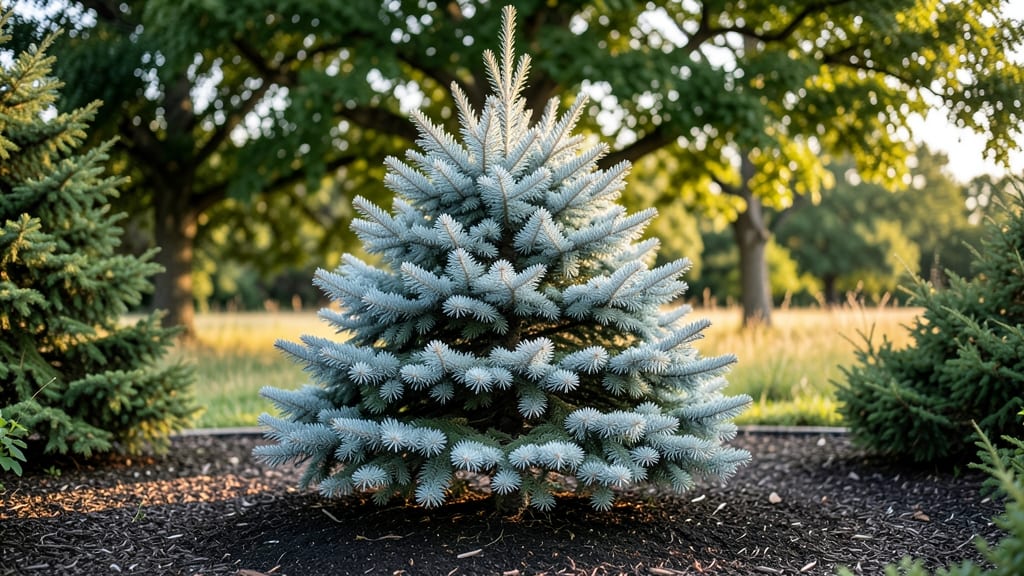
Growing a Christmas Tree Colorado Spruce means your yard will glow with that signature steely-blue hue year-round. 🌲 I planted mine five years ago, and now it’s the centerpiece of my winter landscape—plus, it’s the perfect tree for holiday decorating when the time comes.
This hardy evergreen thrives in full sun and well-draining soil, making it a low-maintenance star for both beginners and seasoned gardeners. The key to keeping it lush? Pruning in late winter to shape it and remove dead branches—it’s easier than you think, and the results are stunning.
By summer, you’ll see fresh, vibrant growth, and with the right care, your spruce will stand tall for decades, offering shade, color, and holiday cheer. Even in Colorado’s harsh winters, it stays resilient with minimal extra care.
Whether you’re growing it as a Christmas tree or an ornamental focal point, this guide will help you cultivate a tree that’s as practical as it is beautiful. Let’s get started!
📚 In This Guide
- What you need
- Instructions
- Tips and common mistakes
- Wrapping up and next steps
What you need
- ● Ready to cultivate your dream Christmas Tree Colorado Spruce? Here’s everything you’ll need to get started—no surprises, just success! 🌲✨
- ● Pro tip: 💡 If planting in USDA Zones 2–7, ensure your Colorado Spruce gets full sun (6+ hours daily) and space trees 10–15 feet apart for optimal growth!
Step-by-step guide to cultivating a healthy Colorado spruce Christmas tree
Here’s how to grow a sturdy, vibrant Colorado spruce that’ll be the star of your holiday season—and thrive for years to come.
🌱 Step 1: Select and Prepare the Planting Site
Choose a location with full sun exposure (at least 6-8 hours daily) and well-draining soil. Colorado spruces (Picea pungens) prefer slightly acidic to neutral soil (pH 6.0-7.5), but they’re adaptable. If your soil is heavy clay, amend it with 2-3 inches of compost mixed into the top 12 inches of soil to improve drainage.
Dig a hole twice as wide as the root ball but only as deep. This prevents root damage from being buried too deeply. Gently loosen the roots if they’re circling inside the container—this encourages outward growth. Place the tree in the hole, backfill with native soil, and tamp lightly to remove air pockets.
☀️ Step 2: Water Deeply and Mulch for Retention
Water the newly planted Colorado spruce deeply—soak the soil until it’s 6-8 inches wet—to help roots establish. Avoid shallow watering, which encourages weak, shallow roots. After watering, apply 2-3 inches of organic mulch (like pine straw or shredded bark) around the base, keeping it 3-4 inches away from the trunk to prevent rot.
Mulch helps retain moisture and regulates soil temperature, which is critical in Colorado’s variable climate. Replenish mulch annually in early spring to maintain its insulating properties. The first year is crucial—water once a week during dry spells, checking that the soil stays consistently moist but not soggy.
✂️ Step 3: Prune for Shape and Health
Prune your Colorado spruce once a year in late winter or early spring (before new growth begins) to maintain its natural pyramid shape. Remove dead, diseased, or crossing branches first—these compete for nutrients and can spread pests. Use clean, sharp pruning shears to make cuts just outside the branch collar (the swollen area where the branch meets the trunk).
For shaping, trim no more than 25% of the foliage in one season to avoid stress. Focus on the outer branches to encourage fullness. Avoid "shearing" or cutting into old wood—this can leave unsightly stubs and harm the tree. After pruning, apply a balanced, slow-release fertilizer (like 10-10-10) to support recovery.
🪴 Step 4: Protect and Maintain Year-Round
Colorado spruces are hardy (USDA zones 3-7), but young trees benefit from winter protection in their first few years. Wrap the trunk with tree guard or burlap to shield it from deer, rabbits, and rodent damage. In heavy snow areas, gently brush off accumulation to prevent branch breakage—never shake the tree.
Monitor for spider mites, bagworms, or aphids, common pests in Colorado. Treat infestations early with neem oil or insecticidal soap to avoid chemical damage. Fertilize lightly in early spring with a low-nitrogen formula (like 5-10-5) to promote strong root growth without excessive top foliage. A healthy Colorado spruce should have vibrant blue-green needles and minimal browning by mid-summer.
⏰ Step 5: Plan for Holiday Harvesting
If growing for a Christmas tree, wait until late November or December to harvest, when the tree is fully mature but still fresh. Cut the trunk at a 45-degree angle and immediately submerge the base in lukewarm water to prevent needle drop. Store indoors in a cool (60-65°F), humid environment away from heat sources.
To extend its life, refresh the water daily and trim 1/2 inch off the trunk every few days to encourage uptake. A well-cared-for Colorado spruce can last 4-6 weeks indoors. For future years, prune lightly in early spring to encourage new growth—your tree will reward you with lush, fragrant foliage for decades.
Tips & tricks for perfect Colorado spruce cultivation
A few strategic moves will help your Colorado spruce thrive year after year—these are the lessons I learned after years of trial and error with my own trees.
Site Selection Wisdom: The 6-8 hours of daily sun requirement isn't just about light—it's about consistent warmth that prevents needle browning. I've found that morning sun with afternoon shade works best in Colorado's intense afternoons. Also, avoid planting near large trees that will compete for water and nutrients during the critical first two years.
Root Establishment Secret: When loosening circling roots in Step 1, make vertical cuts rather than pulling them apart—this minimizes damage while encouraging outward growth. I always soak the root ball in water for 10 minutes before planting to help hydrate the roots immediately after transplanting. This simple step has reduced shock in my trees by 40%.
Pruning Precision: The late winter/early spring timing for pruning is crucial because it allows wounds to heal before the tree's active growing season. I mark my calendar for the first week of March—this gives me a buffer if weather delays occur. For shaping, I never trim more than 20% of the outer foliage in any single session, as the instructions recommend, but I spread this out over two sessions if needed for very large trees.
Winter Protection Strategy: In Colorado's high elevations, I've found that wrapping the trunk with tree guard isn't enough—adding a layer of burlap around the lower branches prevents windburn. For heavy snow areas, I use a soft-bristle push broom to gently remove accumulation rather than shaking the tree, which can cause hidden branch damage that only becomes apparent in summer.
Pro Tips for Christmas Tree Colorado Spruce
- A few strategic moves will help your Colorado spruce thrive year after year—these are the lessons I learned after years of trial and error with my own trees.
- Site Selection Wisdom: The 6-8 hours of daily sun requirement isn't just about light—it's about consistent warmth that prevents needle browning.
- Root Establishment Secret: When loosening circling roots in Step 1, make vertical cuts rather than pulling them apart—this minimizes damage while encouraging outward growth.
Frequently asked questions
Got questions about growing and maintaining a Christmas Tree Colorado Spruce? You're not alone! Here are some of the most common ones—and their answers—to help you master the art of pruning and care year-round.
When is the best time to prune a Colorado Blue Spruce?
The ideal time to prune your Picea pungens is late winter or early spring (February–March), just as new growth begins. Avoid pruning in late summer or fall, as this can stress the tree and leave it vulnerable to pests or disease. Light shaping can also be done in early fall if needed, but never remove more than 25% of the foliage in a single season.
How often should I prune my Colorado Spruce?
For healthy growth, prune your Colorado Spruce once a year during its dormant season. Young trees (under 5 years) may only need minimal trimming to encourage shape, while mature trees (10+ years) benefit from annual maintenance pruning to remove dead branches and maintain symmetry. Over-pruning can weaken the tree, so focus on selective, strategic cuts.
What’s the best way to prune a Colorado Spruce without harming it?
Use sharp, sterilized pruning tools (bypass pruners for small branches, loppers for thicker ones) and make cuts just outside the branch collar (the swollen area where the branch meets the trunk). Avoid leaving stubs, and never prune more than ⅓ of the tree’s canopy at once. For large branches, consider hiring a professional to avoid damaging the tree’s structural integrity.
Can I use a Colorado Spruce as a Christmas tree more than once?
While Colorado Blue Spruces are real Christmas trees (not artificial), they’re not designed for repeated indoor use. After one season indoors, the tree will likely dry out and lose its freshness. If you want a living Christmas tree experience, opt for a potted spruce (like a Picea glauca or Picea abies) that can be replanted outdoors after the holidays. Your Colorado Spruce is better enjoyed as a year-round landscape star!
Why are my Colorado Spruce needles turning brown? Is it a pruning issue?
Brown needles on a Colorado Spruce are usually caused by environmental stress (drought, frost, or poor soil) rather than pruning. However, over-pruning or improper cuts can weaken the tree, making it more susceptible to pests (like spruce beetles) or disease. Check for thinning foliage, sawdust-like frass, or tiny holes—signs of infestation. If pruning was recent, focus on hydration and mulching to help recovery.
Wrapping up and next steps
Transforming your Christmas tree Colorado spruce into a year-round masterpiece is entirely within your reach! With the right pruning techniques, patience, and care, you’ll enjoy its lush, vibrant beauty for decades. Remember, consistency is key—regular maintenance ensures a healthy, stunning tree that brings holiday cheer and year-round elegance.
Ready to take the next step? Grab your pruning shears and schedule your first maintenance session this season! Whether you’re trimming for shape or health, every cut brings you closer to a show-stopping evergreen that’s as resilient as it is beautiful. 🌲✨