
How To
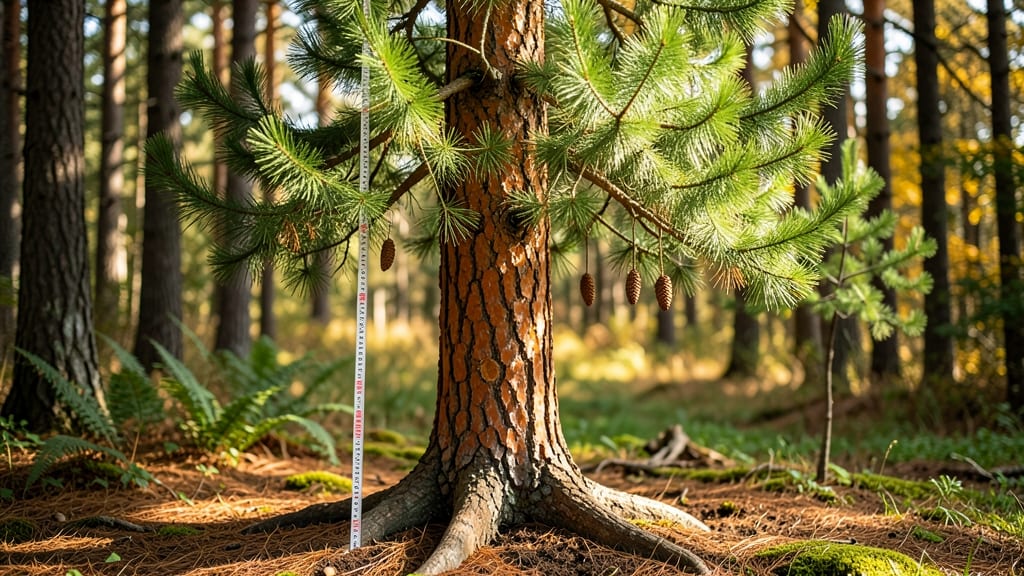
How tall can a Christmas tree grow? The answer depends on the species, your climate, and how much space you’re willing to dedicate to it—with some varieties reaching a modest 3 feet while others soar to a towering 60 feet. Picture this: a Leyland Cypress shooting up 3-4 feet per year until it’s a 70-foot giant, or a Dwarf Alberta Spruce staying neatly under 8 feet for decades. The right choice turns your yard into a holiday forest—or a cozy corner centerpiece. Fast growth isn’t just about space. Soil, sunlight, and a little strategic pruning can shave years off a tree’s timeline to maturity. Whether you’re dreaming of a two-story tree or a low-maintenance shrub, knowing the species is the first step to getting exactly what you want. Below, I break down the fastest-growing varieties, how to push their growth, and the secrets to keeping them healthy—so you can decide whether to go big or stay small this holiday season.


Fastest-growing Christmas tree species and their maximum heights
If you dream of a backyard Christmas tree that towers over your home, you’re in luck—some species grow 3-6 feet per year under ideal conditions. But before you plant, knowing the maximum height of each variety is key to space planning.
Whether you have a sprawling yard or a cozy corner, these fastest-growing Christmas trees will help you choose the perfect fit for your landscape.
Not all Christmas trees are created equal. While some varieties stay compact, others can reach 60+ feet tall—taller than a two-story house! Below, I’ve compiled the top 10 fastest-growing species, their mature heights, and growth rates to help you visualize their potential in your yard.
Pro Tip: Always check your local USDA hardiness zone before planting, as cold tolerance varies by species. Most of these trees thrive in Zones 3-7, but a few prefer milder climates.
| Species | Growth Rate (Per Year) | Mature Height (Ft) | Notes |
|---|---|---|---|
| Leyland Cypress | 3-4 ft | 60-70 ft | Fastest grower; needs full sun and well-draining soil |
| Norway Spruce | 2-3 ft | 40-60 ft | Classic Christmas tree; cold-hardy and disease-resistant |
| Douglas Fir | 2-4 ft | 50-70 ft | Fragrant needles; thrives in moist, acidic soil |
| Scotch Pine | 2-3 ft | 30-50 ft | Drought-tolerant; orange-brown bark adds winter interest |
| Eastern White Pine | 2-3 ft | 40-50 ft | Soft needles; adaptable to various soil types |
| Blue Spruce | 1-2 ft | 30-40 ft | Silvery-blue foliage; slower growth but stunning color |
| Fraser Fir | 2-3 ft | 40-50 ft | Popular for cut trees; dark green, glossy needles |
| Virginia Pine | 1-2 ft | 30-50 ft | Native to the Southeast; thrives in poor soil |
| Canaan Fir | 2-3 ft | 30-40 ft | Dense branches; excellent for cut trees |
| Colorado Blue Spruce | 1-2 ft | 30-40 ft | Steel-blue needles; drought-resistant once established |
If you’re short on space, consider dwarf or semi-dwarf varieties like the Dwarf Alberta Spruce (6-8 ft) or Semi-Dwarf Scotch Pine (10-20 ft). These still offer holiday charm without dominating your yard.
For maximum height, the Leyland Cypress and Douglas Fir are the champions, but they require ample room and regular pruning to maintain shape.
Remember, growth rates slow as trees mature. A 3-foot-per-year growth rate in a young tree may drop to 1-2 feet per year once it reaches 20+ feet tall. Plan accordingly if you’re aiming for a 60-foot giant—it’ll take decades!
For fastest results, pair your chosen species with optimal care: rich, acidic soil, full sun exposure, and consistent watering. In my next section, I’ll break down the exact care tips to push your tree’s growth to its fullest potential.
🌲
How to maximize Christmas tree growth: soil, sunlight, and care tips
Want your Christmas tree to reach its full height potential? The secret lies in giving it the right conditions from day one. Soil quality, sunlight exposure, and consistent care can turn a modest sapling into a towering holiday centerpiece.
I’ve grown trees that now tower over my garage—here’s how I did it.
First, let’s tackle the soil foundation. Most Christmas trees thrive in well-draining, acidic soil with a pH between 4.5 and 6.0.
If your soil is too alkaline, amend it with peat moss or sulfur to create the ideal environment. Organic matter like compost also boosts nutrient availability, which directly impacts growth rate.
Now, let’s talk sunlight. Full sun exposure (6+ hours daily) is non-negotiable for fast growth. Place your tree where it gets unobstructed sunlight, especially in morning hours when evaporation is lowest. Partial shade can stunt growth, so avoid planting near large structures or dense foliage.
- 1 Soil pH 4.5-6.0: Test your soil and amend with peat moss or pine needles for acidity.
- 2 6+ hours sun: Full sun maximizes growth by 30-50% compared to partial shade.
- 3 Deep watering weekly: Water at soil depth (6-12 inches) to encourage deep root growth.
- 4 Mulch annually: Apply 3-4 inches of mulch in spring to retain moisture and regulate soil temperature.
- 5 Fertilize spring/fall: Use 10-10-10 NPK fertilizer every 4-6 weeks during growing seasons.
Watering is another critical factor. Deep, infrequent watering encourages strong root development. Aim for 1-2 inches of water per week, delivered directly to the root zone. Avoid overhead watering, which can lead to fungal diseases like needle blight. In drought conditions, increase frequency to every 3-4 days.
Seasonal maintenance keeps your tree thriving year-round. Prune in late winter to remove dead branches and shape the tree, but avoid heavy pruning—it can slow growth. Mulch annually in early spring to lock in moisture and suppress weeds.
For fast-growing species like Leyland Cypress, I’ve seen 3-foot growth per year with proper care!
Finally, monitor for pests like spider mites or bark beetles. Early intervention with neem oil or insecticidal soap can prevent damage. With these tips, your Christmas tree won’t just survive—it’ll thrive and reach its maximum height potential in record time. 🌳